How to Handicap an MLB Game: A Step-by-Step Baseball Betting Guide

Written by: Eddie Griffin
Last Update: Thu Sep 24, 2026, 11:40 pm ET
Read Time: 17 minutes
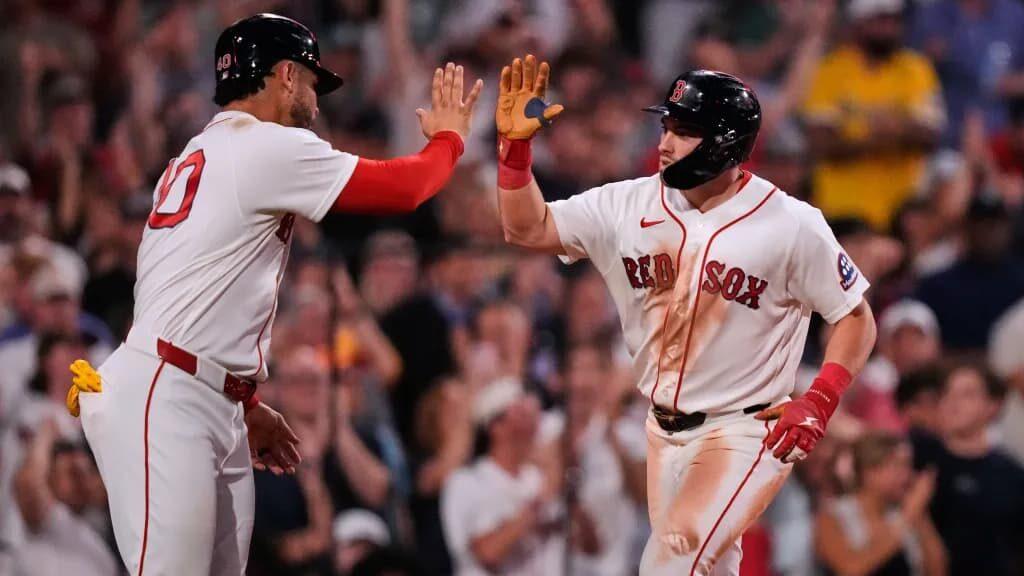
Handicapping an MLB game involves much more than comparing two teams' records or deciding which starting pitcher has the lower ERA. Understanding how to evaluate those factors is an important part of MLB betting.
Every MLB game presents a different combination of starting pitchers, lineups, bullpen availability, ballpark conditions, weather, scheduling circumstances, and betting odds. A team that looks significantly better over a 162-game season may not necessarily have the advantage in a particular matchup.
That daily variation makes baseball both challenging and interesting to handicap, while a busy MLB schedule gives bettors plenty of opportunities to be selective rather than trying to find a wager on every game.
Most importantly, handicapping isn't simply about determining which team you think will win. The objective is to evaluate a matchup, estimate how likely different outcomes are, and compare those expectations with the MLB odds available at sportsbooks.
This guide explains how to handicap an MLB game step by step, which factors deserve the most attention, and how to turn your analysis into a potential bet.
Check Out Our MLB Guides Hub »
- What Does It Mean to Handicap an MLB Game?
- Step-by-Step MLB Handicapping
- Turning Your MLB Handicapping into a Bet
- The Impact of Recent Form on MLB Handicapping
- When to Handicap and Make Your MLB Bets
- MLB Handicapping Checklist
- Common MLB Handicapping Mistakes
- MLB Handicapping Resources
- Conclusion
- FAQ
What Does It Mean to Handicap an MLB Game?
Handicapping an MLB game means analyzing the factors that could influence the matchup and using that information to evaluate the available betting markets.
That process can include researching a variety of factors, including starting pitchers, offenses, confirmed lineups, relevant trends and splits, and ballpark and weather conditions.
However, handicapping isn't simply about identifying the better team or predicting who will win. A favorite can be more likely to win without offering value at its current price, while an underdog can be more likely to lose and still present an attractive wager.
The goal is to determine whether your assessment of a matchup differs enough from the betting market to create potential value.
How to Handicap an MLB Game Step by Step
There is no single formula for handicapping baseball, and different bettors may place more emphasis on certain factors than others.
However, following a consistent process can help you evaluate the most important parts of a matchup without getting distracted by statistics or trends that have little relevance to the game you are considering.
-
Start With the Starting Pitchers
Starting pitching is a logical place to begin because no individual player typically has a greater influence on an MLB game. But don't stop at win-loss record or ERA.
Statistics such as xERA, FIP, WHIP, strikeout rate, walk rate, K-BB%, and contact-quality metrics are among the important baseball stats and metrics for MLB betting that can provide a more complete picture. Look for differences between results and underlying performance, along with meaningful recent changes in velocity, pitch mix, control, health, or workload.
Then evaluate the matchup. Handedness, strikeout tendencies, plate discipline, power, and performance against particular pitch types can all matter when analyzing MLB starting pitching matchups.
Also consider recent pitch counts, innings, health, and any workload restrictions, especially when handicapping MLB pitcher props.
The key question isn't simply which starter is better. It is which pitcher has the advantage in this particular matchup and how significant that advantage may be.
-
Evaluate Both Offenses
After analyzing the starters, evaluate the offenses they will face.
Runs scored and batting average provide some information, but statistics such as OPS, wOBA, wRC+, strikeout rate, walk rate, hard-hit rate, and expected statistics can tell you more about offensive quality and whether recent results are sustainable. Many of the same metrics can help when handicapping MLB hitter props.
Keep the matchup at the center of your analysis. An offense may perform much differently against right-handed and left-handed pitching, while high-strikeout lineups can be particularly vulnerable against elite strikeout pitchers.
Also consider how a team generates offense. Power-heavy lineups, high-contact teams, patient offenses, and teams that create pressure with speed can interact differently with the opposing pitcher and ballpark.
Don't ask only whether an offense has been productive. Ask whether its strengths and weaknesses fit favorably with today's matchup.
-
Check the Starting Lineups
Evaluating a team's overall offense isn't enough if several important hitters aren't playing.
Injuries, rest days, platoons, catcher rotations, and day games after night games can all produce meaningful lineup changes. Projected lineups are useful for early research, but confirmed lineups tell you who will actually play.
One absence may not dramatically change an offense, but several changes can alter its power, contact ability, handedness, and depth. Batting order matters as well because lineup position can affect expected plate appearances and how opposing pitchers navigate the order.
Most importantly, compare the confirmed lineup with the matchup you previously evaluated. If a starting pitcher's perceived advantage depended partly on facing several left-handed hitters, an unexpectedly right-handed-heavy lineup could change your assessment.
-
Analyze the Bullpens
A starting pitching advantage lasts only as long as the starter remains in the game. For full-game bets, bullpen quality and availability can be just as important.
Season-long statistics such as ERA, FIP, strikeout rate, and walk rate provide a starting point, but also check recent usage. A strong bullpen may look much different if its closer and top setup relievers have pitched on consecutive days or were heavily used in an extra-inning game.
Consider how deep each starter is likely to work as well. A starter expected to pitch seven innings limits bullpen exposure, while an early exit can place much more pressure on the relief corps.
Bullpen analysis can also affect your choice of market. If you like the starting pitching matchup but not the bullpen behind that starter, first five innings betting may better isolate the advantage you identified.
-
Consider the Ballpark and Weather
MLB ballparks vary in dimensions, altitude, wall height, foul territory, and other characteristics that can influence run scoring and home runs.
Weather can impact sports betting, and baseball can be particularly sensitive to temperature and wind. Warm conditions and wind blowing out can create a more favorable environment for hitters, while retractable roofs can limit or eliminate weather effects.
These factors may be especially relevant for totals, team totals, home run props, and other markets tied to run production or power.
Treat ballpark and weather conditions as part of the matchup rather than automatic betting signals. A hitter-friendly park doesn't automatically make the over attractive, just as cold weather doesn't automatically make the under worthwhile.
-
Look at Relevant Splits and Matchups
Trends and splits can add useful context when there is a logical baseball reason for them to matter.
Performance against left-handed or right-handed pitching is an obvious example. Hitters and teams can perform differently depending on pitcher handedness, while pitchers may also show meaningful platoon splits.
Pitch-type matchups can add another layer. If a starter relies heavily on a particular fastball, slider, or changeup, consider how the opposing lineup performs against that pitch.
Be careful with small samples. A hitter's limited history against one pitcher or a team's recent record against an opponent may involve too few plate appearances, different lineups, or circumstances that have little relevance today.
Before giving a trend or split significant weight, ask why it should influence this particular game.
-
Account for Scheduling and Situational Factors
MLB teams play almost every day for roughly six months, making rest, travel, and scheduling more relevant than they are in many other sports.
Long road trips, extra-inning games, doubleheaders, day games after night games, and recent travel can affect lineup decisions, bullpen availability, and player rest.
Season stage matters too. Early in the year, starting pitchers may still be building workloads and statistics come from smaller samples. Rosters can change around the trade deadline, while late-season contenders, eliminated teams, and clubs that have already secured playoff positions may have different priorities.
Use these factors to add context rather than as standalone betting systems. Scheduling circumstances can influence a matchup, but they rarely tell you what to bet by themselves.
-
Compare Your Handicap with the Odds
This is where handicapping becomes betting.
You can correctly identify the stronger starting pitcher, offense, or bullpen and still make a poor wager if the available price already accounts for those advantages.
Compare your assessment with what the sportsbook is offering. Has a pitching mismatch already been heavily priced into the moneyline? Does the total reflect the weather and bullpen situation? Would a run line or first five innings wager better fit the advantage you identified?
The same principle applies to moneylines, totals, run lines, first five innings markets, and props. The objective isn't simply to predict what will happen but to determine whether the available odds offer enough potential value to justify a bet.
This is also where line shopping matters. Different sportsbooks may post slightly different numbers or prices on the same market, and those differences directly affect the value of your wager.
A handicap isn't complete until you compare your expectations with the available betting market.
How to Turn Your MLB Handicap into a Bet
One of the most important parts of MLB handicapping is choosing the market that best reflects your analysis.
You don't have to automatically bet a team's full-game moneyline simply because you believe it has an advantage.
Does your primary edge come from the starting pitching matchup but you are concerned about the bullpen? A first five innings bet may better isolate that advantage.
If a favorite has advantages in starting pitching, offense, and bullpen strength but carries an expensive moneyline, the run line may deserve consideration.
If your analysis points toward how the game will be played rather than who will win, over/under betting may be more appropriate. Your strongest edge could also involve an individual matchup, leading you toward one of the many MLB prop bets likely available at your chosen sportsbook.
For example, a starting pitcher facing a lineup with a high strikeout rate could present an appealing strikeout prop play.
Your pregame handicap can also provide a useful foundation for live betting. As the game unfolds, you can compare what you expected before first pitch with what is actually happening and determine whether changing odds create a worthwhile opportunity.
Sometimes your analysis may point toward multiple markets. That doesn't mean you need to bet all of them.
Identify the strongest part of your handicap and determine which wager expresses that opinion most directly at an acceptable price.
How Much Should Recent Form Matter When Handicapping MLB?
Recent performance matters, but baseball's daily schedule can make short-term results appear more meaningful than they actually are.
Rather than asking only what happened recently, investigate why it happened. A hitter producing better results alongside improved hard-hit and barrel rates may have made a meaningful change. A pitcher who has gained velocity, altered his mix of pitches, or improved his strikeout-to-walk numbers may also deserve a different evaluation than his season-long statistics suggest.
Conversely, strong recent results unsupported by underlying performance may be less sustainable.
Sample size remains important. Baseball produces considerable short-term variance, and even excellent players experience slumps while weaker players occasionally put together impressive stretches.
Recent form belongs in your handicap, but it shouldn't automatically outweigh a larger body of evidence without a reason.
When Should You Handicap and Bet an MLB Game?
There is no single best time to place sports bets, and MLB matchups are a good example of why.
Beginning your research early gives you more time to evaluate the game and may allow you to identify favorable opening numbers before the market adjusts. However, starting lineups may not be confirmed, weather forecasts can change, pitchers can be scratched, and other information may emerge later.
Waiting until closer to first pitch provides greater certainty about lineups, weather, and player availability, but a favorable betting number may move while you wait. Understanding line movement can help you put those changes in context rather than assuming every move should alter your handicap.
The best approach depends partly on what your handicap relies upon. If your strongest opinion is based on a pitching matchup and you believe the opening price is significantly off, betting earlier may make sense. If your analysis depends heavily on lineup construction or weather, waiting for additional information may be more valuable.
You don't necessarily have to choose between handicapping early and handicapping late.
Research the game earlier in the day, identify the factors that could change your opinion, and revisit those factors before deciding whether to place the bet.
MLB Handicapping Checklist
A consistent checklist can help you work through a busy MLB schedule without overlooking something important.
| What to Check | Key Question |
| Starting Pitchers | Who has the pitching advantage, and do the underlying numbers support it? |
| Offensive Matchup | How does each offense match up with today's opposing pitcher? |
| Starting Lineups | Are important hitters missing, resting, or moving within the batting order? |
| Bullpen Availability | Which relievers are actually available and rested enough to pitch effectively? |
| Relevant Splits | Which handedness, pitch-type, or other splits have a logical connection to this matchup? |
| Ballpark & Weather | Could the park, temperature, wind, or other conditions materially affect the game? |
| Situational Factors | Are travel, rest, scheduling, workload, or season stage relevant? |
| Betting Market | Which available wager best reflects the advantage you've identified? |
| Odds | Is your perceived advantage already reflected in the price? |
| Sportsbooks | Can you find a better number or price elsewhere? |
You don't need an advantage in every category to justify a bet. A substantial starting pitching mismatch may be enough to create an opportunity, while several smaller advantages can also combine to make a wager appealing.
The checklist is designed to help you build a complete picture rather than find a reason to bet. Sometimes you will research an entire game and conclude that the sportsbook has priced the matchup appropriately.
Passing when you can't identify sufficient value is part of handicapping MLB effectively. Even a strong handicap can still end in a bad beat, so judge the quality of your process separately from the result of an individual wager.
Common MLB Handicapping Mistakes
Even a sound handicapping process can't eliminate losing bets. Baseball contains too much uncertainty and variance for every well-researched wager to work out as expected. Avoiding common sports betting mistakes is just as important as finding useful information.
However, several mistakes are particularly relevant when handicapping baseball.
Relying Too Heavily on ERA and Pitcher Wins
ERA and win-loss record are among the most familiar pitching statistics, but neither provides a complete evaluation of pitcher performance.
Pitcher wins depend heavily on run support and bullpen performance, while ERA can be affected by defense, sequencing, and other factors outside the pitcher's control. Use them as part of your analysis rather than the entire analysis.
Overreacting to Recent Results
A few games or starts can dramatically change recent statistics without necessarily changing the true quality of a team or player.
Look at what is driving those results and whether the underlying performance supports them before substantially changing your expectations.
Ignoring Bullpen Availability
Checking that a team has a good bullpen isn't enough.
Its best relievers need to be available for that strength to matter tonight. Recent usage can make the practical quality of a bullpen considerably different from its season-long numbers.
Handicapping the Team Instead of the Matchup
Overall team quality matters over 162 games, but individual MLB games are highly matchup-dependent.
A last-place team with its best pitcher on the mound can present a much different challenge than it does with the back of its rotation pitching. Evaluate today's matchup rather than betting primarily on standings, reputation, or season record.
Finding the Winner but Ignoring the Price
This may be the most important mistake to avoid.
Being correct that a team is more likely to win doesn't necessarily mean betting that team is profitable. The question is whether its probability of winning is greater than the probability implied by the available odds.
A handicap that never considers price is incomplete.
Best Resources for Handicapping MLB Games
MLB bettors have access to an enormous amount of statistical and matchup information.
Baseball Savant is particularly useful for Statcast data such as expected statistics, exit velocity, barrels, pitch velocity, movement, and pitch usage.
FanGraphs provides advanced hitting and pitching statistics, splits, projections, and bullpen data, while Baseball Reference offers extensive historical statistics, game logs, and player information.
RotoWire can be useful for daily lineups and injuries, while MLB.com provides official statistics, schedules, probable pitchers, lineups, and news.
No single resource needs to provide everything you use. More importantly, don't confuse having more data with having a better handicap. Focus on information that has a logical connection to the matchup and wager you are considering.
Conclusion
Handicapping an MLB game means putting multiple pieces of information together rather than searching for one statistic, trend, or matchup factor that tells you what to bet.
Starting pitchers, offenses, lineups, bullpens, relevant splits, ballpark and weather conditions, and scheduling circumstances can all matter. Once you have evaluated the matchup, compare your expectations with the betting market and determine which wager, if any, best reflects the advantage you've identified.
Develop a consistent process and be willing to pass when the available odds don't provide enough value. With thousands of MLB games played every season, you won't have to wait long for another opportunity.
Other Betting Information
Other MLB Content by Betting News
Our MLB betting guide covers some of the basic information that you need to know if you will be betting on MLB games and odds this season.
Want to dive deeper into becoming a better baseball bettor? This guide to analyzing MLB pitching matchups is just one of many sports betting guides available at Betting News. If you want to learn a type of bet, how to bet on a sport, league, or event, or understand a betting strategy or term, we have you covered.
Here are other guides we have for major leagues, competitions, sports betting terminology, and concepts and strategies:
- Beginner's Guide to Betting on Sports
- NFL Betting Guide
- NBA Betting Guide
- NHL Betting Guide
- College Football Betting Guide
- College Basketball Betting Guide
- WNBA Betting Guide
- Golf Betting Guide
- Formula 1 Betting Guide
- NASCAR Betting Guide
- UFC Betting Guide
- What Are Futures Bets?
- MLB Futures Bets: Types, Strategies, and More
- NRFI and YRFI Betting Guide
- What Are Same Game Parlays?
- What Does It Mean to Lay or Take the Points
And in addition to our World Series hub and betting guides, we have many other hubs and guides connected to major events, including the Super Bowl, FIFA World Cup, March Madness, all of the Triple Crown horse races (the Kentucky Derby, Preakness Stakes, and Belmont Stakes), the College World Series, and the golf and tennis majors.
Follow Betting News on Social Media
We also cover MLB in great depth through Betting News Network programming and on our social media channels.
Follow us on Twitch, Twitter, TikTok, and YouTube for frequent MLB betting insight from our content team.
Learn About Where to Bet on Sports
At Betting News, we have in-depth reviews of many top online sportsbooks, including Lucky Rebel, BetOnline, and Everygame, as well as top Canadian sportsbooks, international sportsbooks, and VPN-friendly crypto sportsbooks for U.S. players.
Learn About Other Types of Gambling
We don't just cover sports betting, either. Prediction markets like Polymarket are on the rise, and we are ramping up our coverage of that sector.
Outside of sports and sports betting, we also have a slew of resources dedicated to casino gambling and online poker.
Do you love to play online slots, blackjack, roulette, and other popular online casino games? Check out our catalog of casino guides and learn all you need to know to play your favorite games at the best online casinos.
Do you like to play Texas Hold'em or Five Card Draw while competing for real money against other players around the world? Check out our online poker guides and explore our recommendations of top online poker sites.
Remember, betting on Major League Baseball and any other sport or league should be for entertainment and enjoyment. Always bet responsibly and utilize good bankroll management.
But if you find yourself having trouble sticking to responsible gambling practices, take a step back and/or use resources such as the National Council on Problem Gambling to get the help you may need.