How to Analyze Starting Pitching Matchups for MLB Betting

Written by: Eddie Griffin
Published: Sat Sep 19, 2026, 1:37 pm ET
Read Time: 14 minutes
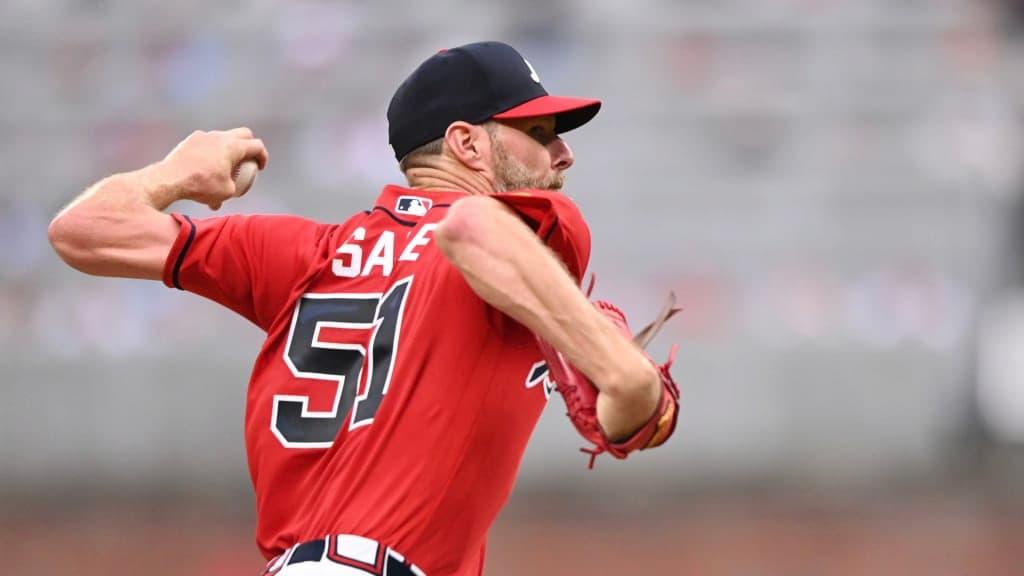
Starting pitching is one of the most important factors to consider when betting on MLB game odds at top online sportsbooks. Unlike many team sports, where the same core players start almost every game, an MLB team's outlook can change significantly depending on who takes the mound.
But analyzing a pitching matchup requires more than comparing two pitchers' win-loss records or ERAs.
Advanced metrics, recent performance, handedness, pitch arsenal, the opposing lineup, expected workload, ballpark, and weather can all provide useful context. Bettors should also consider how long each starter is likely to remain in the game and what happens after they leave.
Here, we will break down how to analyze daily MLB starting pitching matchups and apply that information to your betting decisions.
Check Out Our MLB Guides Hub »
- Why Do Starting Pitching Matchups Matter in MLB Betting?
- What Stats Should You Use to Evaluate MLB Starting Pitchers?
- Breaking Down Hitter vs. Pitcher Matchups
- How Much Do Certain Factors Matter?
- Comparing the Two MLB Starting Pitchers
- How Do Pitching Matchups Affect MLB Betting Markets?
- Common Mistakes When Analyzing MLB Pitching Matchups
- Final Thoughts on Analyzing MLB Pitching Matchups
- FAQ
Why Do Starting Pitching Matchups Matter in MLB Betting?
Starting pitchers can significantly influence how an MLB game unfolds, particularly during the early innings.
A dominant starter can limit baserunners, miss bats, and suppress scoring, while a struggling pitcher can put his team behind early and force the bullpen to cover additional innings.
However, the goal isn't simply to determine which starter is "better." Pitcher wins and ERA don't tell the whole story, and even elite pitchers can encounter difficult matchups.
Instead, evaluate how each starter is performing, how his strengths and weaknesses match up with the opposing lineup, and how much of the game he is likely to influence.
Starting pitching is an important part of MLB handicapping, but it is still only one part.
What Stats Should You Use to Evaluate MLB Starting Pitchers?
No single statistic provides a complete picture of a starting pitcher. Combining traditional and advanced metrics can help you better understand both results and underlying performance.
For a deeper look at the numbers used to evaluate players and teams, check out our guide to important baseball stats and metrics for MLB betting.
Key MLB Stats and Metrics for Pitching Matchup Analysis
ERA and ERA+
Earned run average (ERA) measures how many earned runs a pitcher allows per nine innings, but defense, sequencing, and other factors can affect it.
ERA+ adjusts ERA for league and ballpark conditions, making it useful when comparing pitchers from different environments.
WHIP
Walks and hits per inning pitched (WHIP) measures how frequently a pitcher allows baserunners through hits and walks.
A lower WHIP generally indicates better success at keeping opponents off base, but it doesn't account for how damaging each hit or walk becomes.
FIP, xFIP, and xERA
Metrics such as FIP, xFIP, and xERA provide additional context beyond ERA by focusing more heavily on factors such as strikeouts, walks, home runs, and quality of contact.
Large differences between ERA and underlying metrics can give bettors a reason to investigate a pitcher's performance more closely.
Strikeout and Walk Rates
Strikeout percentage (K%) measures how frequently a pitcher records strikeouts, while walk percentage (BB%) measures how often he issues walks.
Together, they provide useful insight into a pitcher's ability to generate outs without relying on his defense and avoid giving opponents free baserunners.
Home Runs and Quality of Contact
Consider how frequently a pitcher allows home runs and hard contact, along with whether he tends to generate ground balls or fly balls.
These tendencies can become particularly important when combined with the opposing lineup, ballpark, and weather conditions.
Here's a quick overview of some useful starting-pitcher metrics:
| Statistic | What It Can Tell You |
| ERA | Earned runs allowed per nine innings |
| ERA+ | ERA adjusted for league and ballpark |
| WHIP | Frequency of hits and walks allowed |
| FIP/xFIP | Additional context about performance beyond ERA |
| xERA | Expected performance based partly on quality of contact |
| K% | Frequency of strikeouts |
| BB% | Frequency of walks |
| HR/9 | Frequency of home runs allowed |
Look Beyond Season-Long Pitching Statistics
Season-long statistics provide a useful starting point, but they don't necessarily tell you what kind of pitcher will take the mound today.
Recent performance can reveal meaningful changes in velocity, command, strikeout rate, walks, or quality of contact. The key is separating genuine changes from normal short-term variance.
Don't assume two bad starts mean a pitcher is suddenly struggling or three dominant outings mean he has permanently improved. Look for changes beneath the results.
Health and workload matter as well. A pitcher returning from injury may face a pitch limit, while another may regularly work deep into games. Teams can also use openers who are expected to pitch only an inning or two.
Knowing how much work to reasonably expect from the starter helps determine how much influence he may have on the matchup.
How Does the Opposing Lineup Match Up with the Starting Pitcher?
Evaluating the pitcher alone gives you only half of the picture. His strengths and weaknesses need to be considered against the hitters he will actually face.
Right-Handed vs. Left-Handed Splits
Some pitchers perform significantly better against hitters batting from one side of the plate, while some offenses are notably stronger against left- or right-handed pitching.
Don't stop at team-wide splits. Check the expected or confirmed lineup, as rest days, injuries, and platoon decisions can substantially change the group of hitters a starter faces.
How Does the Lineup Match Up with the Pitcher's Arsenal?
Consider what the pitcher actually throws and how the opposing lineup performs against those pitches.
A starter who relies heavily on a four-seam fastball and slider presents a different matchup from one built around sinkers and changeups.
If several important hitters struggle against a pitcher's primary weapons, the matchup may be more favorable than overall offensive statistics suggest. The reverse can also be true when a lineup performs particularly well against those offerings.
Pitch-type matchups should add context rather than outweigh the overall quality of the pitcher or offense.
Strikeout and Contact Tendencies
Compare how a pitcher records outs with how the opposing lineup approaches its plate appearances.
A high-strikeout starter may have an especially favorable matchup against an offense that frequently strikes out, while a contact-heavy lineup could present a different challenge.
Also consider whether the opponent walks frequently, chases pitches outside the strike zone, hits for power, or consistently puts the ball in play.
The objective is to evaluate how the tendencies of the pitcher and lineup interact rather than looking at either side independently.
How Much Do Certain Factors Matter When Evaluating MLB Pitching Matchups?
How Do Expected Workload and Times Through the Order Matter?
How long a starter is expected to pitch can be nearly as important as how well you expect him to perform.
Pitch count, effectiveness, bullpen availability, upcoming hitters, and how many times the lineup has seen the starter can all influence when a pitching change occurs.
Pitchers also tend to become less effective as hitters see them additional times. That doesn't mean every starter should automatically be removed before facing the lineup for a third time, but it gives bettors another reason to consider expected workload rather than assuming every starter will pitch six or seven innings.
The practical question is straightforward: How many effective innings can you reasonably expect from this pitcher?
That answer helps determine how much weight the starting matchup deserves in your analysis.
Does the Ballpark Matter When Analyzing MLB Pitching Matchups?
The same pitcher can face different levels of risk depending on where the game is played.
Some MLB ballparks favor hitters, while others suppress offense. Dimensions, altitude, foul territory, and other characteristics can affect how batted balls translate into results.
The pitcher's tendencies matter as well, especially for over/under bets and prop bets. A fly-ball pitcher who allows hard contact may face additional risk in a home-run-friendly park, while a ground-ball pitcher may be less affected by that particular factor.
Ballpark shouldn't override the rest of your analysis, but it provides useful context when evaluating matchups.
How Does Weather Affect MLB Pitching Matchups?
Because most MLB games are played outdoors, weather can affect the environment surrounding a pitching matchup.
Temperature, wind, humidity, and precipitation can all be worth monitoring. Wind blowing out can increase the danger of fly balls, while strong wind blowing in may favor pitchers.
Rain is especially important because delays can disrupt a starter's outing. A lengthy interruption may cause a team to remove its pitcher rather than send him back to the mound.
Weather should provide additional context rather than determine your bet by itself.
How Much Should You Consider the Bullpen?
Starting-pitcher analysis can't completely ignore what happens after the starters leave.
If one pitcher is expected to work seven innings and another only four or five, their bullpens may have very different roles in the game. Recent usage can also affect which relievers are available.
A bullpen advantage or disadvantage can reduce or amplify an edge between the starters, particularly for full-game bets.
You don't need to turn pitching-matchup analysis into a complete bullpen handicap. Instead, consider whether bullpen quality, availability, and expected workload change how much weight you should place on the starters.
Comparing the Two MLB Starting Pitchers
Once you have evaluated both starters and their opposing lineups, bring the information together.
Don't simply count which pitcher "wins" more categories. Some advantages matter more than others, and the significance of each factor depends on the matchup.
Instead, use a consistent process to make sure you haven't overlooked anything important.
| Question | Pitcher A | Pitcher B |
| Who has the stronger overall performance? | ||
| Whose underlying metrics are stronger? | ||
| Who has the better handedness matchup? | ||
| Whose arsenal matches up better with the opposing lineup? | ||
| Are recent performance changes meaningful? | ||
| Who benefits more from the ballpark and conditions? | ||
| Who is expected to work deeper into the game? |
This comparison should help you form an opinion about the starting matchup rather than automatically produce a bet.
One pitcher may have a clear advantage, but the sportsbook's odds may already reflect it. Identifying the better pitcher and identifying the better betting value aren't necessarily the same thing.
How Do Pitching Matchups Affect MLB Betting Markets?
Starting-pitcher analysis can inform several betting markets that you can find at Lucky Rebel, BetOnline, and other popular MLB betting sites. How much weight you give the matchup should depend partly on how directly the starters can influence the wager.
Game Sides and Totals
Starting pitching can play an important role when evaluating moneyline bets, MLB run lines, and game totals.
A significant pitching advantage can strengthen the case for one side, while two strong starters may contribute to expectations for a lower-scoring game.
However, full-game bets also involve offenses, bullpens, defense, ballpark, weather, and other factors. A favorable starting-pitching matchup is therefore one component of the handicap rather than a reason to automatically bet a side or total.
Game Props
Pitching-matchup analysis can also inform MLB prop bets.
For strikeout props and other pitcher props, the opposing lineup can affect expectations for strikeouts, walks, hits and earned runs allowed, and outs recorded. Handedness, contact tendencies, pitch-type matchups, and expected workload can all be relevant.
The matchup works in reverse for hitter props. Understanding the opposing starter can provide useful context when evaluating hits, total bases, home runs, and other hitter markets.
First Five Innings Bets
Starting-pitcher analysis can be particularly important for first five innings betting.
First-five moneylines, spreads, and totals focus on the opening five innings, reducing or eliminating much of the late-inning bullpen influence found in full-game wagers.
That doesn't mean the better starter automatically provides the better F5 bet. Offense and price still matter.
But if your strongest opinion about a game centers on the starting-pitching matchup, comparing first-five markets with their full-game equivalents can help determine which wager better reflects your analysis.
Live Betting
Pitching analysis doesn't necessarily end when the game begins.
Live betting allows you to compare your pregame expectations with what is happening on the mound. Velocity, command, pitch count, swings and misses, hard contact, and how hitters are reacting to a pitcher's arsenal can all provide useful information.
Avoid reacting solely to the score. A pitcher can allow runs while pitching reasonably well or remain scoreless despite allowing frequent baserunners and hard contact.
Also consider how much longer the starter is likely to remain in the game, as bullpen influence increases as his outing approaches its end.
Common Mistakes When Analyzing MLB Pitching Matchups
Relying too heavily on ERA is one of the most common mistakes. ERA shows results, but underlying metrics can provide valuable context about how those results were produced.
Pitcher win-loss records can be even less informative because run support and bullpen performance significantly influence them.
Also avoid overreacting to a few recent starts, relying on team-wide handedness splits without checking the actual lineup, or assuming every starter will work deep into the game.
Pitch-type matchups can be useful, but don't allow one favorable or unfavorable pitch profile to outweigh everything else you know about the pitcher and offense.
Most importantly, don't evaluate the starters in isolation. A pitching matchup is ultimately two pitchers facing two specific lineups under a particular set of conditions.
There is no single statistic or factor that can replace putting those pieces together.
Final Thoughts on Analyzing MLB Pitching Matchups
Analyzing MLB starting pitchers requires more than comparing ERA, wins, or recent box scores.
Start with each pitcher's overall and underlying performance, then consider recent changes, expected workload, handedness, pitch arsenal, and how those characteristics match up with the opposing lineup. Ballpark, weather, and bullpen context can further shape the matchup.
Then connect your analysis to the wager you're considering.
Starting pitching can affect full-game sides and totals, props, first-five bets, and live betting in different ways. Understanding the matchup helps you determine how much weight to give the starters—and whether the available betting line provides an opportunity worth taking.
Check Out Our MLB Betting Guide »
Other MLB Betting Information
Other MLB Content by Betting News
Want to dive deeper into becoming a better baseball bettor? This guide to analyzing MLB pitching matchups is just one of many sports betting guides available at Betting News. If you want to learn a type of bet, how to bet on a sport, league, or event, or understand a betting strategy, we have you covered.
Here are other guides we have for major leagues and competitions:
- NFL Betting Guide
- NBA Betting Guide
- NHL Betting Guide
- College Football Betting Guide
- College Basketball Betting Guide
- WNBA Betting Guide
- Soccer Betting Guide
- UEFA Champions League Betting Guide
- Golf Betting Guide
- Tennis Betting Guide
- Formula 1 Betting Guide
- NASCAR Betting Guide
- Major League Soccer Betting Guide
And in addition to our World Series hub and betting guides, we have many other hubs and guides connected to major events, including the Super Bowl, FIFA World Cup, March Madness, all of the Triple Crown horse races (the Kentucky Derby, Preakness Stakes, and Belmont Stakes), the College World Series, and the golf and tennis majors.
Follow Betting News on Social Media
We also cover MLB in great depth through Betting News Network programming and on our social media channels.
Follow us on Twitch, Twitter, TikTok, and YouTube for frequent MLB betting insight from our content team.
Learn About Where to Bet on Sports
At Betting News, we have in-depth reviews of many top online sportsbooks, including Lucky Rebel, BetOnline, and Everygame, as well as top Canadian sportsbooks, international sportsbooks, and VPN-friendly crypto sportsbooks for U.S. players.
Learn About Other Types of Gambling
We don't just cover sports betting, either. Prediction markets like Polymarket are on the rise, and we are ramping up our coverage of that sector.
Outside of sports and sports betting, we also have a slew of resources dedicated to casino gambling and online poker.
Do you love to play online slots, blackjack, roulette, and other popular online casino games? Check out our catalog of casino guides and learn all you need to know to play your favorite games at the best online casinos.
Do you like to play Texas Hold'em or Five Card Draw while competing for real money against other players around the world? Check out our online poker guides and explore our recommendations of top online poker sites.
Remember, betting on Major League Baseball and any other sport or league should be for entertainment and enjoyment. Always bet responsibly and utilize good bankroll management.
But if you find yourself having trouble sticking to responsible gambling practices, take a step back and/or use resources such as the National Council on Problem Gambling to get the help you may need.