How Much Do Sports Betting Trends and Splits Matter?

Written by: Eddie Griffin
Published: Fri Aug 21, 2026, 2:18 pm ET
Read Time: 13 minutes
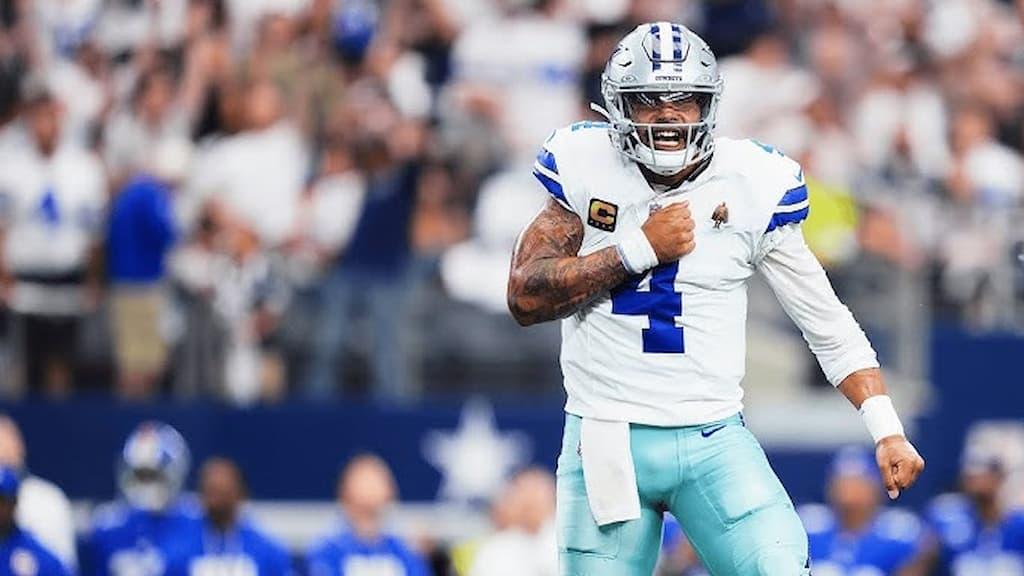
Sports bettors have access to more statistics than ever before. Along with traditional team and player stats, you can find records broken down by home and road games, opponents, playing surfaces, recent performance, weather conditions, and countless other variables.
These trends and splits can uncover useful information, but they can also make almost any betting angle look convincing if you search hard enough.
An NFL or NBA team being 8-2 against the spread over its last 10 games might seem significant. But what if those games involved different opponents, injuries, betting lines, and circumstances? Similarly, an MLB player hitting .350 against left-handed pitching can be useful information, but its importance depends on the sample size and underlying performance.
Trends and splits can matter in sports betting, but how much weight you should give them depends on the context. Whether you are betting on NFL odds, MLB odds, college football odds, or soccer odds, understanding which data may help predict future performance and which merely describes what has already happened can help you determine how much influence trends and splits should have on your bets.
What Are Trends in Sports Betting?
Betting trends are historical patterns involving the results or betting performance of teams, players, or particular situations.
A trend might show that an NFL team has covered the spread in seven of its last 10 games or that an MLB team has frequently gone over the total when facing left-handed starting pitchers.
Trends can involve moneyline results, point spreads, over/under betting results, prop bets, or almost any other betting market.
Some cover broad and potentially meaningful samples. Others combine increasingly specific conditions to produce a pattern that may have little predictive value.
For example:
- A team is 18-10 against the spread (ATS) over two seasons.
- A team is 7-1 ATS in its last eight road games.
- A team is 6-0 ATS in Sunday road games following a home loss.
Each statement might be factually correct, but that doesn't mean each is equally useful for predicting the next game.
What Are Splits in Sports Betting?
Splits divide performance data according to a particular condition or situation.
Common examples include home and road performance, statistics against left-handed or right-handed pitchers, results against particular types of opponents, or performance on different playing surfaces.
Unlike many betting trends, splits don't necessarily focus on whether previous wagers won or lost. Instead, they can help bettors understand how a team or player performs under circumstances relevant to an upcoming matchup.
An MLB hitter's overall statistics, for example, show how he has performed against all pitchers. His platoon splits show how that performance differs against left-handed and right-handed pitching.
Similarly, a tennis player's overall record provides useful information on the surface. But understanding different court surfaces can help you dive deeper, as breaking records down by hard, clay, and grass courts may reveal important differences in performance.
What Is the Difference Between Trends and Splits?
Trends and splits overlap, but they aren't exactly the same thing.
A trend identifies a historical pattern. A split separates a larger set of data into categories to show how performance changes under different conditions.
Consider an MLB team facing a left-handed starting pitcher.
A trend might tell you that the team has won seven consecutive games against left-handed starters. A split might show that its lineup has produced significantly better offensive numbers against left-handed pitching throughout the season.
The winning streak tells you what happened. The offensive split may help explain why the matchup could favor that lineup.
Neither should determine your wager on its own, but understanding the difference can help you decide which information deserves more weight.
How Much Weight Should You Give Trends and Splits?
There is no single amount of weight you should give every trend or split. Some can reveal information hidden by overall records and season-long statistics, while others may have little relevance to an upcoming matchup.
An MLB lineup performing substantially better against one pitcher handedness or a tennis player consistently excelling on a particular surface can influence a handicap because there are logical reasons behind those differences.
An arbitrary historical trend may deserve considerably less attention. The amount of weight you give any trend or split should depend on its relevance, sample size, underlying explanation, and connection to the current matchup.
Trends and splits are generally most useful as supporting information rather than standalone reasons to place a bet.
Which Sports Betting Splits Should You Pay Attention To?
Some splits have clear connections to how teams and players perform, making them useful additions to a broader handicap.
Home and Road Splits
Teams can perform differently at home and on the road due to travel, venue characteristics, crowd effects, familiarity, and other factors.
However, a better home record isn't enough by itself. Bettors should consider why the difference exists and whether the factors behind it remain relevant to the upcoming matchup.
Left-Handed and Right-Handed Splits in Baseball
There are a lot of important stats and metrics MLB handicappers may use, but platoon splits are particularly useful in baseball betting because hitters can perform differently depending on whether they face left-handed or right-handed pitching.
When analyzing starting pitching matchups for MLB games, team-level splits can also help evaluate how a lineup matches up with an opposing starter. However, sample size and underlying statistics still matter when deciding how much weight to give those numbers.
Tennis Surface Splits
Clay, grass, and hard courts reward different skills, making surface splits particularly relevant in tennis betting. Whether you like to bet on match results, break of serve betting, or other markets, surface splits hold a lot of weight.
Serve and return effectiveness, movement, rally length, and playing style can all contribute to a player's performance on each surface. That gives surface splits a logical connection to future performance rather than making them an arbitrary historical pattern.
Recent Performance Splits
Breaking statistics into recent periods can help identify changes that full-season numbers haven't captured.
A player's role may have changed, a team may have adjusted its lineup, or performance may have shifted following an injury. But shorter periods also create smaller samples, so recent results should be investigated rather than automatically treated as a better representation of current ability.
Which Sports Betting Trends Should You Be Careful With?
The more conditions required to create a betting trend, the more skeptical you should generally become.
Suppose you see that an NFL team is 9-1 ATS in its last 10 home games following a road loss. That may sound compelling, which is understandable. However, you should ask why losing the previous road game should cause the team to outperform the betting market in its next home game.
Adding more conditions can make the trend look even stronger while reducing its usefulness.
You might eventually discover that a team is 7-0 ATS at home against conference opponents following a road loss when favored by fewer than seven points. The perfect record looks impressive, but the sample has been constructed from such specific circumstances that it may tell you very little about the next game.
Searching through enough combinations until an impressive historical pattern appears is a form of data mining. A trend becomes more convincing when there is a reasonable explanation for why it exists rather than simply an eye-catching record.
Why Do Sample Size and Context Matter?
Small samples can produce extreme results simply through normal variation.
A baseball hitter going 5-for-10 against a particular pitcher has a .500 batting average in that matchup, but 10 at-bats aren't enough to establish that he has a sustainable advantage. Similarly, a team going 6-0 ATS under a specific set of conditions doesn't mean the pattern will continue.
Larger samples can provide more information, but bigger isn't automatically better. Older data may involve different players, coaches, rules, strategies, and betting environments.
You also need to consider whether there is a logical explanation for the pattern. Correlation doesn't necessarily mean causation.
If a team has historically performed well against the spread in night games, the fact that those games were played at night may have nothing to do with the results. Other factors, as well as the normal ups and downs that can occur over the course of a long season, could explain the record.
Before giving significant weight to a trend, ask a simple question: Why should this pattern continue?
If there isn't a reasonable answer, the historical record alone shouldn't carry much weight.
Do Head-to-Head Trends Matter in Sports Betting?
Head-to-head records are among the most commonly cited trends in sports betting, but their value varies considerably.
Recent meetings can provide useful information when the same core players, coaches, tactics, or matchup characteristics remain in place.
Older results can quickly become less relevant. NFL, college football, and CFL rosters change significantly from season to season, while trades, free agency, injuries, and coaching changes can transform teams in other sports.
Even when personnel remains similar, each meeting can occur under different circumstances and at different betting prices.
Knowing that one team has won six consecutive games against another can be interesting. The more important question is whether the factors responsible for those victories still exist and whether the current betting line already accounts for them.
Do Against-the-Spread Trends Matter?
Against-the-spread records show how a team has performed relative to market expectations, but they also require context.
A team with a strong ATS record has consistently performed better than the point spreads assigned to its games. That doesn't necessarily mean it will continue doing so, because a period of sustained success can cause sportsbooks and bettors to adjust their expectations and result in notable line movement. Today's betting line already reflects current information and perceptions about the team. Those perceptions can change, and so can the betting lines.
Knowing that a team is 8-2 ATS in its previous 10 games can provide useful context for NFL spread betting, but it doesn't automatically make the team more likely to cover its next spread. ATS trends are better used as a starting point for further analysis than as a reason to place a wager by themselves.
How to Determine How Much a Betting Trend or Split Matters
Before incorporating a trend or split into your handicap, ask several questions:
- Is there a logical explanation? A tennis player's surface performance has a clear connection to playing conditions. An MLB team's record on Tuesdays probably does not.
- Is the sample large enough? Be cautious about drawing strong conclusions from a handful of games or appearances.
- Is the data still relevant? Consider whether the players, coaches, roles, rules, or other circumstances have changed.
- Are the underlying numbers supportive? Look beyond wins and losses to determine whether performance statistics support the apparent pattern.
- Could the market already know this? Widely recognized trends and splits may already be reflected in the sports betting markets and available odds.
- Is the trend overly specific? The more arbitrary conditions needed to produce an impressive record, the greater the chance that you are looking at noise.
- Does it improve your handicap? Trends and splits should provide useful context rather than replace analysis of the current matchup.
While you may not use this checklist every time you bet, asking these questions on a regular basis can help you minimize common betting mistakes and the potential for bad beats along the way.
How Much Do Trends and Splits Matter in Sports Betting? Final Thoughts
Trends and splits can matter in sports betting, but the amount of weight they deserve varies significantly.
Splits with a clear connection to performance, such as baseball platoon splits or tennis surface records, can play a meaningful role in handicapping a matchup. Trends can also identify changes or patterns that deserve further investigation. Other historical patterns may deserve little or no influence on your betting decision.
Be particularly cautious with small samples, outdated information, overly specific trends, and records that lack a logical explanation. An impressive 8-0 trend means considerably less if there is no reason the underlying conditions should affect the next result.
Start with the current matchup and use relevant trends and splits to support or challenge your analysis rather than allowing an eye-catching historical record to make the decision for you.
When the data has context, relevance, a reasonable sample, and an understandable connection to performance, trends and splits can be useful parts of your sports betting process. When those elements are missing, they deserve considerably less weight.
Other Betting Information
This guide is just one of many sports betting guides available at Betting News. If you want to learn a type of bet, how to bet on a sport, league, or event, or understand a betting strategy or term, we have you covered.
Here are other guides we have for major leagues and competitions, types of bets, betting strategy, and sports betting terminology:
- Beginner's Guide to Betting on Sports
- NFL Betting Guide
- NBA Betting Guide
- MLB Betting Guide
- NHL Betting Guide
- College Football Betting Guide
- College Basketball Betting Guide
- WNBA Betting Guide
- Golf Betting Guide
- Formula 1 Betting Guide
- NASCAR Betting Guide
- UFC Betting Guide
- What Are Futures Bets?
- What Does It Mean to Lay or Take the Points?
- Line Shopping in Sports Betting
- How to Manage Your Sports Betting Bankroll
And in addition to our Super Bowl hub and betting guides, we have many other hubs and guides connected to major events, including the FIFA World Cup, March Madness, all of the Triple Crown horse races (the Kentucky Derby, Preakness Stakes, and Belmont Stakes), the College World Series, and the golf and tennis majors.
Follow Betting News on Social Media
As noted above, we cover the NFL in great depth on our Twitch streams and our other social media channels. Follow us on Twitch, Twitter, TikTok, and YouTube for frequent NFL betting insight from our content team.
Learn About Where to Bet on Sports
At Betting News, we have in-depth reviews of many top online sportsbooks, including Lucky Rebel, BetOnline, and Everygame, as well as top Canadian sportsbooks, international sportsbooks, and VPN-friendly crypto sportsbooks for U.S. players.
Learn About Other Types of Gambling
We don't just cover sports betting, either. Prediction markets like Polymarket are on the rise, and we are ramping up our coverage of that sector.
Outside of sports and sports betting, we also have a slew of resources dedicated to casino gambling and online poker.
Do you love to play online slots, blackjack, roulette, and other popular online casino games? Check out our catalog of casino guides and learn all you need to know to play your favorite games at the best online casinos.
Do you like to play Texas Hold'em or Five Card Draw while competing for real money against other players around the world? Check out our online poker guides and explore our recommendations of top online poker sites.
Remember, betting on the NFL and any other sport or league should be for entertainment and enjoyment. Always bet responsibly and utilize good bankroll management.
But if you find yourself having trouble sticking to responsible gambling practices, take a step back and/or use resources such as the National Council on Problem Gambling to get the help you may need.