Texas Gambling: Recommended Online Casinos and Sportsbooks, Regulation and News

Written by: Jonathan Rodriguez
Last Update: Fri Apr 03, 2026, 9:39 am ET
Read Time: 28 minutes
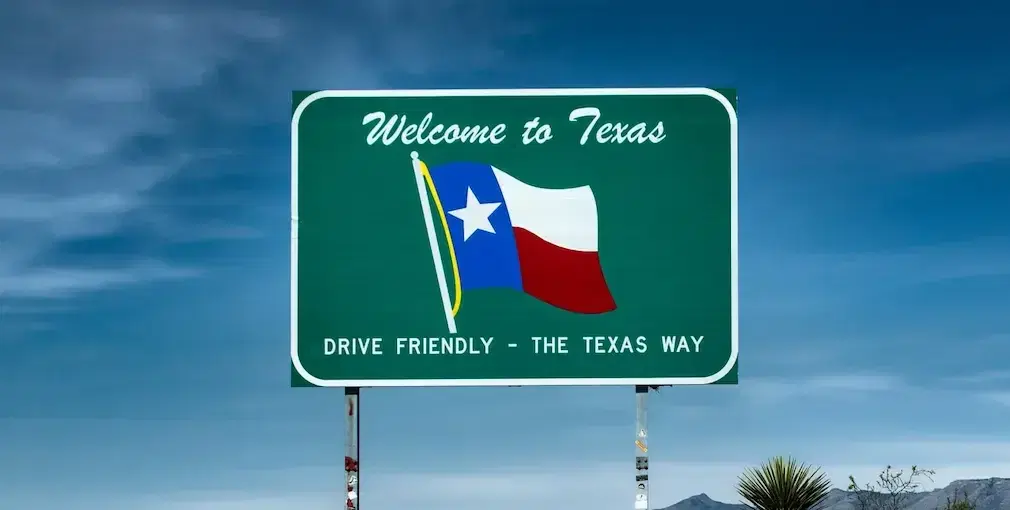
Texas offers a unique betting atmosphere shaped by tradition, demand, and strict regulations. Local online gambling remains limited, yet interest continues to grow so residents often turn to online casinos and sportsbooks based offshore.
These platforms provide diverse games, secure transactions, and competitive betting odds. However, Texas does not locally license or regulate these sites. As a result, players must choose trustworthy operators to ensure safety and fair play.
Sports betting bills have surfaced in recent years but face strong opposition. Despite this, major leagues and franchises support legalization, keeping the debate active. Texans also enjoy land-based betting options through horse racing and tribal casinos.
With shifting opinions and rising demand, the state's gambling outlook may change. For now, bettors rely on reliable offshore casinos and sportsbooks while awaiting clearer regulations.
This blend of tradition, modern demand, and ongoing debate defines the Texas betting scene today.
These sites all accept players in Texas and have a long track-record and good reputation. As such players can feel confident playing there, despite these sites not being regulated for Online Gambling by the State of Texas.
To ensure that the sites we recommend uphold their reputation and offer a great experience for BettingNews.com readers, we also conduct frequent in person testing and monitoring of these online casinos and online sportsbooks.
If we recommend them and they earn our seal of approval, it is because we have personally reviewed their history, and present, to make sure that they will be a great place for our readers to gamble at.
Best Online Sportsbooks in Texas
Best Online Gambling Sites in Texas
Recent Gambling News from the State of Texas
More Texas News
Betting Industry News
Lieutenant Gov. Patrick Urges Texas Lawmakers to Probe Prediction Markets
Betting Industry News
Texas AG Candidates Oppose Online Casino Expansion
Betting Industry News
SB21, Texas Bitcoin Reserve Bill, Advances to Governor's Desk
Betting Industry News
Strategic Bitcoin Reserve Bill Moves Forward in Texas
Overview of the Gambling Landscape and Laws of the State of Texas
Texas maintains one of the most restrictive gambling environments in the United States. State law prohibits most forms of casino-style gambling, with only a few exceptions.
Texans can legally participate in the state lottery, charitable bingo, raffles, and pari-mutuel wagering on horse and greyhound racing. Tribal casinos operate under federal law, but their offerings remain limited compared to Las Vegas or Atlantic City resorts.
Sports betting is not yet legal in Texas, despite repeated attempts in the legislature. Several proposals have gained momentum in recent years, fueled by strong public support and backing from professional sports teams. However, conservative lawmakers continue to resist expanded gambling, citing moral and social concerns.
Online casinos and sportsbooks are also not locally licensed in Texas. As a result, many residents turn to recommended offshore platforms that offer poker, slots, table games, and sports betting.
While these sites are accessible, they operate outside state jurisdiction, meaning players must carefully select reputable operators to ensure fairness and security.
Enforcement of gambling laws remains strict, but participation in offshore betting typically falls into a legal gray area. The ongoing debate suggests that pressure from sports leagues, casino operators, and growing tax revenue opportunities may eventually shift state policy.
Until then, Texans must navigate a tightly controlled gambling market with limited domestic options.
This mix of legal restrictions, offshore alternatives, and ongoing legislative battles defines the current gambling landscape in Texas.
Texas Tribes and Their Role in State Betting
Three federally recognized tribes in Texas play a unique and pivotal role in the state's limited gambling landscape. Operating under the federal Indian Gaming Regulatory Act (IGRA) and specific tribal restoration acts, they can offer gaming on sovereign land, even though commercial gambling is otherwise illegal in the state.
The Kickapoo Traditional Tribe of Texas operates the Kickapoo Lucky Eagle Casino Hotel in Eagle Pass, the state's only full-scale tribal casino. It offers electronic bingo-style machines, poker, and limited table games under federal law.
Other tribes, including the Alabama-Coushatta Tribe and the Ysleta del Sur Pueblo (Tigua Tribe), have long sought to operate casinos. However, legal battles with the state have restricted their ability to expand beyond electronic bingo facilities. Recent court rulings have strengthened tribal rights, giving them more freedom to operate Class II gaming.
How They Operate
The tribes' ability to offer gambling stems from a complex legal history and the Indian Gaming Regulatory Act of 1988, which created a framework for tribal gaming. According to the law, tribes can offer any game that is not explicitly prohibited by the state. This has led to decades of legal disputes with Texas, which has a strong public policy against gambling.
- Class I Gaming: Traditional, social games with minimal prizes.
- Class II Gaming: This includes bingo and "electronic aids," which is the legal basis for the electronic bingo machines and poker rooms at their casinos.
- Class III Gaming: This includes traditional casino games like slots, blackjack, and roulette. While the Kickapoo Traditional Tribe is permitted to offer these games, a 2022 U.S. Supreme Court ruling for the Alabama-Coushatta and Ysleta del Sur Pueblo tribes affirmed that they are limited to Class II gaming, as Texas law does not explicitly prohibit bingo.
While tribal gaming in Texas remains far smaller than in states like Oklahoma, it provides important economic benefits. Tribal casinos generate jobs, support local businesses, and contribute to community programs.
Tribal efforts also play a key role in the broader gambling debate. As lawmakers debate sports betting and casino expansion, tribes plan to strengthen their presence in the Texas market.
Key Tribes and Their Operations
Kickapoo Traditional Tribe of Texas
Operations: The Kickapoo Traditional Tribe is based in Eagle Pass, near the U.S.–Mexico border. Recognized as a sovereign tribe, they operate the Kickapoo Lucky Eagle Casino Hotel, Texas's only full-scale tribal casino.
The casino offers electronic bingo-style machines, poker, and limited table games under federal Class II gaming regulations. Beyond gaming, the tribe plays a vital role in preserving Kickapoo culture, language, and traditions.
Furthermore, their casino revenues fund community services, health programs, and education, supporting both tribal members and the surrounding region.
Alabama-Coushatta Tribe of Texas
Operations: The Alabama-Coushatta Tribe is located in Livingston, east Texas. Descendants of the Alabama and Coushatta peoples, they are among the oldest tribes in the state.
Their gaming operation, Naskila Gaming, features electronic bingo machines and provides significant employment opportunities for the region. The tribe has faced legal challenges from the state regarding the scope of their gaming rights, but they remain dedicated to operating responsibly.
Cultural preservation, environmental stewardship, and youth education are central to the tribe's mission, with gaming revenues reinvested into community development.
Ysleta del Sur Pueblo (Tigua Tribe)
Operations: The Ysleta del Sur Pueblo, or Tigua Tribe, is based in El Paso and traces its heritage back more than 300 years. Additionally, the Speaking Rock Entertainment Center, once offered casino gaming but now operates primarily with bingo-based electronic machines and live entertainment.
The tribe has engaged in decades of legal battles with Texas over gaming rights, but continues to serve as a cultural and economic anchor in El Paso. Tribal initiatives extend beyond gaming, emphasizing education, healthcare, and cultural programs that preserve Tigua traditions for future generations.
Current State Laws of Texas regulating Gambling
Here's an up-to-date summary of the current Texas state laws that regulate various forms of gambling. Majority of them are listed on the Texas Statutes:
Texas Penal Code, Chapter 47 – Gambling Offenses
Overview: Defines prohibited gambling activities, including making bets, operating or promoting gambling venues, communicating gambling information, and possessing gambling devices.
Texas Government Code, Chapter 466 – State Lottery
Overview: Establishes and regulates the state-operated lottery, covering licensing, annual reporting, audits, and enforcement procedures.
Occupations Code, Chapter 2001 – Bingo Enabling Act
Overview: Allows licensed charitable organizations to host bingo games. It outlines licensing, regulation, limits, local-option rules, and enforcement procedures.
Occupations Code, Chapter 2002 – Charitable Raffle Enabling Act
Overview: Authorizes qualified non-profit groups to hold raffles under specific conditions. It defines raffles, limits raffle counts, imposes prize restrictions, and provides enforcement authority.
Occupations Code, Subtitle A-1 – Texas Racing Act
Overview: Regulates pari-mutuel wagering on horse and greyhound racing. It establishes the Texas Racing Commission, licensing requirements, race meeting oversight, and penalties for violations.
Latest Texas Betting Legislative Updates
The Texas Legislature continues to debate proposals that could expand gambling in the state, particularly around sports betting and casinos. Recent sessions have seen strong backing from professional sports teams and industry advocates, yet opposition from conservative lawmakers has stalled progress.
While momentum is building, no major reforms have passed, leaving Texans limited to the lottery, charitable gaming, and pari-mutuel racing.
Here at Betting News, we are closely monitoring the latest developments, from proposed sports betting bills to potential casino legislation.
Stay up to date by checking back on this page for ongoing updates and expert coverage of Texas gambling legislation.
Active Legislative Proposals regarding Gambling in Texas
House Joint Resolution 134 (HJR 134)
Overview: This constitutional amendment proposal aimed to legalize sports betting in Texas. It would have allowed voters to decide on the issue and would have put the Texas Lottery Commission in charge of regulation.
Status: The bill was referred to the House State Affairs Committee but did not receive a vote and died at the end of the session.
Senate Joint Resolution 16 (SJR 16)
Overview: This proposal was a broader effort to legalize both "destination resort" casinos and sports betting. It would have established a new Texas Gaming Commission to oversee the industry and would have required voter approval.
Status: SJR 16 was referred to the Senate State Affairs Committee but was not brought up for a public hearing and is now dead.
Senate Bill 3070 (SB 3070)
Overview: This bill was a significant overhaul of the Texas Lottery. It would have moved the Texas Lottery Commission under the Texas Department of Licensing and Regulation (TDLR) and imposed new rules on lottery sales.
Status: The bill did not pass and is now dead.
The next opportunity for these or similar bills to be considered will be in the 89th Texas Legislative Session, beginning in January 2027.
Additional Legal Developments
1. Texas Lottery and Charitable Bingo
As of September 1, 2025, the Texas Lottery Commission has been abolished. All of its operations, including the oversight of the state lottery and charitable bingo games, have been transferred to the Texas Department of Licensing and Regulation (TDLR). This change was enacted by Senate Bill 3070, passed in the last legislative session.
The new law introduces stricter rules, including:
- A prohibition on online lottery courier services, making it a Class A misdemeanor to sell lottery tickets through apps or websites.
- More stringent restrictions on the number of tickets a single person can purchase.
The TDLR is now in the process of establishing new, permanent rules for the lottery and charitable bingo. The future of the lottery itself is not guaranteed; the new law requires a legislative review in 2029 to determine if the game should continue.
2. Enforcement of Penal Code
Recent legal actions have solidified the state's stance against certain types of gambling devices.
- Eight-Liner Machines: A recent Texas Supreme Court action effectively ended a nearly nine-year legal battle over the legality of "eight-liner" machines. By denying a rehearing request from a game room operator, the court upheld a lower court's ruling that these machines are illegal gambling devices. This decision clarifies that the "fuzzy animal" exception in the penal code, which applies to games with non-cash prizes of limited value, does not apply to eight-liners. This makes it illegal to operate or advertise them.
3. Texas Racing
The Texas Racing Commission (TXRC) has adopted new rules to enhance its oversight.
- Horsemen's Bookkeeper: The TXRC adopted amendments to its rules to strengthen its ability to track and audit the funds managed by the Horsemen's Bookkeeper. The new rules require annual audited financial statements and give the executive director the authority to inspect and audit the records at any time.
- Horse Health: The commission has also implemented new rules requiring a negative Equine Infectious Anemia (EIA) test within 180 days before a horse can enter a stable at a licensed racetrack.
4. Legal Status of Daily Fantasy Sports
Daily Fantasy Sports (DFS) remain in a legal "gray area." There have been no legislative actions to either legalize or ban them. DFS operators continue to operate in Texas under the argument that their games are based on skill, not chance, and therefore do not fall under the state's gambling prohibitions. There is no official state regulation or licensing for DFS.
Land-Based Sports Betting in Texas
Legal Status: Not Licensed or Regulated
Land-based sports betting in Texas is not licensed or regulated under current state law. Texas maintains one of the most restrictive gambling frameworks in the United States, and wagering on professional or collegiate sports at physical sportsbooks is not permitted. There are no state-authorized retail sportsbooks, betting kiosks, or casino sportsbooks operating within Texas borders.
Despite its prohibition, interest in land-based sports betting remains high. Texas is home to multiple professional franchises across the NFL, NBA, MLB, NHL, MLS, and major college programs. This widespread sports culture continues to drive public discussion and legislative proposals aimed at legalizing sports wagering in physical venues such as casinos, racetracks, or sports arenas.
Over the past several legislative sessions, lawmakers have introduced bills that would allow retail sports betting at designated locations. These proposals often include partnerships with professional teams or existing gaming venues like horse racetracks. However, none have advanced far enough to become law. Opposition remains strong among conservative lawmakers who cite constitutional restrictions and social concerns.
At present, Texans cannot place legal in-person sports bets within the state. Neighboring states with legalized sports betting have attracted Texas residents, but traveling out of state is currently the only lawful way to place a regulated retail sports wager.
Until constitutional or statutory changes occur, land-based sports betting in Texas remains unavailable.
Texas Online Sports Betting
Legal Status: Not Licensed or Regulated
Texas online sports betting is not licensed or regulated by the state. There is no legal framework that allows online sportsbooks to operate under Texas authority, and no in-state operators are approved to accept digital sports wagers from residents.
Lawmakers have proposed several bills to legalize sports betting, but most efforts focus on retail wagering rather than mobile platforms. Even when online sports betting is discussed, proposals typically require a constitutional amendment, followed by voter approval. This high legal threshold has slowed progress considerably.
Despite the lack of regulation, demand for online sports betting remains strong. Texans regularly follow professional and college sports, fueling interest in convenient mobile wagering options. In response, many residents turn to offshore sportsbooks that accept Texas players.
While public support for sports betting continues to grow, online sports wagering remains unavailable through state-licensed channels. Any future legalization would require significant legislative action and voter approval, making change possible but uncertain.
Other Online Sports Betting Options for Texas Residents
Betting sites situated offshore and welcoming US players serve as the optimal venue for Texan bettors to engage in online gambling. Even though these sites are not locally licensed, they all have long track records of fairness and reliability. They often offer larger bonuses and better odds so players looking for value might find these international sportsbooks to be good options for them.
Texas Land-Based Casino Gambling
Legal Status: Not Legal except for Indian-run Establishments
Land-based casino gambling in Texas is not licensed or regulated at the state level. Texas law prohibits most commercial casino-style gaming, including slot machines, table games, and roulette. As a result, the state does not have Las Vegas-style casinos or commercial gaming resorts.
The primary exception involves tribal gaming. The Kickapoo Traditional Tribe of Texas operates a casino offering electronic bingo-style gaming under federal law. Other tribes, including the Alabama-Coushatta Tribe and Ysleta del Sur Pueblo, operate limited gaming facilities restricted to Class II games. These operations exist due to federal protections, not state authorization.
Texas also allows certain charitable gaming activities, such as bingo and raffles, but these do not qualify as traditional casino gambling. Racetracks operate pari-mutuel wagering but cannot offer casino table games or slots.
Over the years, proposals to legalize land-based casinos have gained attention, particularly around destination resort-style developments. Supporters argue that casinos could generate tax revenue, tourism, and jobs. However, constitutional restrictions and political opposition have prevented approval.
As of now, Texas residents seeking full casino experiences must travel to neighboring states such as Oklahoma or Louisiana. Until legal reforms occur, land-based casino gambling remains largely unavailable within Texas.
List of Land-Based Casinos in Texas
Due to Texas's strict gambling laws, the state has no traditional commercial casinos. The only legal land-based casinos operate on federally recognized tribal lands. These facilities offer Class II gaming, which includes electronic bingo and poker, not traditional slots or table games against the house.
Here are the legal land-based casinos in Texas:
Kickapoo Lucky Eagle Casino Hotel
Owners: Kickapoo Traditional Tribe of Texas
Located near the border in Eagle Pass, Kickapoo Lucky Eagle is the largest casino in Texas. It is operated by the Kickapoo Traditional Tribe of Texas and offers a wide range of Class II gaming machines, a hotel, multiple restaurants, and live entertainment.
This casino attracts many visitors from San Antonio and surrounding areas due to its size and amenities.
Naskila Gaming
Owners: the Alabama-Coushatta Tribe of Texas
Owned and operated by the Alabama-Coushatta Tribe of Texas, Naskila Gaming is in Livingston. It is an electronic bingo casino that was the subject of a long legal battle with the state. The U.S. Supreme Court ultimately ruled in favor of the tribe, allowing it to continue operating. The facility features over 800 gaming machines and a cafe.
Speaking Rock Casino
Owners: the Ysleta del Sur Pueblo tribe
Situated in El Paso, Speaking Rock is operated by the Ysleta del Sur Pueblo tribe. Like Naskila, this facility has a history of legal disputes with the state but now operates with a federal court ruling in its favor. It offers a variety of electronic gaming machines, live music, and dining options, serving as a key entertainment venue for the El Paso area.
Texas Online Casino Gambling
Legal Status: Not licensed or Regulated
Texas online casino gambling is not licensed or regulated by the state. Texas law does not permit online casinos to operate under state authority, and there are no in-state platforms offering digital slots, table games, or dealer-style casino play.
Legalizing online casinos would require major changes to Texas law, likely including a constitutional amendment and voter approval. Current legislative discussions focus more on sports betting and land-based casinos, leaving online casinos largely absent from formal proposals.
Despite the prohibition, many Texans still participate in online casino-style gaming. This is possible through non-local online casino options that operate offshore or through sweepstakes-based models.
Until legal reforms occur, online casino gambling will remain unavailable through Texas-licensed platforms. However, offshore and non-local options continue to serve as alternatives for residents seeking online casino entertainment.
Other Online Casino Options for Texas Residents
Online casinos situated offshore and welcoming US players serve as the optimal venue for Texan bettors to engage in online gambling. Even though these sites are not locally licensed, they all have long track records of fairness and reliability. They often offer larger bonuses and casino promotions so players looking for value might find these international gambling sites to be good options for them.
Poker in Texas
Status: Gray Area
Land-based poker in Texas has evolved from a contested "gray area" into a standardized membership-club model.
While traditional casino-style poker remains illegal under the Texas Penal Code, the industry gained significant stability following a landmark September 2025 Texas Supreme Court ruling. By declining to review a long-standing challenge against Dallas-area clubs, the Court effectively upheld the legality of the rake-free model, provided the house does not profit directly from the pots and the games occur in a private place.
Today, dozens of professional clubs operate openly in major hubs such as Austin, Dallas, Houston, and San Antonio. These venues comply with state law by charging membership and hourly seat fees rather than taking a percentage of the winnings. This specific fee structure ensures that all players maintain an equal chance to win while the house operates as a service provider rather than a gambling beneficiary.
Additionally, the industry reached a major turning point with the 2025 court victory for establishments like Texas Card House. The ruling significantly reduced the risk of city-level raids and permit revocations. This newfound legal shield cleared the way for professional recognition on a global scale.
Moreover, as a historic first, Texas is scheduled to host a World Series of Poker (WSOP) Circuit event in early 2026 at the TCH Social location in Austin. This signals the state's arrival as a legitimate international poker destination.
Despite this professionalization, poker remains unregulated at the state level. Inconsistent enforcement can still occur in smaller municipalities where local officials may hold stricter interpretations of the law, and players must still rely on the self-regulation of individual clubs.
Until a formal state licensing system is established, Texas poker will continue to thrive exclusively through these private, membership-based institutions.
List of Poker Operations in Texas
In Texas, poker clubs operate legally as private social clubs, charging membership and seat fees instead of taking a rake from the pot. This business model has allowed a thriving poker scene to develop, with several large and popular operations.
The Lodge Card Club
Tables: Approximately 82 poker tables
Owner/Operator: Co-owned by well-known poker professionals and vloggers Doug Polk, Brad Owen, and Andrew Neeme
Known as one of the largest poker rooms in the world, The Lodge is a premier destination for players. It features a high-end setup and is known for its popular live-streamed cash games and major tournament series, attracting players from across the country.
Texas Card House
Tables: Varies by location; between 26 to 70 poker tables
Owner/Operator: Owned and operated by Ryan Crow; founded by a team of owners
As one of the most recognized brands in Texas poker, Texas Card House has multiple locations throughout the state. Each location offers a variety of cash games and tournaments. Some of their "Social" locations, like the one in Austin, also feature upscale dining and a bar.
Prime Social Poker Room
Tables: Not publicly listed
Owner/Operator: Founded by Dean Maddox; currently operated by an "ownership group"
Prime Social is a large and popular poker club in Houston. It has been a significant player in the Texas poker scene, offering a wide variety of games, from low-stakes cash games to large tournaments. The club has faced legal challenges in the past, but it remains a prominent operation.
Watauga Social Lounge
Tables: not disclosed
Owner/Operator: Owned by Joe and David Van Dyke
Located in the Dallas-Fort Worth area, Watauga Social Lounge was a notable club that gained attention after a highly publicized raid in 2022. It was a large venue that attracted many players but has since faced significant legal battles.
While its status is currently in question, it's an important example of the legal risks associated with poker clubs in the state.
Texas Online Poker
Status: Not Licensed or Regulated
Texas online poker is not licensed or regulated by the state. There are no state-approved online poker platforms offering real-money games under Texas authority. Online poker legalization would require significant statutory and constitutional changes.
Despite this, interest in online poker remains strong. Texas has a large and active poker community, driven by both recreational players and competitive tournament participants. Without regulated options, many players turn to non-local online casino options that include poker rooms.
For now, online poker in Texas remains unavailable through state-regulated channels, leaving players dependent on offshore or alternative platforms.
Other Online Poker Options for Texas Residents
Online poker sites based offshore and accessible to U.S. players can serve as alternative venues for Texas players seeking to place online wagers. Because these operators maintain headquarters outside the United States, they inhabit a legal 'grey zone.' The main advantage of playing offshore is that these online poker sites have larger pool of players and therefore more action at the tables and bigger tournaments. So even though offshore poker sites might not be regulated locally, they have long track records of honesty, bigger tournaments and table offerings and therefore offer a better experience than local sites for most players.
Texas Horse Betting
Legal Status: Legal
Land-based horse betting in Texas is licensed and regulated through pari-mutuel wagering. The Texas Racing Commission oversees horse racing and betting activities at approved racetracks.
Major tracks such as Lone Star Park, Sam Houston Race Park, and Retama Park offer live racing and on-site betting. Bettors place wagers on races using the pari-mutuel system, where payouts are determined by the betting pool.
Horse betting has long been a legal form of wagering in Texas and remains one of the few fully regulated betting options available. Racetracks also offer simulcast wagering, allowing bettors to wager on races held at other tracks.
Although attendance at live racing events fluctuates, horse betting remains an important part of Texas gambling history. Regulatory oversight ensures integrity, wagering transparency, and consumer protections.
Land-based horse betting continues to operate legally and remains a cornerstone of Texas' regulated gambling industry.
List of Horse Betting Racetracks in Texas
In Texas, horse betting is legal only at licensed, land-based racetracks. The state's horse racing industry is regulated by the Texas Racing Commission, which oversees all live racing and pari-mutuel wagering.
Here are the primary horse racing tracks in Texas:
Sam Houston Race Park Owner/Operator: Penn Entertainment Inc.
Located in Houston, this is a major racing and entertainment venue. It features both a dirt track and a turf course and hosts live Thoroughbred and Quarter Horse racing seasons.
The park also provides year-round simulcast wagering on races from around the world.
Lone Star Park at Grand Prairie Owner/Operator: Global Gaming Solutions, LLC, a subsidiary of the Chickasaw Nation.
Situated in the Dallas-Fort Worth metroplex, Lone Star Park is Texas's busiest racetrack. It features two live racing seasons each year for both Thoroughbreds and Quarter Horses.
The facility is a major entertainment destination with a seven-level grandstand, a large racebook for simulcast wagering, and a variety of dining options.
Retama Park Owner/Operator: Retama Development Corporation, with management by Penn Entertainment Inc.
Located near San Antonio in Selma, Retama Park is a Class 1 racetrack that offers live Quarter Horse racing during its season.
It also operates a simulcast facility throughout the year, allowing patrons to bet on races from other tracks.
Gillespie County Fairgrounds Owner/Operator: Gillespie County Fair & Festivals Association, Inc.
The Gillespie County Fairgrounds is a historic and multi-purpose venue located in Fredericksburg, Texas. It is famous for hosting the annual Gillespie County Fair, which is recognized as the oldest continuous county fair in Texas.
While it's not a major commercial racetrack, it holds a significant place in the state's horse racing history, operating as a Class 3 racetrack. The fairgrounds hosts live Thoroughbred and Quarter Horse races for a limited number of days each summer as part of the fair.
It also provides facilities for other community events, including concerts, exhibits, and private functions.
Val Verde County Fairgrounds Racetrack Owner: Val Verde County, Texas
The Val Verde County Fairgrounds is a county-owned facility located in Del Rio, Texas. 1 It is not a major horse racing track in the same vein as those found in Houston or Dallas, but it does host horse racing and other events.
The fairgrounds primarily serves as a multi-purpose venue for the community, with a focus on local events. There is a racetrack on the property. It is mainly used for Quarter Horse racing, often as part of the annual county fair and other local events.
Texas Online Horse Betting
Legal Status: Not Licensed or Regulated
Texas online horse betting occupies a complex legal position and is not licensed or regulated at the state level in the same way as land-based wagering. While Texas allows pari-mutuel betting at physical racetracks, online horse betting is not directly authorized under state law.
Some advance-deposit wagering (ADW) platforms have historically accepted Texas players, though availability can change due to regulatory interpretation. These platforms are typically licensed in other states and operate under interstate wagering agreements.
Because online horse betting lacks clear state authorization, Texas does not provide direct oversight or consumer protections for digital wagering. As a result, bettors must rely on out-of-state regulatory bodies.
In addition to ADW platforms, some players explore non-local online horse betting options that include horse racing–style betting markets. These alternatives operate outside Texas jurisdiction.
Until Texas clarifies its stance on digital wagering, online horse betting will remain less defined than its land-based counterpart.
Other Online Horse Betting Options for Texas Residents
Online horse betting based offshore that accept U.S. players serve as an alternative for Texas players seeking online gambling. Even though these sites are not locally licensed, they all have long track records of fairness and reliability. They often offer larger bonuses and better odds so players looking for value might find these international racebooks to be good options for them.
Texas Lotteries
Legal Status: Legal
The Texas Lottery is a state-regulated entity that provides one of the few fully legal and socially accepted forms of gambling in the state.
While it was traditionally operated by the Texas Lottery Commission, a landmark law passed in June 2025 (SB 3070) abolished the commission and transferred all oversight to the Texas Department of Licensing and Regulation (TDLR) as of September 1, 2025. This structural change was accompanied by a significant tightening of lottery regulations intended to curb the expansion of digital sales.
The lottery's core offerings remain unchanged, including multi-state draw games like Powerball and Mega Millions, as well as in-state favorites like Lotto Texas, Texas Two Step, and various scratch-off games. Revenue from these sales continues to be a vital funding source for the state, with approximately $1.8 billion generated in fiscal year 2025 for the Foundation School Fund (public education) and a record $31.1 million for the Fund for Veterans' Assistance.
A critical update for 2026 is the total prohibition of online lottery courier services. Previously, third-party apps like Jackpocket and Lotto.com allowed Texans to order tickets digitally.
However, following 2025 legislation and regulatory crackdowns, these services have been banned, and selling tickets via apps or websites is now a Class A misdemeanor. Residents must now purchase all tickets in person at one of the state's 20,000+ licensed physical retailers.
Despite these new restrictions, the lottery remains the most accessible gambling option in Texas. Strict age verification (18+) and prize validation requirements are enforced by the TDLR to ensure the integrity of the games.
Until the current authorization expires in 2029, the lottery will continue to operate under this more restrictive, retail-focused framework.
List of Texas Lottery Games
The Texas Lottery operates all legal lotteries within the state. It is a government-run entity. The "top 5 lotteries" are actually the most popular and well-known games offered by this single operator. Here's a quick overview of each:
Powerball
Operator: Multi-State Lottery Association (MUSL)
Powerball is a highly popular multi-state lottery with huge jackpots. It's known for offering some of the largest cash prizes in the world. Texas has been a participant since 2010.
Mega Millions
Operator: Multi-State Lottery Association (MUSL)
Mega Millions is another nationwide game with multi-million dollar prizes. It is a direct competitor to Powerball in terms of jackpot size. Texas joined this lottery in 2003.
Lotto Texas
Operator: Texas Lottery
This is Texas's original flagship jackpot game. It is a state-specific draw game with a minimum jackpot of $5 million. Drawings are held every Monday, Wednesday, and Saturday.
Texas Two Step
Operator: Texas Lottery
Texas Two Step offers a more favorable chance of winning a smaller jackpot. The game has a starting jackpot of $200,000, and drawings are held twice a week on Mondays and Thursdays.
All or Nothing
Operator: Texas Lottery
This is a unique daily draw game. Players win the top prize by matching all 12 numbers drawn or by matching none of the numbers drawn. The top prize is a fixed amount of $250,000.
Texas Sweepstakes Casinos
Legal Status: Promotional Sweepstakes (Generally Legal); Sweepstakes Casinos (Gray Area)
Texas sweepstakes casinos operate legally under federal and state sweepstakes laws rather than traditional gambling statutes.
Because Texas prohibits state-licensed online casinos, these platforms have become the most accessible legal alternative for residents. They offer a full range of casino-style entertainment, including slots, blackjack, and roulette, by utilizing a "dual-currency" system to bypass the legal definition of gambling.
Under this model, platforms provide players with two types of virtual currency. The first, often called "Gold Coins," is used strictly for social play and has no monetary value. The second, typically referred to as "Sweeps Coins," is an entry into a sweepstakes that can be obtained for free (via daily logins or mail-in requests) or as a bonus with the purchase of social coins.
These "Sweeps Coins" can be used to play games and, if won, are redeemable for real-market prizes or cash. This "no purchase necessary" requirement is the critical legal mechanism that allows them to operate in Texas without a gambling license.
As of early 2026, the industry is facing increased scrutiny. Following the 2025 legislative session, which saw the ban of online lottery couriers, Texas regulators and the Attorney General's office have begun reviewing the sweepstakes model more closely. While the platforms remain widely available and popular, they occupy a space that some officials now label "loophole gaming."
Despite this pressure, sweepstakes casinos remain operational and are not currently subject to Texas state gaming oversight. This means they do not offer the same state-mandated consumer protections or dispute resolution services found in regulated markets like New Jersey or Pennsylvania.
List of Sweepstakes Casinos in Texas
Chumba Casino
Owner/Operator: Virtual Gaming Worlds (VGW)
The most popular sweepstakes casino in the U.S., including Texas. Offers hundreds of slots, blackjack, roulette, and video poker. Players use Gold Coins for fun and Sweeps Coins for cash prize eligibility. Known for secure payments and large jackpots.
LuckyLand Slots
Owner/Operator: Yellow Social Interactive Ltd.
LuckyLand Slots focuses primarily on slot-style games with bright graphics and frequent promotions. Runs a sweepstakes model with Gold Coins and Sweeps Coins. It appeals to casual slot fans who prefer fast-paced, easy gameplay.
Funzpoints
Owner/Operator: Woopla Gaming (U.S.-based, based in Colorado)
Funzpoints features a mix of slots and instant-win games. Players can enjoy two modes: Standard Play (for fun) and Premium Play (for real prizes). Funzpoints offers daily rewards, making it popular among casual players.
Pulsz Casino
Owner/Operator: Yellow Social Interactive Ltd.
Pulsz Casino offers a wide variety of online slots, table games, and scratch cards. Uses a sweepstakes model with Gold Coins and Sweeps Coins. Known for sleek design and frequent prize opportunities.
Texas Prediction Markets
Status: Gray Area
Prediction markets in Texas are at the center of a major legislative tug-of-war. While platforms like Kalshi and Polymarket are currently accessible to Texans, they are operating under a "federal shield" that the state is actively working to dismantle.
Texas has some of the strictest anti-gambling laws in the country, with both sports betting and casino gaming remaining illegal. However, prediction markets currently bypass these bans through a federal loophole:
- The "Derivative" Loophole: These platforms are registered with the federal Commodity Futures Trading Commission (CFTC) as financial exchanges. They argue that their contracts are "event derivatives" (similar to oil futures) rather than bets.
- Federal Preemption: Because they are federally regulated, the platforms claim that Texas state law cannot touch them. This allows Texans to legally trade on everything from election results to interest rates despite the state's general gambling prohibition.
The "free pass" for these markets in Texas is under immediate threat due to several recent developments:
- Texas Senate Probe (March 27, 2026): Lt. Gov. Dan Patrick issued a formal "interim charge" to the Texas Senate State Affairs Committee to investigate the "sudden inundation" of prediction markets. He specifically instructed the committee to find ways to stop these platforms from circumventing Texas's gambling prohibitions.
- The "Grey Market" Crackdown: Texas regulators are currently reviewing whether prediction markets, especially those offering sports-based contracts, violate the state's exclusive agreements with charitable gaming or infringe on the state's strict "no-sports-betting" stance.
- Insider Trading Enforcement: As of April 2026, the CFTC has ramped up its presence in Texas to monitor "information arbitrage." Texas-based traders are now under strict surveillance to ensure they aren't using non-public information regarding the state's energy grid or political appointments to profit on these exchanges.
You can technically use these markets in Texas today, but don't get too comfortable. With the Lieutenant Governor's office officially signaling an "aggressive move" to regulate or shutter them, the 2027 Texas Legislative session will likely be a defining moment for the industry's future in the state.
Texas Gambling FAQ
Still Here?
Check out everything we have to offer at Betting News!
We really are All About the Game!