When Should You Place Your Sports Bets? Is Early or Late Betting Better?

Written by: Eddie Griffin
Published: Sat Aug 22, 2026, 12:13 am ET
Read Time: 16 minutes
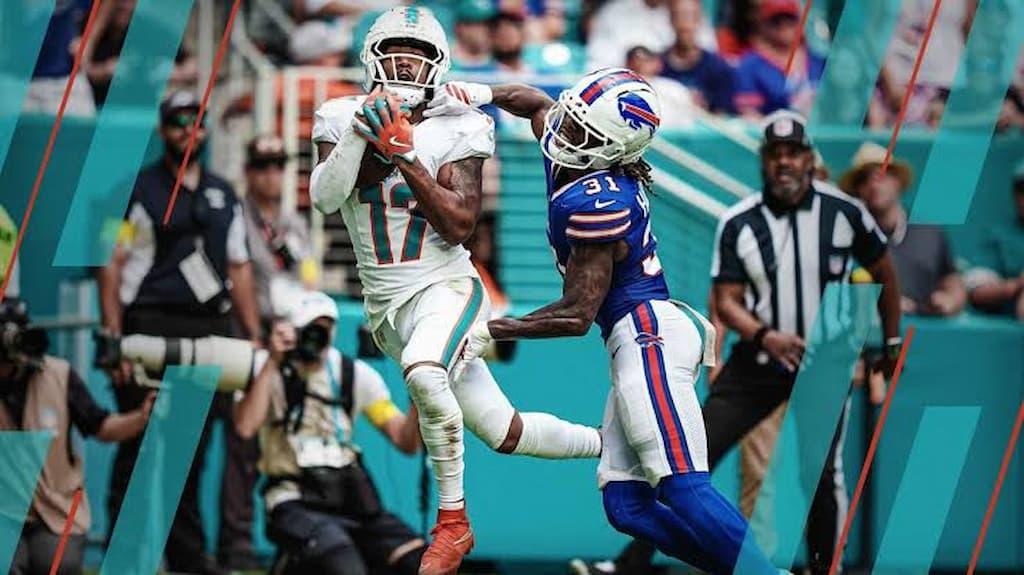
Timing can make a significant difference when betting on sports. The team, player, or total you want to bet may be available at one number or price when the market opens, but by the time the game begins, the lines and odds may have changed significantly.
That raises an important question: when is the best time to bet on sports?
There isn't one answer that applies to every wager. Betting early can help you secure favorable odds or a point spread before the market moves, while waiting gives you more information about injuries, lineups, weather, and other factors.
The best time to bet ultimately depends on the sport, market, available odds, and information you expect to become available. Understanding those tradeoffs can help you decide when to place your wager instead of automatically betting as soon as odds appear or waiting until the last minute.
Does It Matter When You Place a Sports Bet?
Yes. Sports betting odds and lines can change considerably between the time a market opens and the start of an event.
An NFL or college football team that opens as a 2.5-point favorite might eventually move to -3.5. A MLB moneyline could move from -120 to -140, while the odds on an NBA player prop could change after lineup or injury news.
If you bet the football favorite at -2.5, you have a significantly better number than someone who later takes -3.5. Similarly, betting a baseball team at -120 requires risking less money than betting the same team at -140.
However, the earlier bettor also accepts additional uncertainty. Important information can emerge after the wager has been placed.
It is also important to know your target price. Liking a team at -2.5 doesn't necessarily mean it remains a good bet at -3.5, just as a moneyline you like at -120 may no longer offer value at -140.
The goal is not simply to bet as early or as late as possible. It is to find the best balance between getting a favorable price and having enough information to make an informed decision.
When Do Sports Betting Lines Open?
The timing of opening lines varies by sport, competition, sportsbook, and type of bet.
Markets for major events can become available well in advance. NFL point spreads may be posted days before kickoff, while futures markets for championships and awards can remain open for months.
Other markets appear much closer to game time. Prop bets, alternate lines, and specialized markets may not be posted until sportsbooks have more information about expected lineups, injuries, starting pitchers, or other variables.
There also isn't necessarily one universal opening line. A market may first appear at one sportsbook and move before another book posts its own odds. Sportsbooks can release markets at different times and open at different numbers based on their own information and movement elsewhere in the market.
Once betting begins, odds can move as sportsbooks react to wagers, new information, and changes across the broader market.
What Are the Advantages of Betting Early?
Betting early can be valuable when you believe the current line or odds are likely to become less favorable.
You Can Get Ahead of Line Movement
One of the biggest advantages of betting early is the opportunity to secure a number before the market moves.
Suppose the Dallas Cowboys open at -2.5 for a matchup against the Philadelphia Eagles and you believe they should be favored by more than a field goal. Betting immediately allows you to lock in -2.5.
If the market eventually moves to -3.5, you have crossed one of the most important key numbers in NFL betting, 3. A three-point victory for Dallas would win your original -2.5 wager but lose for someone who waited and bet -3.5.
The same principle applies to moneylines and over/under bets. If you expect a price to move against you and the current odds already offer value, betting early can preserve the better number.
Opening Lines Can Present Opportunities
Opening lines are the earliest prices available on a market, but early markets can behave differently from those closer to game time.
Bettors who specialize in a particular league, team, or market may occasionally identify a number they believe is inaccurate before additional information and betting activity move it.
Some early markets can also have lower betting limits and less liquidity, particularly for player props, smaller competitions, and specialized markets. That can make their odds more sensitive to wagers. Limits and market activity may increase as the event approaches and more information becomes available.
Getting there first still doesn't make a wager good. Betting an opening line requires confidence that the available number offers value before the market has had more time to develop.
You May Have More Betting Options
Betting earlier can sometimes provide access to numbers or prices that disappear later.
A spread might move away from a key number, a favorable moneyline could shorten, or a sportsbook could adjust a prop after receiving significant action.
If you already have a strong opinion and believe the current number provides value, waiting simply because the event is several days away can mean losing the opportunity.
What Are the Disadvantages of Betting Early?
The biggest disadvantage of betting early is straightforward: you are making your decision with less information.
Injuries and Lineup Changes Can Occur
A player can suffer an injury in practice, be ruled out unexpectedly, or receive a reduced role after you have already placed your wager.
How much that matters depends on the bet. A questionable wide receiver could be critical to his own player prop but have a smaller effect on your assessment of the full-game spread. A starting quarterback's availability could significantly affect several markets.
Baseball bettors may want confirmed lineups before placing certain wagers, while basketball and player prop bettors can be affected by late changes in playing time or expected roles.
Once your wager has been placed, subsequent news doesn't allow you to simply change the original bet. So, before you lock in your bet, you should feel confident about your choice and the information you are working with.
Weather Forecasts Can Change
Weather is another reason to consider waiting, particularly for outdoor sports.
Early forecasts can change considerably before an event. Wind, rain, snow, temperature, and other conditions can affect football totals, baseball games, golf tournaments, and other sports and markets.
Betting early may allow you to get ahead of a weather-related move if you have confidence in the forecast, but it also creates the risk that the expected conditions never materialize.
The Market May Move in Your Favor
Betting early isn't beneficial if waiting would have produced a better number.
You might bet an underdog at +3 only to see +3.5 become available later. A moneyline favorite at -150 could move to -135, or an over at 47.5 might drop to 46.5.
Nobody can predict every market move correctly. Betting early means accepting the possibility that a better price may become available later and that you could very well be disappointed later, especially if you end up on the receiving end of a bad beat.
What Are the Advantages of Betting Closer to Game Time?
Waiting until closer to an event sacrifices some opportunities to grab early numbers, but it gives you something valuable in return: more information.
By game day, injury reports may be clearer, starting lineups could be confirmed, weather forecasts should be more reliable, and you can see how the betting market has developed.
Waiting also lets you observe line movement before making a decision. You can see whether a spread has crossed an important number, how a total has moved, or whether a moneyline has become more or less expensive.
The tradeoff is that everyone else has access to much of the same information. Waiting for certainty can mean paying for it through a worse betting line or having to take on more juice.
For example, you might wait for confirmation that an important NBA player will play before betting his team at -3. If his availability is confirmed and the market immediately moves to -5, you have more information but a significantly worse number.
Is It Better to Bet Early or Late?
Neither is automatically better. The right choice depends on why you want to place the bet and what could change before the event begins.
Consider betting earlier when:
- You believe the current odds or line offer clear value.
- You expect the market to move against the side you want.
- The spread is near an important key number.
- There is relatively little uncertainty surrounding injuries, lineups, or weather.
- You have identified a number that differs significantly from your own assessment.
Waiting may make more sense when:
- A key player's availability is uncertain.
- Starting lineups or roles could significantly affect your wager.
- Weather is important and the forecast remains unclear.
- You are betting a player prop dependent on playing time or lineup position.
- You value additional information more than the possibility of getting a better early price.
The decision comes down to the value of the current number versus the value of waiting for more information.
When Is the Best Time to Bet on NFL and College Football?
With NFL odds and college football odds, bettors frequently face the choice between betting early in the week and waiting until closer to kickoff.
Early betting can be particularly useful when a point spread is near an important number. Getting an NFL favorite at -2.5 before the line moves to -3 or -3.5 can materially affect the outcome of the bet.
Also, at many NFL betting sites, bettors may also encounter look-ahead lines for the following week's games before the current week's schedule is complete. Those early numbers can change after games are played and sportsbooks account for injuries, performances, and other new information.
Waiting has advantages, too. Practice reports can clarify player availability, while weather forecasts and conditions become more reliable as kickoff approaches.
College football presents additional considerations because information about injuries and player availability may not always be as transparent as it is in the NFL.
There is no universal best day to lock in your NFL picks and college football picks. If getting a particular number is the priority, earlier may be better. If uncertainty surrounding personnel or conditions is central to your handicap, waiting can be more valuable.
When Is the Best Time to Bet on Basketball?
Basketball betting markets can be particularly sensitive to player availability.
With NBA odds and WNBA odds, the status of a star player can significantly affect the point spread, moneyline, total, and numerous player props. Late scratches, rest, and changing rotations can make betting too early risky when important players are questionable.
Waiting for lineup information can reduce that uncertainty, although the market may move quickly once news becomes public.
College basketball presents similar challenges, particularly when reliable injury information is limited.
For player props, waiting until expected lineups and roles are clearer may be useful. For sides and totals where personnel uncertainty is minimal, betting earlier may provide an opportunity to secure a better number.
When Is the Best Time to Bet on Baseball?
Baseball presents a different set of timing considerations.
Starting pitchers have a major influence on MLB odds, so sportsbooks typically account for the expected pitching matchup when posting lines. Confirmed batting orders, however, aren't usually available until much closer to first pitch.
That can make waiting valuable for hitter props and other MLB prop bets influenced by lineup position. Weather can also matter, particularly when wind, temperature, or rain could affect scoring or create postponement concerns.
Bettors placing wagers before starting pitchers are confirmed should also understand their sportsbook's rules. How a wager is handled after a pitching change can depend on the sportsbook, market, and whether the bet requires a listed pitcher to start.
On the other hand, bettors who have already analyzed the pitching matchup and expect a moneyline or total to move may prefer to bet earlier.
As with other sports, the best time to make your MLB picks depends on what information matters most to the particular wager.
When Is the Best Time to Bet on Props?
Prop bets can require different timing considerations than major markets such as spreads, moneylines, and totals. Many prop markets have lower betting limits and less liquidity, which can cause odds and lines to move quickly after betting activity or new information.
For player props, injuries to teammates, confirmed starting lineups, expected minutes, batting order position, and other role changes can dramatically alter a player's projection. Game and team props can also be affected by lineup news, weather, injuries, and other developments before an event. These considerations can also affect same-game parlays, as many SGPs either partially or fully consist of player props.
Waiting doesn't necessarily mean holding off until seconds before the game. Instead, identify what information could materially affect the prop you want to bet and determine when that information is likely to become available.
There are still advantages to betting props early. Sportsbooks may adjust numbers quickly, particularly in less liquid markets, and a favorable line or price can disappear after bettors begin wagering on it.
If the information relevant to your prop is already clear and you believe the opening number offers value, betting early may be worthwhile. When important uncertainty remains, waiting can reduce the risk of wagering based on assumptions that later become outdated.
Does Line Shopping Affect When You Should Bet?
Yes. Before deciding that you need to bet immediately because a line might move, check whether a better number is already available elsewhere.
Line shopping allows you to compare odds at multiple sportsbooks rather than treating the line at one site as the entire market.
For example, Lucky Rebel might offer an NFL favorite at -3.5 while BetOnline still has -3. A baseball moneyline could be -130 at one book and -120 at another.
This can also help you evaluate line movement. If several sportsbooks begin changing their odds while another has yet to move, you may have an opportunity to secure the earlier number.
Before trying to predict where the market is going, make sure you have found the best price currently available. Getting the timing right is useful, but consistently getting the best available price is just as important.
Does Closing Line Value Mean You Placed a Good Bet?
Closing line value refers to getting better odds or a better number than the market's closing line.
If you bet an NFL team at -2.5 and the market closes at -3.5, you obtained a more favorable spread than bettors taking the favorite immediately before kickoff.
Consistently getting better prices than the closing market can be a useful indicator that you are finding favorable numbers. However, closing line value doesn't guarantee that an individual wager will win, nor does it prove that every wager was profitable in expectation.
Your -2.5 bet can still lose outright, while someone taking a worse -3.5 could win if the team wins by 10.
The result of one game doesn't determine whether you got a good line or odds. Tracking your wagers against later and closing lines can instead help you evaluate whether you are consistently obtaining favorable numbers over time.
Tips for Deciding When to Place a Sports Bet
Instead of following a rule that says you should always bet early or always wait, consider the circumstances surrounding each wager.
- Know your target price. Decide what number or odds you are willing to bet so you don't chase the market after the value you identified has disappeared.
- Know what information is still coming. Injuries, lineups, weather, and player roles may be worth waiting for.
- Watch important numbers. If an NFL spread is approaching 3 or 7, waiting could cost you a valuable half-point.
- Compare multiple sportsbooks. A number that has disappeared at one sportsbook may still be available elsewhere.
- Don't chase line movement. If the market has already moved significantly against you, reconsider whether the new price still offers value.
- Consider the market you're betting. Prop bets may require different timing than sides, totals, or futures.
- Don't bet simply because you expect movement. The current wager still needs to make sense based on your analysis.
- Track the numbers you bet. Comparing your bets with later and closing lines can help you evaluate your timing over a larger sample.
When Is the Best Time to Bet on Sports? Final Thoughts
There is no universal best time to bet on sports.
Betting early gives you an opportunity to secure favorable numbers before the market moves, but you accept the risk that injuries, weather, lineup changes, or other information could emerge later. Waiting provides more information but may leave you with a worse price after the market adjusts.
The best approach is to consider what matters most for each individual wager. If you have confidence in your analysis and believe a favorable number is likely to disappear, betting early can make sense. If important information remains unknown, waiting may be worth the risk of a line move.
Ultimately, the goal isn't to place your bet at a particular time. It is to place it when you believe you have enough information and the available odds still offer value.
Other Betting Information
This guide is just one of many sports betting guides available at Betting News. If you want to learn a type of bet, how to bet on a sport, league, or event, or understand a betting strategy or term, we have you covered.
Here are other guides we have for major leagues and competitions, types of bets, betting strategy, and sports betting terminology:
- Beginner's Guide to Betting on Sports
- NFL Betting Guide
- NBA Betting Guide
- MLB Betting Guide
- NHL Betting Guide
- College Football Betting Guide
- College Basketball Betting Guide
- WNBA Betting Guide
- Golf Betting Guide
- Formula 1 Betting Guide
- NASCAR Betting Guide
- UFC Betting Guide
- What Are Futures Bets?
- What Does It Mean to Lay or Take the Points?
- Live Betting Explained
- How to Manage Your Sports Betting Bankroll
And in addition to our Super Bowl hub and betting guides, we have many other hubs and guides connected to major events, including the FIFA World Cup, March Madness, all of the Triple Crown horse races (the Kentucky Derby, Preakness Stakes, and Belmont Stakes), the College World Series, and the golf and tennis majors.
Follow Betting News on Social Media
As noted above, we cover the NFL in great depth on our Twitch streams and our other social media channels. Follow us on Twitch, Twitter, TikTok, and YouTube for frequent NFL betting insight from our content team.
Learn About Where to Bet on Sports
At Betting News, we have in-depth reviews of many top online sportsbooks, including Lucky Rebel, BetOnline, and Everygame, as well as top Canadian sportsbooks, international sportsbooks, and VPN-friendly crypto sportsbooks for U.S. players.
Learn About Other Types of Gambling
We don't just cover sports betting, either. Prediction markets like Polymarket are on the rise, and we are ramping up our coverage of that sector.
Outside of sports and sports betting, we also have a slew of resources dedicated to casino gambling and online poker.
Do you love to play online slots, blackjack, roulette, and other popular online casino games? Check out our catalog of casino guides and learn all you need to know to play your favorite games at the best online casinos.
Do you like to play Texas Hold'em or Five Card Draw while competing for real money against other players around the world? Check out our online poker guides and explore our recommendations of top online poker sites.
Remember, betting on the NFL and any other sport or league should be for entertainment and enjoyment. Always bet responsibly and utilize good bankroll management.
But if you find yourself having trouble sticking to responsible gambling practices, take a step back and/or use resources such as the National Council on Problem Gambling to get the help you may need.