MLB Pitcher Props: How to Handicap & Find Value on Strikeouts, Outs & More

Written by: Eddie Griffin
Last Update: Fri Sep 25, 2026, 12:03 am ET
Read Time: 14 minutes
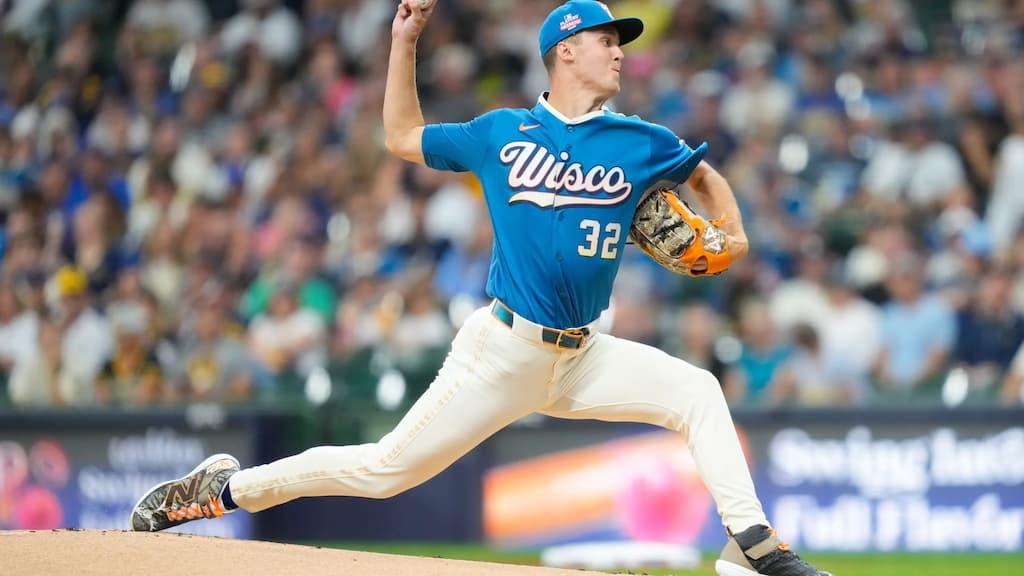
Starting pitching plays an enormous role in MLB betting, and you don't have to wager on the outcome of a game to bet on a starting pitcher. MLB pitcher props allow bettors to predict individual pitching performances, including strikeouts, outs recorded, and other statistics.
These MLB markets can be particularly interesting because pitchers face a series of measurable matchups. A pitcher's strikeout ability can be compared with the opposing lineup's strikeout tendencies, while his pitch mix can be evaluated against the strengths and weaknesses of opposing hitters.
But pitcher props aren't purely statistical exercises. Workload, pitch count, efficiency, lineup construction, managerial tendencies, ballpark, weather, and other factors can influence how long a pitcher stays on the mound and what he accomplishes.
This guide explains how MLB pitcher props work, which markets are most popular at top online sportsbooks such as Lucky Rebel and BetOnline, and what you should consider when handicapping them.
Check Out Our MLB Guides Hub »
What Are MLB Pitcher Props?
MLB pitcher props are prop bets that are typically based on an individual pitcher's performance rather than the final result of the game.
Most pitcher props involve starting pitchers, although sportsbooks may occasionally offer markets involving relievers.
A pitcher prop can therefore win even if the pitcher's team loses. If you bet Over 6.5 strikeouts and the starter records eight before his team eventually loses, the final score will not directly affect the outcome of the wager.
Pitcher props form one part of the broader selection of MLB prop bets available throughout the regular season and playoffs.
Always check the sportsbook's rules before wagering, particularly requirements concerning whether a pitcher must start and how pitching changes, postponed games, or other unusual circumstances are handled.
What Are the Most Popular MLB Pitcher Props?
Sportsbooks offer numerous ways to wager on starting pitchers, with the selection varying by sportsbook and matchup.
Pitcher Strikeouts
Strikeouts are among the most popular MLB pitcher props.
A sportsbook sets a total such as 5.5 or 6.5, and bettors wager on whether the starter will record more or fewer strikeouts.
A strong strikeout matchup involves much more than looking at the pitcher's average strikeouts per game. Pitcher K%, opposing lineup strikeout tendencies, and expected workload can all matter when betting MLB strikeout props.
Outs Recorded
Pitcher outs props measure how many outs the starter records before leaving the game.
Because three outs complete an inning, Over 17.5 outs requires the pitcher to record at least 18 outs, effectively completing six innings.
These props put significant emphasis on workload, pitch efficiency, opponent quality, and managerial tendencies. A starter can pitch well but still fall short of an outs total if a high pitch count forces an early exit.
Hits Allowed
Hits allowed props ask whether a pitcher will surrender more or fewer hits than the posted total.
Consider both the pitcher's ability to limit quality contact and the opposing lineup. Many of the same contact and matchup factors used when handicapping MLB hitter props can be useful from the opposite perspective when evaluating hits allowed.
Earned Runs Allowed
Sportsbooks may set an over/under for the number of earned runs charged to a pitcher.
Pitcher ability obviously matters, but so do opponent quality, ballpark, weather conditions, and defense. One extra-base hit with runners aboard can dramatically affect this prop.
Walks Allowed
Walk props focus primarily on a pitcher's control and the opposing lineup's plate discipline.
BB%, first-pitch strikes, command, and the willingness of opposing hitters to work counts can all provide useful information when evaluating a walks total.
Other MLB Pitcher Props
Depending on the sportsbook, you may also encounter props involving pitches thrown, batters faced, pitching milestones, or whether a starting pitcher will record a win.
Pitcher win props are more dependent on team performance than many other pitcher markets. For a starter to earn a win in a standard nine-inning game, he generally must complete at least five innings, while his team must take a lead during his appearance that it does not relinquish.
Available markets can vary considerably between sportsbooks and matchups, with high-profile games often featuring deeper prop menus.
MLB Pitcher Prop Betting Strategies and Tips
Handicapping pitcher props requires more than determining whether a starter is good or bad.
The objective is to estimate what that pitcher is likely to accomplish against a specific lineup and then determine whether your expectation differs enough from the sportsbook's line to justify a bet.
How to Handicap MLB Pitcher Props
The importance of each handicapping factor varies depending on whether you are betting strikeouts, outs, earned runs, or another pitcher market.
Evaluate the Pitcher's Performance
ERA provides useful information, but it shouldn't be the only number you use to evaluate a pitcher.
K%, BB%, K-BB%, FIP, xERA, WHIP, swinging-strike rate, contact quality, and other measures can provide additional context. Which baseball stats and metrics matter for MLB betting depends partly on the prop: strikeout and swinging-strike rates are particularly relevant to Ks, while control metrics matter more for walks and contact quality becomes important for hits and earned runs.
The goal is not to find the pitcher with the best statistics. It is to determine whether his expected performance is above or below the number posted by the sportsbook.
Analyze the Opposing Lineup
A pitcher's season-long averages don't tell you exactly what to expect against tonight's opponent. Some lineups strike out frequently, while others excel at putting the ball in play. Patient teams can also generate walks and long at-bats that increase a starter's pitch count.
Evaluate the lineup the pitcher is actually expected to face rather than relying entirely on full-season team numbers. Injuries, rest days, platoons, and lineup changes can alter an opponent's strikeout, power, contact, and plate-discipline profile, while relevant trends and splits can provide additional matchup context.
Consider Platoon and Pitch-Type Matchups
Handedness can affect how well a pitcher matches up with an opposing lineup.
A left-handed starter who dominates left-handed hitters but has significantly weaker numbers against righties could face a difficult assignment against a lineup loaded with productive right-handed bats.
Pitch selection provides another layer. Determine which pitches the starter relies upon and how opposing hitters perform against those offerings. A pitcher with an excellent slider could have an attractive matchup against a lineup that struggles with breaking pitches.
Handedness and pitch selection are also important when analyzing MLB starting pitching matchups, but their relevance to pitcher props varies by market.
Project Workload and Pitch Efficiency
Workload is one of the most important considerations when betting pitcher props.
A pitcher can't accumulate strikeouts or record outs from the dugout. Before betting an over, consider recent pitch counts and innings, health, the point of the season the game is taking place, managerial tendencies, and any known restrictions. An unexpected early hook can also produce one of the more frustrating bad beats on workload-dependent props.
Efficiency matters too. A pitcher who needs 20 pitches per inning may struggle to work deep into a game even if he prevents runs. Walks, foul balls, and long at-bats can quickly increase a pitch count.
Opponent approach can therefore affect workload. A patient lineup that forces deep counts may reduce a starter's chances of clearing an outs total or accumulating another inning's worth of strikeout opportunities. Pay particular attention to pitchers returning from injury, young starters with workload restrictions, and early-season pitchers who may still be building toward their normal workloads.
Consider Managerial Tendencies and the Bullpen
Not every manager handles starting pitchers the same way.
Some starters receive an opportunity to work through the opposing order for a third time, while others are removed more aggressively. A manager's typical approach can be particularly important for outs recorded and strikeout overs.
Bullpen availability can influence those decisions. A relief corps that has worked heavily in recent games may encourage a manager to seek additional length from his starter, while a rested, dominant bullpen makes an earlier pitching change easier.
These patterns aren't guarantees, but understanding how likely a pitcher is to receive another inning can be important when betting workload-dependent props.
Account for Ballpark and Weather
The environment can affect pitcher props just as it affects hitters.
A fly-ball pitcher working in a home-run-friendly park can face a different level of risk than he would in a stadium that suppresses power. Wind blowing out or unusually warm temperatures can make conditions more favorable for hitters, while other conditions may benefit pitchers.
These factors are generally more relevant for hits, earned runs, and outs recorded than something such as walks, so match the information to the market you're betting.
While weather's impact on betting is higher with baseball than many other sports, don't automatically fade a pitcher simply because conditions appear hitter-friendly, and don't automatically bet on a pitcher just because conditions appear to be favorable for him.
Other Considerations for Betting MLB Pitcher Props
Once you have evaluated the pitcher and matchup, turn your attention to the particular prop and the number you are being asked to bet.
Match Your Analysis to the Prop
Not every pitcher prop should be handicapped the same way.
For strikeouts, pitcher K%, swinging strikes, opposing strikeout tendencies, pitch matchups, and projected workload deserve significant attention.
For outs recorded, efficiency, pitch count, opposing plate discipline, managerial tendencies, and the likelihood of pitching deep become particularly important.
Walk props place more emphasis on control and opposing patience, while hits and earned runs require additional consideration of contact quality, opposing offense, ballpark, and weather.
The same pitcher can offer an attractive over in one market and an attractive under in another. Don't turn a general expectation that a pitcher will perform well into automatic overs across multiple props.
Don't Rely Too Heavily on Recent Results
Baseball performance can fluctuate considerably over short stretches.
A pitcher coming off three excellent starts isn't guaranteed to continue that run, just as a starter who struggled in his previous outing hasn't necessarily become a poor pitcher.
Look for reasons behind the results. Changes in velocity, pitch mix, command, swinging-strike rate, contact quality, health, or workload can provide more useful information than a simple list of recent ERAs or strikeout totals.
Decide Whether to Bet Before Lineups Are Confirmed
Deciding when to place sports bets means weighing that additional information against the possibility that the number or price moves while you wait.
Pitcher prop bettors face an important timing decision.
Betting early can help you secure a favorable line before it moves, particularly if you believe the sportsbook has underestimated the pitcher or matchup.
Waiting for the confirmed lineup gives you more certainty about exactly who the pitcher will face. A star receiving a rest day, a team stacking opposite-handed hitters, or multiple lineup changes could meaningfully alter the matchup.
Compare Pitcher Prop Lines and Odds
Pitcher props can differ significantly between sportsbooks.
One sportsbook might offer Over 5.5 strikeouts at -130 while another posts 6.5 at +105. Those are meaningfully different bets even though they involve the same pitcher.
Differences can also appear in outs recorded, hits allowed, walks, and other markets. Line shopping allows you to compare both the threshold and price before wagering, and .
It can also be useful to monitor line movement after props are posted, particularly when confirmed lineups, weather, or other information changes the market.
When Is the Best Time to Bet MLB Pitcher Props?
There isn't a universal best time to bet pitcher props.
Opening numbers can provide opportunities before the market adjusts, especially if you have a strong opinion about the pitcher's workload or matchup.
Waiting can provide more information. Confirmed lineups, updated weather forecasts, bullpen availability, and other developments can change your expectations for a starter, but the line may also move while you wait.
The importance of that information depends on the wager. An opposing lineup change could significantly affect a strikeout prop, while a known workload restriction may be important enough to act on before other information becomes available.
Ultimately, the decision comes down to what you know, what you still need to know, and whether you believe the potential benefit of waiting outweighs the risk of losing a favorable number.
Best Sportsbooks for MLB Pitcher Props
Most of the best MLB betting sites offer pitcher props throughout the MLB season, but market selection, lines, and prices can differ.
Look beyond whether a sportsbook simply offers strikeout props. A deeper pitcher-prop selection may include outs recorded, hits allowed, earned runs, walks, alternate lines, and other markets.
Lucky Rebel, BetOnline, Everygame, Bovada, and SportsBetting.ag are among the sportsbooks we recommend for MLB prop betting.
Having accounts at multiple sportsbooks can be particularly useful because even a difference of half a strikeout or one out can materially change a wager. We recommend doing so, but it is not a hard requirement to have success with betting on MLB odds or any other league or sport.
Where Can You Research MLB Pitcher Props?
Good research is the foundation of making confident MLB picks, and baseball bettors have access to extensive information for researching starting pitchers.
Baseball Savant provides Statcast data covering pitch usage, velocity, movement, expected statistics, batted-ball quality, and other pitcher and hitter information.
FanGraphs provides advanced pitching statistics, splits, projections, pitch data, and other tools for evaluating pitchers and opposing offenses.
Confirmed lineups, injury information, weather, recent pitch counts, bullpen usage, and sportsbook odds can provide additional context.
As with other areas of MLB betting, more information isn't automatically better. Focus on the statistics and circumstances that have a logical connection to the pitcher prop you're evaluating.
Conclusion
MLB pitcher props provide numerous ways to wager on one of the most influential players in a baseball game.
Strikeouts may receive the most attention, but outs recorded, hits allowed, earned runs, walks, and other markets allow bettors to evaluate pitching performances from different angles.
Successful analysis requires matching your research to the wager. Pitcher ability, opposing lineup, handedness, pitch mix, workload, efficiency, managerial tendencies, bullpen availability, ballpark, and weather can all matter depending on the prop.
Most importantly, don't confuse predicting a good pitching performance with finding a good bet. Your goal is to determine whether the sportsbook's expectation is too high or too low and whether the available line and odds offer value.
Other Betting Information
Other MLB Content by Betting News
Our MLB betting guide covers some of the basic information that you need to know if you will be betting on MLB games and odds this season.
Want to dive deeper into becoming a better baseball bettor? This guide to analyzing MLB pitching matchups is just one of many sports betting guides available at Betting News. If you want to learn a type of bet, how to bet on a sport, league, or event, or understand a betting strategy or term, we have you covered.
Here are other guides we have for major leagues, competitions, sports betting terminology, and concepts and strategies:
- Beginner's Guide to Betting on Sports
- NFL Betting Guide
- NBA Betting Guide
- NHL Betting Guide
- College Football Betting Guide
- College Basketball Betting Guide
- WNBA Betting Guide
- Golf Betting Guide
- Formula 1 Betting Guide
- NASCAR Betting Guide
- UFC Betting Guide
- What Are Futures Bets?
- MLB Futures Bets: Types, Strategies, and More
- What Does It Mean to Lay or Take the Points
- MLB First Five Innings Betting Explained
- NRFI and YRFI Betting Guide
And in addition to our World Series hub and betting guides, we have many other hubs and guides connected to major events, including the Super Bowl, FIFA World Cup, March Madness, all of the Triple Crown horse races (the Kentucky Derby, Preakness Stakes, and Belmont Stakes), the College World Series, and the golf and tennis majors.
Follow Betting News on Social Media
We also cover MLB in great depth through Betting News Network programming and on our social media channels.
Follow us on Twitch, Twitter, TikTok, and YouTube for frequent MLB betting insight from our content team.
Learn About Where to Bet on Sports
At Betting News, we have in-depth reviews of many top online sportsbooks, including Lucky Rebel, BetOnline, and Everygame, as well as top Canadian sportsbooks, international sportsbooks, and VPN-friendly crypto sportsbooks for U.S. players.
Learn About Other Types of Gambling
We don't just cover sports betting, either. Prediction markets like Polymarket are on the rise, and we are ramping up our coverage of that sector.
Outside of sports and sports betting, we also have a slew of resources dedicated to casino gambling and online poker.
Do you love to play online slots, blackjack, roulette, and other popular online casino games? Check out our catalog of casino guides and learn all you need to know to play your favorite games at the best online casinos.
Do you like to play Texas Hold'em or Five Card Draw while competing for real money against other players around the world? Check out our online poker guides and explore our recommendations of top online poker sites.
Remember, betting on Major League Baseball and any other sport or league should be for entertainment and enjoyment. Always bet responsibly and utilize good bankroll management.
But if you find yourself having trouble sticking to responsible gambling practices, take a step back and/or use resources such as the National Council on Problem Gambling to get the help you may need.