Bad Beats in Sports Betting: What Are They and Can You Avoid Them?

Written by: Eddie Griffin
Published: Mon Aug 10, 2026, 3:50 pm ET
Read Time: 12 minutes
Few losses in sports betting are more frustrating than bad beats.
Your team might be comfortably covering the point spread before allowing a meaningless touchdown in the final seconds. An under might look certain to cash until a game unexpectedly goes to overtime. A player might appear to have reached the number you need for a prop bet, only for a statistical correction to take it away.
Whatever the circumstances, the result is the same: a bet that looked destined to win somehow ends up losing.
Bad beats are an unavoidable part of sports betting, and almost anyone who bets regularly will experience them eventually. However, not every close or disappointing loss qualifies as a bad beat, and understanding the difference can help you evaluate your wagers more objectively.
You can't eliminate bad beats, but you can control how you respond to them. In this guide, we will look at what bad beats are, why they happen, how they differ from bad bets, and what you can do when a seemingly certain win turns into an improbable loss.
What Is a Bad Beat in Sports Betting?
A bad beat is a wager that appears highly likely to win before an unlikely or unexpected event causes it to lose, typically late in a game or match.
The term originated in poker but is now widely used in sports betting. There isn't an official threshold that determines whether a loss qualifies as a bad beat, so the term is somewhat subjective.
A team failing to cover a -3.5 point spread after allowing a meaningless touchdown with five seconds remaining is a classic example. Losing a bet on that same team because it trailed throughout the game and never seriously threatened to cover isn't.
Timing is also not the only consideration. A bettor could suffer what feels like a bad beat because of an injury, an unusual coaching decision, a statistical correction, or another unpredictable development.
The common thread is that the wager was in a strong position to win before circumstances changed dramatically.
That distinction matters because bettors sometimes label almost any painful loss a bad beat. Losing by half a point doesn't automatically make a wager a bad beat, nor does losing a large favorite or missing the final leg of a parlay.
Sometimes a bet simply loses.
Examples of Bad Beats in Sports Betting
Bad beats can occur with almost any type of sports wager.
Consider an NFL team that is favored by 6.5 points and leads 27-17 with less than a minute remaining. The opposing team drives down the field and scores a touchdown as time expires. The favorite still wins 27-24, but bettors who backed it at -6.5 lose their wagers.
Over/under bets can produce similarly painful endings. Suppose you bet under 224.5 points in an NBA game and the score is tied 105-105 after regulation. Your under would have won comfortably if either team had scored one additional point in regulation, but overtime pushes the final score beyond 224.5.
Prop bets provide plenty of opportunities as well. A running back with 71 rushing yards appears to have cashed an over 69.5 prop before losing three yards on his final carry. A basketball player's tenth rebound could later be reassigned through an official statistical correction.
Even moneyline bettors aren't immune. An MLB team leading by several runs in the ninth inning or a tennis player serving for the match can still suffer an improbable collapse.
These situations differ, but they share the defining feature of a bad beat: the bettor was extremely close to winning before the outcome suddenly turned against them.
Why Do Bad Beats Happen?
Bad beats happen largely because sports are unpredictable.
No matter how thoroughly you research a wager, you cannot know exactly what will happen once a game begins. Players make mistakes, coaches make unexpected decisions, officials make judgment calls, weather changes, injuries occur, and seemingly insignificant plays can suddenly become extremely significant to bettors.
Sportsbook lines can make those small moments especially important.
If an NFL point spread is -7.5, for example, a late touchdown in a game that has already been decided could determine which side covers. The touchdown might have little effect on the teams involved, but it can completely change the outcome for bettors.
The same applies to half-point totals and player props. One basket, yard, strikeout, rebound, or goal can separate a winning wager from a losing one.
This is part of the variance inherent in sports betting. Even if your analysis is sound and you consistently find favorable betting opportunities, individual results can still be determined by events that were difficult or impossible to predict.
Understanding that uncertainty is important because it prevents you from assuming that every unexpected loss means there was something wrong with your betting process.
Bad Beats vs. Bad Bets
One of the most important lessons for new bettors is that a bad beat and a bad bet are not the same thing.
A bad beat describes what happened to your wager. A bad bet describes the quality of the decision you made when placing it.
You can make a well-researched wager at a favorable number, watch the game unfold largely as expected, and still lose because of an improbable final play. The fact that the bet lost doesn't necessarily mean your original analysis was wrong.
The opposite is also true.
Suppose you place an impulsive bet without researching the matchup or considering whether the odds offer value. Your team gets thoroughly outplayed but scores twice in the final minute to cover the spread.
You won, but that doesn't automatically mean you made a smart bet.
This distinction becomes increasingly important over a larger sample of wagers. If you judge every betting decision solely by whether it won or lost, it is easy to learn the wrong lessons from both good and bad results.
Instead, evaluate the reasoning behind the wager. Did you get a good number? Was your analysis sound based on the information available when you placed the bet? Did you stake an appropriate amount?
A winning ticket is always preferable to a losing one, but the result alone doesn't tell you whether the decision was good.
Are Bad Beats More Common Than Lucky Wins?
It can certainly feel that way.
Ask experienced bettors about their worst losses, and many can immediately recall a point spread they lost on a meaningless touchdown or a parlay that fell one leg short because of an improbable finish.
Ask them to remember every wager they won because of an equally unlikely event, and the memories may not come quite as quickly.
The reality is that the same play can simultaneously create a devastating bad beat and an incredible lucky win.
If a banked-in three-pointer at the buzzer gives an underdog a backdoor cover, bettors who backed the favorite might be stunned. Bettors holding tickets on the underdog might be celebrating one of their luckiest wins of the season.
Negative outcomes can also be more memorable because of the frustration attached to them. After several unfortunate finishes, it can become tempting to believe you are uniquely unlucky.
Over a long enough period, however, you should expect to experience improbable outcomes on both sides of your wagers. Some will cost you money. Others will rescue bets that looked like certain losses.
Remembering both can provide some useful perspective the next time a bad beat strikes.
Can You Avoid Bad Beats?
No strategy can completely prevent bad beats.
If you bet on sports long enough, you will eventually lose wagers because of unpredictable events. Avoiding bad beats entirely would require avoiding sports betting entirely.
There are, however, ways to put yourself in better positions.
One is to pay attention to the number you are betting. If you are betting on NFL odds and one sportsbook offers an underdog at +3 while another offers +3.5 at comparable odds, that half-point could become extremely important if the favorite wins by exactly three.
The same principle applies to totals and player props. Comparing lines across sportsbooks, also known as line shopping, can help you find more favorable numbers, though even the best available line cannot guarantee that a wager will win.
Understanding key numbers and sportsbook rules can also help. Different sportsbooks may have different policies concerning pushes, player participation, postponements, statistical corrections, and other situations that can affect how bets are settled.
You can also limit the impact of a single unlikely event through sensible bankroll management. Risking an excessive percentage of your bankroll on one wager makes any loss more damaging, whether it qualifies as a bad beat or not.
None of these practices eliminates variance. They simply help you make better betting decisions and reduce the chance that an avoidable mistake makes a frustrating loss even worse.
The goal shouldn't be to eliminate bad beats. It should be to avoid putting yourself in unnecessarily bad positions.
How to Handle a Bad Beat
What happens after a bad beat can matter more than the bad beat itself.
The most important thing is to avoid chasing the loss. After watching a seemingly certain winner collapse, it can be tempting to immediately place another wager or dramatically increase your stake in an attempt to win the money back. That turns one unlucky result into a potentially much larger problem.
Instead, treat the wager like any other result and evaluate it objectively. If you still believe the original bet was well researched, offered value, and fit your normal staking strategy, an improbable loss doesn't necessarily require you to change anything.
You should also be willing to recognize when frustration is affecting your decisions. If you are placing wagers you wouldn't normally make, increasing your bet sizes, or betting simply because you want to erase the previous loss, stepping away is the better option.
Bankroll management is especially valuable in these situations. If each wager represents a sensible portion of your betting bankroll, one brutal finish shouldn't have the power to derail your overall approach.
Bad beats are frustrating, and there is nothing wrong with being disappointed by one. But the result is already settled. Your next decision is something you can still control.
What Can Bad Beats Teach You?
A bad beat can provide an opportunity to evaluate your betting process—as long as you focus on the right things.
Start by asking whether the wager really was a bad beat.
Was your team genuinely in an excellent position to cover before something improbable happened? Or did you make a poor wager that happened to remain alive until late in the game?
That distinction requires some objectivity.
You can also examine whether you got the best available line, whether your stake was appropriate, and whether your original analysis held up. If those elements were sound, the correct lesson may simply be that good wagers sometimes lose.
Overreacting to one result can be just as damaging as failing to learn from a genuine mistake. Sports betting involves uncertainty, and even a strong process will never produce a perfect record.
The objective is not to avoid losing. It is to make consistently sound decisions and accept that individual outcomes won't always reward them.
Famous Bad Beats in Sports Betting
Some bad beats become memorable enough to live on long after the wagers themselves have been settled.
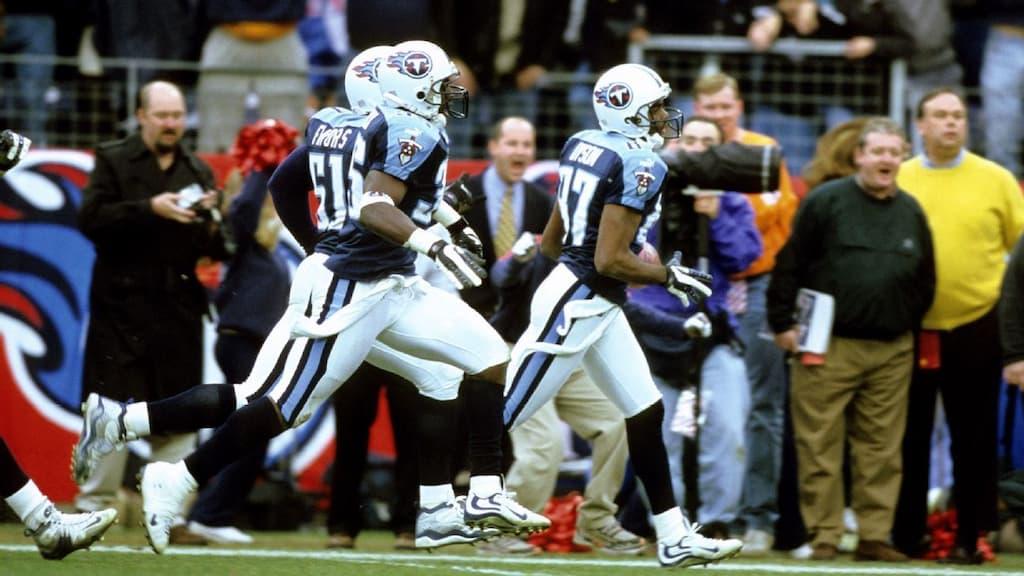
An unforgettable NFL bad beat came courtesy of the Music City Miracle in January 2000. The Buffalo Bills took a 16-15 lead over the Tennessee Titans with only 16 seconds remaining in their AFC Wild Card matchup, seemingly putting themselves on the verge of advancing to the next round of the NFL playoffs.
But on the ensuing kickoff, however, Tennessee used a cross-field lateral from Frank Wycheck to Kevin Dyson, who raced 75 yards for a touchdown and a stunning 22-16 win. The Titans were 4.5-point favorites, so the miraculous touchdown also turned what looked like a Buffalo cover into a Tennessee cover in a matter of seconds.
Stat corrections can create a different kind of heartbreak. In a January 2025 NBA game, Russell Westbrook appeared to have recorded a double-double for the Denver Nuggets against the Philadelphia 76ers. An assist was subsequently removed from his total, leaving him with nine assists and turning affected double-double wagers into losses.
Then there are endings that would seem unrealistic even in a movie. The famous 1982 Stanford-Cal game ended with California returning a kickoff through a series of laterals as the Stanford band entered the field prematurely. Cal scored the winning touchdown as time expired for a 25-20 victory in one of the most memorable endings in college football history.
Not every extraordinary finish produces the same result at every sportsbook because bettors can hold different lines and odds. But games like these illustrate why bad beats have become such a recognizable part of betting culture.
Sometimes the difference between cashing a ticket and tearing it up really can come down to one final, bizarre sequence.
The Bottom Line About Bad Beats in Sports Betting
Bad beats are one of the most frustrating realities of sports betting, but they are also an inevitable consequence of wagering on unpredictable events.
You can research a matchup thoroughly, find a favorable line, manage your bankroll responsibly, and still watch a winning position disappear in the final seconds. That doesn't necessarily make your wager a bad one.
Learning to separate the quality of your decision from the outcome of an individual bet is an important step in becoming a more disciplined bettor.
There are ways to put yourself in better positions, including finding favorable lines, understanding sportsbook rules, and using sensible bankroll management. There is no strategy, however, that can remove bad beats from sports betting entirely.
Sooner or later, a ridiculous final play will probably cost you a bet.
Another one might save you.
The bad beats themselves aren't something you can control. How you respond to them is.