How to Handicap an NFL Game: A Step-by-Step Guide

Written by: Eddie Griffin
Last Update: Sun Aug 30, 2026, 8:09 pm ET
Read Time: 18 minutes
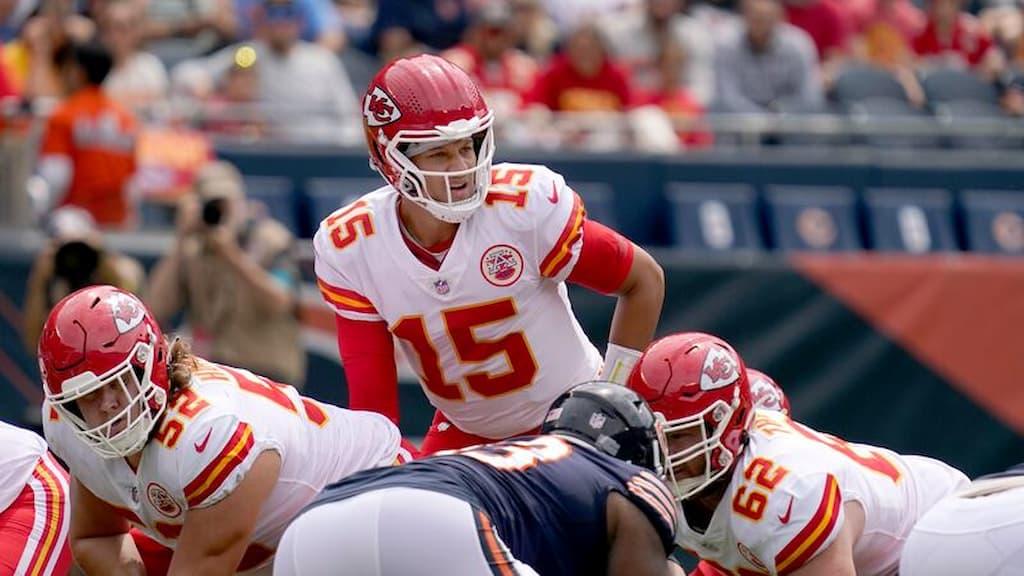
Handicapping an NFL game involves much more than comparing two teams' records, looking at the quarterbacks, or deciding which team you think will win.
Every matchup presents a different combination of offensive and defensive strengths, injuries, line play, coaching, weather, scheduling circumstances, and other factors that can influence how the game unfolds. A team that appears stronger over the course of a season may not have the same advantage against a particular opponent.
That makes matchup analysis an essential part of NFL betting. With only 272 regular-season games each season, bettors also have far fewer opportunities than they do in sports such as baseball or basketball, making it important to be selective rather than feeling compelled to bet every game.
A consistent handicapping process can help you identify the information that matters, evaluate potential advantages and disadvantages, and determine whether a matchup provides a worthwhile betting opportunity.
This guide explains how to handicap an NFL game step by step, which factors deserve the most attention, and how to put your NFL betting knowledge into action.
What Does It Mean to Handicap an NFL Game?
Handicapping an NFL game means evaluating the matchup, estimating how likely different outcomes are, and comparing those expectations with NFL game odds available at sportsbooks such as Lucky Rebel and BetOnline.
The goal isn't simply to identify the better team or predict which team will win. You are trying to determine whether the betting market accurately reflects the matchup.
For example, a Super Bowl contender may be more likely to win but still be a poor bet as a substantial favorite. An inferior team may have enough matchup advantages to cover the spread, while your analysis could also point toward a total, player prop, or another market instead of either side.
Effective handicapping brings your football analysis and the betting odds together. You may finish researching a game with a strong opinion about how it will unfold and still decide there isn't enough value to place a bet.
How to Handicap an NFL Game
There is no single formula for handicapping football. Different bettors use different statistics, models, film study, matchup information, and weighting systems.
However, following a consistent process can help you evaluate the factors most likely to influence an NFL game without becoming distracted by every statistic, storyline, trend, or opinion surrounding the matchup.
What to Consider When Handicapping an NFL Game
The following 12 steps provide a framework for evaluating an NFL matchup from start to finish. Work through each area to identify the factors that matter most, determine how they could influence the game, and ultimately decide whether the available betting odds provide an opportunity worth pursuing.
-
Establish the Overall Quality of Each Team
Start by establishing a baseline for how good each team actually is.
Win-loss records are useful, but they don't always provide a complete picture. Offensive and defensive efficiency, scoring margin, strength of schedule, and underlying performance can help identify teams that may be better or worse than their records suggest. Advanced metrics such as Expected Points Added (EPA) and Success Rate can provide additional context.
Recent form should also factor into your evaluation, but don't allow one impressive win or ugly loss to outweigh the larger body of evidence without a good reason. Personnel changes, improved line play, or schematic adjustments may signal meaningful improvement or decline, while turnovers, unusual plays, or favorable matchups can produce results that are unlikely to repeat.
You don't need to analyze every available statistic. The objective is to develop a general assessment of each team's current strengths, weaknesses, and overall quality before turning your attention to how the teams match up.
-
Check Injuries and Player Availability
Next, determine which players are expected to be available and whether anyone may be limited.
Quarterback injuries can dramatically change a matchup, but injuries at other positions can also create significant advantages. Missing offensive linemen, cornerbacks, pass rushers, or skill-position players may change what a team can reasonably expect to do well.
Consider the effect of an absence rather than simply the player's name. A depleted secondary becomes especially important against a strong passing offense, while offensive-line injuries can be magnified against an effective pass rush.
Also distinguish between being active and being fully healthy. A player who suits up may still have physical limitations or a reduced role.
-
Analyze How Each Offense Matches Up With the Opposing Defense
With a baseline established and player availability considered, identify where each offense may have an advantage or disadvantage.
What does each offense do particularly well, and is the opposing defense equipped to stop it? Conversely, does either defense have a weakness that its opponent is well suited to exploit?
A strong offense can encounter an unfavorable matchup, while an inconsistent offense may possess a particular strength capable of attacking its opponent's biggest weakness.
At this stage, focus on identifying the areas most likely to shape the game. The next several steps can then help you determine how significant those matchup advantages actually are.
-
Study the Offensive and Defensive Lines
Start the detailed matchup analysis at the line of scrimmage.
Determine whether each offensive line can protect its quarterback and create running opportunities, then compare those strengths and weaknesses with the opposing defensive front.
Pressure matters even when it doesn't produce sacks. Consistent disruption can force quarterbacks to throw earlier than intended, limit deeper routes, and create negative plays. A strong offensive line, meanwhile, can give an offense more options in both the passing and running games.
You don't need to evaluate every lineman individually. Focus on whether either team has a meaningful advantage in pass protection, pass rush, or run blocking and how that advantage could affect the rest of the matchup.
-
Evaluate the Quarterbacks and Passing Matchups
Quarterback play is one of the most important components of an NFL handicap, but it should be evaluated within the context of the entire passing matchup.
Consider each quarterback's efficiency, accuracy, decision-making, mobility, sack avoidance, and performance under pressure. Then look at the players and schemes around him.
Can the opposing defense cover the offense's primary receiving threats? Is there a particular cornerback, coverage scheme, or area of the field the offense may be able to attack? How effectively does the quarterback handle the type of pressure or coverage he is likely to see?
The objective isn't simply to determine which team has the better quarterback. Determine which passing offense has the more favorable matchup and how significant that advantage could be.
-
Evaluate the Running Game
Next, determine whether either team can create a meaningful advantage on the ground.
Consider rushing efficiency, run blocking, the opposing run defense, and quarterback mobility rather than relying solely on running-back yardage.
Also consider how important the rushing matchup is likely to be. A team that prefers to run may struggle to maintain that approach if it falls behind, while an effective rushing attack can help a favorite control possession and protect a lead.
The running game can also influence play action and short-yardage situations. Focus on how rushing success or failure could affect what each offense is able to do rather than simply comparing season-long rushing statistics.
-
Consider Coaching, Scheme, and Play-Calling
Once you've identified the most important personnel and unit matchups, consider how each coaching staff may approach them.
Play-calling tendencies, pace, aggressiveness, personnel usage, and offensive and defensive schemes can determine whether teams are positioned to exploit their advantages.
For example, an aggressive defense may create opportunities for an offense that handles pressure well, while a vulnerable run defense could encourage an opponent to run more frequently than usual.
Avoid relying heavily on coaching reputation or narratives about one coach consistently beating another. Focus on specific strategic decisions and schematic tendencies that could affect the matchup you're handicapping.
-
Evaluate Special Teams
Special teams generally shouldn't drive an entire handicap, but they can become important when the teams are closely matched.
Consider place-kicking reliability, punting, returns, coverage units, and field position. A significant advantage in one of those areas can become more meaningful in a game expected to be decided by a small margin.
Special teams performance can also interact with other parts of your handicap. Difficult kicking conditions or an offense that frequently stalls around field-goal range, for example, can increase the importance of place-kicking.
Treat special teams as another potential advantage or disadvantage rather than searching for a bet based primarily on them.
-
Consider External and Situational Factors
Weather forecasts and playing conditions, rest, travel, and scheduling circumstances can affect an NFL matchup, but their importance varies from game to game.
For outdoor games, determine whether wind, precipitation, extreme temperatures, or field conditions could realistically affect passing, kicking, ball security, or play-calling. Consider how the conditions affect the specific teams involved rather than automatically associating poor weather with lower scoring.
Scheduling can create similar advantages or disadvantages. Short rest, additional preparation following a bye, international travel, or consecutive road games may affect recovery and preparation.
Don't automatically fade a team because it traveled or bet based on a supposed look-ahead spot. Determine whether the circumstances create a practical reason to adjust your expectations.
-
Look at Relevant Trends and Statistical Splits
Trends and statistical splits can add useful context when there is a logical reason they apply to the matchup.
Home and road performance, quarterback results under pressure, performance against particular defensive styles, and other splits may support or challenge conclusions you've already reached.
However, historical results don't explain themselves. Personnel, coaches, opponents, injuries, and betting lines change over time. The same principle applies when fading the public. Heavy public support for one side isn't enough by itself to make the other side a good bet.
Ask why a trend or split should matter in this particular game. If you can't identify a convincing football reason, it probably shouldn't carry much weight in your handicap.
-
Think About the Expected Game Script
After evaluating the individual factors, put them together and consider how the game may unfold.
Which team is more likely to lead? How might each offense respond if it falls behind? Can an underdog continue relying on its running game if it trails by multiple possessions? Could a favorite's defensive advantage become even stronger when the opponent is forced into predictable passing situations?
Expected game script can affect spreads and totals as well as player props.
You won't predict exactly what happens. Instead, consider several realistic paths through the game and determine whether they generally support or challenge your overall assessment of the matchup.
-
Compare Your Handicapping with the Odds
Finally, compare what you've learned with the available betting market.
You can correctly determine that one team has the better quarterback, stronger offensive line, and more favorable matchup and still make a poor wager if the sportsbook has already accounted for those advantages.
The significance of a spread difference can also depend on whether the number crosses one of the NFL's key numbers. Suppose your analysis suggests a team should be favored by approximately four points. A spread of -2.5 could be appealing, while -6.5 may cause you to reconsider the matchup from the other side.
The same principle applies to moneylines, totals, team totals, and props. Pay attention to the number or price available and compare odds across sportsbooks when appropriate. Also account for the juice attached to a wager, as two sportsbooks offering the same number may not offer the same price.
Your handicap doesn't end when you decide what you expect to happen. It ends when you determine whether the betting market gives you a worthwhile way to act on that expectation.
NFL Handicapping Checklist
A consistent checklist can help you work through an NFL slate without overlooking important information.
| What to Check | Key Question |
| Overall Team Quality | How good are these teams beyond their win-loss records? |
| Injuries & Availability | Which absences or limitations materially change the matchup? |
| Offense vs. Defense | Where does each offense have favorable or unfavorable matchups? |
| Line Play | Which team has an advantage in protection, pass rush, and run blocking? |
| Quarterbacks & Passing | How does each quarterback and passing game match up with the opposing defense? |
| Running Game | Can either team create a meaningful advantage on the ground? |
| Coaching & Scheme | Can either coaching staff exploit the matchup strategically or schematically? |
| Special Teams | Could kicking, punting, returns, or field position affect the game? |
| External & Situational Factors | Could weather, playing conditions, rest, travel, or scheduling affect the matchup? |
| Trends & Splits | Do any relevant trends or statistical splits add useful context? |
| Game Script | How could the matchup change depending on which team leads? |
| Betting Market & Odds | Does the available market provide value based on your handicap? |
| Sportsbooks | Can you find a better number or price elsewhere? |
You don't need an advantage in every category to justify a bet. One significant matchup advantage may be enough, while several smaller advantages can combine to strengthen your opinion.
The checklist is designed to help you build a complete picture rather than find a reason to bet. Sometimes you will work through the entire process and conclude that the sportsbook has priced the matchup appropriately.
Passing when you can't identify sufficient value is part of handicapping NFL games effectively.
How to Turn Your NFL Handicap into a Bet
Once you have handicapped the matchup, determine which betting market best reflects your analysis. You don't have to automatically bet the point spread simply because you believe one team has an advantage.
If an underdog has a realistic chance to win outright, the moneyline may be more appealing than taking the points. If a favorite has multiple matchup advantages but an expensive moneyline, the spread may offer better value.
Your handicap may also point toward how the game will be played. A matchup likely to produce or limit scoring could lead toward an over/under bet on the game or a team total. If your strongest edge involves a player, a prop bet may provide a more direct option.
Alternate lines and live betting provide additional possibilities, while parlays and same-game parlays can combine multiple conclusions about how you expect the game to unfold.
Focus on the market that most directly reflects your strongest conclusion and offers sufficient value rather than making every bet your handicap supports.
When you place your bets also matters. Betting earlier may secure a favorable number before line movement occurs, while waiting can provide more information about injuries, weather, player workloads, and other factors.
Consider what could change your assessment. You can evaluate games early, identify unresolved factors, and revisit the matchup later in the week.
If new information or significant line movement changes your assessment after you've placed a wager, consider whether to hedge your bet(s). Hedging can help adjust an existing position when the matchup or available odds have changed, but it isn't always necessary.
Sometimes, after considering the market, price, and timing, the best decision is not to bet the game.
Common NFL Handicapping Mistakes
Even a strong handicapping process won't eliminate losing bets. NFL games contain too much uncertainty for every well-researched wager to unfold as expected.
Some losses will come from poor handicapping decisions, while others will simply be bad beats in games that didn't finish the way your analysis suggested they would.
However, avoiding common mistakes can help you evaluate matchups and betting opportunities more consistently.
Overvaluing Win-Loss Records
Win-loss records tell you what teams have accomplished, but they don't always tell you how well they have played or how they match up with their next opponent.
Strength of schedule, close-game results, turnovers, injuries, and underlying performance can provide important context. Use records as part of your evaluation rather than allowing them to define it.
Giving the Quarterback Matchup Too Much Weight
Quarterback is the NFL's most important position, but a significant advantage at quarterback doesn't automatically make one side a good bet.
Protection, receiving options, the opposing pass rush and coverage, coaching, and the betting line all influence the value of that advantage. Consider quarterback play within the larger matchup instead of reducing the game to a comparison between the two starters.
Misjudging the Impact of Injuries
Don't evaluate injuries solely by the name recognition of the player who is missing.
An injury becomes particularly important when it creates a weakness the opponent is equipped to exploit. The absence of an offensive lineman, cornerback, pass rusher, or other non-star player can sometimes have a greater effect on a specific matchup than a more recognizable absence elsewhere.
Focus on what changes because of the injury.
Relying on Trends and Narratives Instead of the Matchup
Head-to-head history, ATS trends, revenge angles, look-ahead spots, and other narratives can attract attention without providing much predictive value.
Before allowing one to influence your handicap, identify a football reason it should matter in the current matchup. If the players, coaches, circumstances, or conditions responsible for a historical trend have changed, the past results may have little relevance.
Finding the Winner but Ignoring the Price
Correctly identifying the team most likely to win doesn't automatically make that team worth betting.
Sportsbooks account for team quality and obvious matchup advantages when setting odds. A favorite can be the better team and still be overpriced, just as an underdog can offer value without being the most likely winner.
Your handicap should ultimately determine whether your expectations differ enough from the available number or price to justify a wager.
Best Resources for Handicapping NFL Games
NFL bettors have access to extensive statistical, injury, matchup, weather, and film information. Useful resources can range from official NFL statistics and injury reports to advanced analytics, historical data, weather forecasts, and tools for researching individual matchups.
You don't need to use every available resource to handicap a game effectively. Focus on information that helps you evaluate the matchup and betting market rather than collecting data simply because it is available.
Our NFL betting resources guide can help you find useful websites, tools, statistics, and other information for researching NFL games throughout the season.
Conclusion
Handicapping an NFL game means putting multiple pieces of information together rather than relying on one statistic, trend, or matchup factor. The most important considerations will vary from game to game, which is why a consistent but flexible process matters.
Once you've evaluated the matchup, compare your expectations with the available betting odds and determine whether there is enough value to act.
The goal isn't to find a bet on every NFL game. It's to put your betting knowledge into action when the matchup and the available odds give you a reason to do so.
Other Betting Information
Other NFL Content by Betting News
Do you find our NFL handicapping guide useful? It is just one piece of the NFL content we churn out year-round. Check out some of our other NFL content, and bookmark Betting News so you don't miss anything.
This guide is just one of many sports betting guides available at Betting News. If you want to learn a type of bet, how to bet on a sport, league, or event, or understand a betting strategy, we have you covered.
Here are other guides we have for major leagues and competitions:
- NBA Betting Guide
- MLB Betting Guide
- NHL Betting Guide
- College Football Betting Guide
- College Basketball Betting Guide
- WNBA Betting Guide
- Soccer Betting Guide
- Tennis Betting Guide
- Formula 1 Betting Guide
- NASCAR Betting Guide
- Understanding Prop Bets
- What Are Futures Bets?
And in addition to our Super Bowl hub and betting guides, we have many other hubs and guides connected to major events, including the FIFA World Cup, March Madness, all of the Triple Crown horse races (the Kentucky Derby, Preakness Stakes, and Belmont Stakes), the College World Series, and the golf and tennis majors.
Follow Betting News on Social Media
As noted above, we cover the NFL in great depth on our Twitch streams and our other social media channels. Follow us on Twitch, Twitter, TikTok, and YouTube for frequent NFL betting insight from our content team.
Learn About Where to Bet on Sports
At Betting News, we have in-depth reviews of many top online sportsbooks, including Lucky Rebel, BetOnline, and Everygame, as well as top Canadian sportsbooks, international sportsbooks, and VPN-friendly crypto sportsbooks for U.S. players.
Learn About Other Types of Gambling
We don't just cover sports betting, either. Prediction markets like Polymarket are on the rise, and we are ramping up our coverage of that sector.
Outside of sports and sports betting, we also have a slew of resources dedicated to casino gambling and online poker.
Do you love to play online slots, blackjack, roulette, and other popular online casino games? Check out our catalog of casino guides and learn all you need to know to play your favorite games at the best online casinos.
Do you like to play Texas Hold'em or Five Card Draw while competing for real money against other players around the world? Check out our online poker guides and explore our recommendations of top online poker sites.
Remember, betting on the NFL and any other sport or league should be for entertainment and enjoyment. Always bet responsibly and utilize good bankroll management.
But if you find yourself having trouble sticking to responsible gambling practices, take a step back and/or use resources such as the National Council on Problem Gambling to get the help you may need.