Fading the Public in Sports Betting: When Should You Do It and Does It Work?

Written by: Eddie Griffin
Last Update: Thu Aug 27, 2026, 8:58 am ET
Read Time: 14 minutes
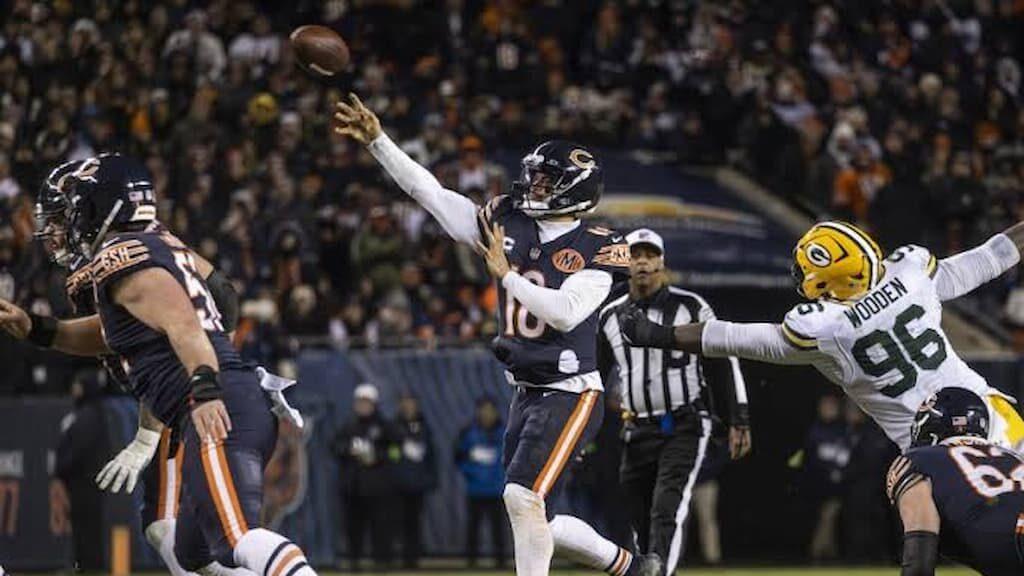
Sports bettors frequently hear about "fading the public." But what does it mean? The idea is simple: if most recreational bettors are backing one side of a game, bet on the other side and take advantage of a potentially mispriced betting line.
There is some logic behind the strategy. Public bettors can gravitate toward favorites, popular teams, star players, overs, and whatever happened most recently. Sportsbooks are well aware of those tendencies, and betting markets don't always move solely because one team suddenly has a better chance of winning.
But consistently winning at sports betting isn't as simple as finding out which team the public likes and betting against it.
Whether you are betting on NFL odds, MLB odds, college football odds, WNBA odds, or soccer odds, fading the public can provide useful information when evaluating a betting market. However, public betting percentages need context.
In this guide, we look at what fading the public means, when it can be useful, and why blindly betting against the public can be a mistake.
What Does Fading the Public Mean in Sports Betting?
Fading the public means betting against a side or outcome that is receiving a large percentage of bets from the general betting public.
Suppose an NFL point spread favorite is receiving 75% of the bets. A bettor looking to fade the public might consider taking the underdog instead.
The strategy is based on the idea that recreational bettors don't always make decisions based strictly on value. They may prefer recognizable teams, favorites, overs, star players, or teams that have performed well recently.
However, "the public" isn't one organized group. Public betting percentages simply provide a snapshot of where wagers are being placed at a particular sportsbook or across whatever sportsbooks are included in the data.
That distinction matters when deciding how much weight to give public betting information.
Why Do Sports Bettors Fade the Public?
Sportsbooks don't need equal betting action on both sides of every market, and betting lines aren't designed simply to guarantee a 50/50 split of wagers.
Still, sportsbooks must account for how bettors are likely to react to a line. Markets can move as sportsbooks react to betting activity and new information.
The number of bets is only one factor. Sportsbooks may also respond to how much money is being wagered, which customers are placing wagers, their exposure on an outcome, new information, and line movement at other sportsbooks.
That can potentially create a more appealing number on the less popular side.
For example, suppose an NFL favorite opens at -6.5 and attracts heavy betting. If the line eventually reaches -7.5, a bettor interested in the underdog can now get more than a touchdown.
The favorite isn't necessarily a bad bet because the public likes it. Instead, movement in the market may create a more attractive price on the other side.
Fading the public is therefore most useful as a way to look for potential value rather than as an automatic rule for choosing bets.
What Are Public Betting Percentages?
Public betting percentages show how betting activity is divided between the available outcomes in a market.
For a point spread, you might see:
- Team A -3: 70% of bets
- Team B +3: 30% of bets
That tells you Team A has received the majority of recorded wagers. It doesn't necessarily tell you where the majority of the money has been wagered.
It is also important to understand where these percentages come from. The numbers may represent wagers from one sportsbook, several sportsbooks, or another collection of betting data rather than the entire market.
Different sources can therefore display different percentages for the same game. Betting splits can also change as additional wagers are placed, particularly as game time approaches.
Public betting percentages are best viewed as a snapshot of the betting activity represented by a particular data source rather than a complete picture of the market.
Bet Percentage vs. Money Percentage
Bet percentage measures the number of individual wagers placed on each side. Money percentage measures the share of total dollars wagered.
Suppose a favorite receives 75% of bets but only 55% of the money. That could indicate that many smaller wagers are backing the favorite while larger wagers are more evenly distributed.
Alternatively, a team might receive only 35% of bets but 60% of the money, indicating that the average wager on that side is larger.
This can provide additional context, but it shouldn't automatically be interpreted as "public money" versus "sharp money." A large wager isn't necessarily placed by a professional bettor, and publicly available betting percentages don't tell you who placed individual wagers or why.
The differences between sharp and recreational sportsbooks also provide another reason not to assume that betting activity at one book represents the entire market.
Treat the numbers as information about the market rather than definitive evidence about which side knowledgeable bettors prefer.
What Can Influence Public Betting?
Recreational bettors can be influenced by biases, preferences, and outside factors when deciding what to bet. That can especially be the case when it comes to NFL picks and college football picks due to football's mainstream popularity and how much recreational betting interest it attracts.
Recognizing those tendencies can help explain why certain teams or outcomes attract more betting interest than others.
Betting on Popular Teams
High-profile teams naturally attract attention. An NFL team with a national following (such as the Dallas Cowboys or San Francisco 49ers) or an NBA team featuring superstar players may receive wagers from bettors who regularly bet on their favorite teams and players.
That doesn't mean popular teams are automatically overvalued, but their familiarity can influence betting demand.
Favoring Favorites
Recreational bettors can be attracted to favorites because laying the points (betting on the favorite) feels more comfortable than backing an underdog.
The problem is that sports betting isn't simply about predicting who wins. A favorite can win the game and still fail to cover the spread.
Preferring Overs vs. Unders
While the examples mentioned in this guide largely focus on spread betting (NFL spread betting, specifically), fading the public can apply to a variety of sports and types of bets. That includes over/under betting.
Many bettors would rather root for points, touchdowns, home runs, or goals than hope for a low-scoring game. That can make overs appealing.
Again, that doesn't make an under an automatic wager. It simply creates another potential public preference to consider.
Overreacting to Recent Results
Recency bias can have a significant influence on betting decisions.
A team that just won convincingly in a nationally televised game may suddenly look unbeatable, while a team coming off an ugly loss can become difficult for bettors to trust.
Neither performance necessarily represents what will happen next. Bettors should be careful not to overreact to recent results or put too much weight on short term betting trends and splits. If recent results cause the market to move too far in one direction, the opposing side could offer value.
Betting With Emotion
Bettors may also make decisions based on loyalty, narratives, media coverage, or personal opinions about teams and players.
These factors can influence public sentiment without necessarily changing the underlying probability of an outcome.
None of these tendencies means the popular side is wrong. They simply provide context for why one outcome may attract disproportionate betting attention.
When Can Fading the Public Be Useful?
Fading the public becomes more interesting when public betting aligns with other reasons to believe a line may have become less favorable.
One example is when a point spread moves across an important number. If an NFL favorite moves from -6.5 to -7.5, the underdog has gained a full point and crossed one of the most important key numbers in NFL betting, 7.
Similarly, a popular team coming off an impressive performance may attract heavy action even though its current matchup is significantly different. If the market places too much weight on the previous game, there may be value on the other side.
Major standalone events can also attract more recreational bettors. The Super Bowl, March Madness, NFL primetime games, and other high-profile events bring in people who may wager less frequently throughout the year.
None of these situations means you should automatically fade the popular side. They are reasons to investigate whether the betting line offers value.
How to Identify a Potential Public Fade
A useful public fade begins with the betting line and your own analysis, not simply with finding the most unpopular side.
Suppose an NFL favorite opens at -6.5. Your handicapping suggests that the underdog is worth considering around +7 or better.
The favorite receives a large majority of the recorded bets, and the market eventually moves to -7.5. Regardless of what caused the movement, the price available on the underdog has improved.
Instead of betting the underdog simply because most bettors prefer the favorite, you now have multiple reasons to consider it. Your original analysis supported the underdog, and the line has moved through the key number of 7.
You might then do some line shopping and find +8 at another sportsbook, which would eliminate the need to buy points and drink more juice to get the number you want.
That is very different from seeing that 75% of bets are on the favorite and automatically wagering on the other side. The public betting percentage provides context, but your handicap and the value of the available number ultimately determine whether the wager is worth making.
What Is Reverse Line Movement?
Reverse line movement occurs when a betting line moves in the opposite direction from what public betting percentages might lead you to expect.
Suppose 75% of spread bets are on Team A -4, but the line moves to Team A -3.5 rather than -4.5.
If most bettors are taking Team A, why did the line become more favorable for them?
One possible explanation is that larger or respected wagers have been placed on Team B. However, reverse line movement doesn't prove professional or "sharp" bettors are backing the less popular side.
Injuries, lineup changes, adjustments at other sportsbooks, differences between the betting data and broader market, and other new information can also contribute to line movement.
Reverse line movement is worth investigating because it gives bettors another reason to ask why a market is behaving a certain way. However, it isn't proof that one side is the correct bet.
Does Fading the Public Work?
There is no simple rule showing that betting against the public will consistently produce a profit. If there were, sports betting would be considerably easier.
Sportsbooks and betting markets already account for many common bettor tendencies, and teams that have been bet on heavily can still cover spreads or win outright. A team receiving 80% of wagers isn't automatically overpriced simply because the public likes it.
Public betting data also has limitations. Percentages can differ between sportsbooks and data providers, change throughout the day, and represent only part of the overall market.
Most importantly, knowing which side is popular doesn't tell you whether the current odds are incorrect.
A successful contrarian bet still needs value. Taking an underdog at +7.5 might make sense if you believe it should only be +6. Taking the same underdog at +5 simply because 80% of bettors are on the favorite is an entirely different proposition.
Should You Always Bet Against the Public?
No. Blindly betting against the public replaces one simplistic betting strategy with another and can become one of the many common betting mistakes bettors make when they rely on a single factor to choose wagers.
If your handicap indicates that the popular side offers value, you shouldn't automatically abandon the wager because other bettors reached the same conclusion.
Likewise, don't bet an underdog or an under simply because it is unpopular. Being contrarian only helps if the less popular side is available at a favorable price. Of course, even wagers made when value is there can still end in bad beats, such is the nature of the sports betting beast.
Public betting information is best used as one piece of a larger handicapping process. Consider injuries, matchups, statistics, weather forecasts and conditions, scheduling, line movement, and the odds themselves before making a decision.
The objective isn't to be different from everyone else. It is to make bets when you believe the available odds underestimate the probability of your chosen outcome.
Tips for Fading the Public in Sports Betting
If you use public betting information to help you determine which sports betting picks you should lock in, keep several principles in mind:
- Don't fade the public automatically. Heavy public action is a reason to examine a market, not an automatic signal to bet the opposite side.
- Compare bet and money percentages. Differences between bet count and money wagered can provide additional context.
- Check multiple sources when possible. Public betting percentages can vary between sportsbooks and data providers.
- Watch the betting line. Pay attention to whether market movement creates a more favorable number.
- Consider key numbers. In NFL betting, movement across numbers such as 3 or 7 can materially change the value of a point spread.
- Look for reasons behind public sentiment. Recent blowouts, winning streaks, star players, popular teams, and major media narratives can influence betting behavior.
- Don't automatically label wagers as sharp or public. Betting splits generally don't provide enough information to know who placed individual wagers.
- Do your own handicapping. Public betting percentages should complement matchup analysis rather than replace it.
- Shop for the best odds. Compare sportsbooks to make sure you are getting the best available number.
Should You Fade the Public in Sports Betting? Our Verdict
Fading the public can be useful, but it isn't a shortcut to profitable sports betting.
Public bettors can favor popular teams, favorites, overs, and recent winners, and market movement can sometimes create value on the opposite side. Public betting percentages can therefore provide useful context when analyzing a market.
But being on the unpopular side doesn't automatically make a wager good.
Instead of asking whether the public is right or wrong, focus on whether public sentiment and market movement have helped create a betting line or price that you believe is inaccurate. If your own analysis supports the less popular side and the market offers favorable value, fading the public may make sense.
If your only reason for placing the bet is that everyone else appears to be betting the other way, you probably need a better reason.
Other Betting Information
This guide is just one of many sports betting guides available at Betting News. If you want to learn a type of bet, how to bet on a sport, league, or event, or understand a betting strategy or term, we have you covered.
Here are other guides we have for major leagues and competitions, types of bets, betting strategy, and sports betting terminology:
- Beginner's Guide to Betting on Sports
- NFL Betting Guide
- NBA Betting Guide
- MLB Betting Guide
- NHL Betting Guide
- College Football Betting Guide
- College Basketball Betting Guide
- WNBA Betting Guide
- Golf Betting Guide
- Formula 1 Betting Guide
- NASCAR Betting Guide
- UFC Betting Guide
- What Are Futures Bets?
- How to Manage Your Sports Betting Bankroll
- When Should You Hedge Your Bets?
- Can Sports Betting Be Profitable?
And in addition to our Super Bowl hub and betting guides, we have many other hubs and guides connected to major events, including the FIFA World Cup, World Series, all of the Triple Crown horse races (the Kentucky Derby, Preakness Stakes, and Belmont Stakes), the College World Series, and the golf and tennis majors.
Follow Betting News on Social Media
As noted above, we cover the NFL in great depth on our Twitch streams and our other social media channels. Follow us on Twitch, Twitter, TikTok, and YouTube for frequent NFL betting insight from our content team.
Learn About Where to Bet on Sports
At Betting News, we have in-depth reviews of many top online sportsbooks, including Lucky Rebel, BetOnline, and Everygame, as well as top Canadian sportsbooks, international sportsbooks, and VPN-friendly crypto sportsbooks for U.S. players.
Learn About Other Types of Gambling
We don't just cover sports betting, either. Prediction markets like Polymarket are on the rise, and we are ramping up our coverage of that sector.
Outside of sports and sports betting, we also have a slew of resources dedicated to casino gambling and online poker.
Do you love to play online slots, blackjack, roulette, and other popular online casino games? Check out our catalog of casino guides and learn all you need to know to play your favorite games at the best online casinos.
Do you like to play Texas Hold'em or Five Card Draw while competing for real money against other players around the world? Check out our online poker guides and explore our recommendations of top online poker sites.
Remember, betting on the NFL and any other sport or league should be for entertainment and enjoyment. Always bet responsibly and utilize good bankroll management.
But if you find yourself having trouble sticking to responsible gambling practices, take a step back and/or use resources such as the National Council on Problem Gambling to get the help you may need.