MLB Run Line Betting: How and Where to Bet on Baseball Run Lines

Written by: Eddie Griffin
Last Update: Sat Sep 19, 2026, 1:33 pm ET
Read Time: 14 minutes
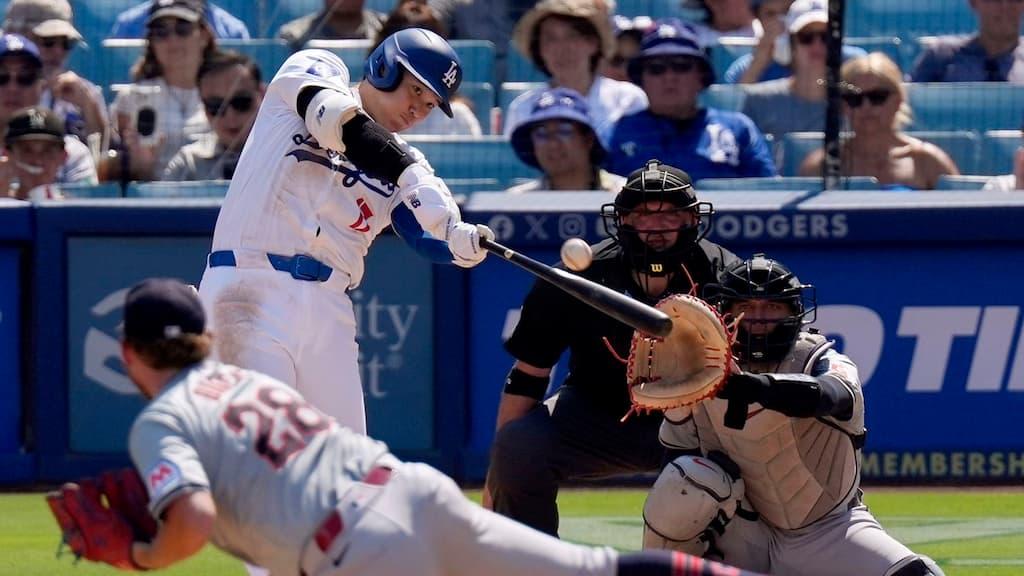
When betting on Major League Baseball odds, you should expect to see a few main options at U.S.-friendly online sportsbooks such as Lucky Rebel and BetOnline. One of those options is run line betting.
Betting on the point spread is one of the most popular ways to bet on many sports.
Spread betting goes by different terms in different sports. In soccer betting, the spread is known as the goal line or handicap. When betting on NHL odds, spread bets are known as puck line bets. And in baseball betting, spread betting is known as run line betting.
Here, we will break down the basics of betting on baseball run lines. Also, we will give you the skinny on the best places to bet on run line odds.
Check Out Our MLB Guides Hub »
Where Can You Bet on MLB Run Line Odds?
Across a variety of team and individual sports, spread betting is one of the most popular ways to wager. As such, you can find MLB run line odds at almost all top online sportsbooks.
That includes the sites you will find on our MLB odds page. On that page, you can compare run line odds from Lucky Rebel, BetOnline, Everygame, and more.
Are you unfamiliar with any of these betting sites and would like to learn more about them? We have in-depth sportsbook reviews for each of these sportsbooks and many more.
Get Daily MLB Run Line Picks at Betting News
Along with helping bettors compare run line odds and streamline their line shopping, Betting News offers free MLB consensus picks for every game every day.
Moneyline, run line, and total (over/under) picks from trusted sports betting industry sources match up with MLB odds from Lucky Rebel and other top MLB betting sites to come up with the recommended picks for each game.
What Is Run Line Betting?
While different terms are used in different sports, the principles of spread betting are largely the same whether you are betting on NFL odds, MLB odds, NBA odds, or NHL odds.
If you are betting on the spread favorite, the favorite must win by at least a certain number of points, runs, goals, etc.
If you are betting on the spread underdog, the underdog must either win outright (if betting on a full game or a specified length of time) or lose by fewer than a certain number of points, runs, goals, etc.
Why Is It Called the Run Line?
In baseball, the spread is known as the run line because the handicap is measured in runs rather than points. It serves the same basic purpose as a point spread in football or basketball or a puck line in hockey.
The standard MLB run line is -1.5 for the favorite and +1.5 for the underdog. Football and basketball spreads can vary widely between matchups. Baseball sportsbooks generally keep the standard run line at ±1.5 and adjust the odds attached to each side.
Those prices can differ considerably from the familiar -110 odds often associated with football and basketball spreads. A favorite may offer plus money at -1.5, while backing the underdog at +1.5 may require a larger stake relative to the potential profit.
Below is a hypothetical example featuring the Boston Red Sox (road team) and New York Yankees (home team), one of the biggest rivalries in sports.
Moneyline
- Boston Red Sox +145
- New York Yankees -170
Run Line
- Boston Red Sox +1.5 (-150)
- New York Yankees -1.5 (+130)
For the favored Yankees to cover the run line, they must win by two or more runs.
For the Red Sox to cover, they can either win the game outright or lose by exactly one run.
Neither standard run line can result in a push because the 1.5-run handicap eliminates the possibility of a tie after the handicap is applied.
Because so many MLB games are decided by a single run, understanding how run line bets work can help bettors determine when the run line offers better value than simply betting the moneyline.
How Do MLB Run Line Odds Work?
Most MLB run lines are set at -1.5/+1.5. Sportsbooks generally adjust the attached odds rather than the handicap to reflect the matchup.
Imagine the Los Angeles Dodgers are heavy favorites at home against the Colorado Rockies. At Lucky Rebel, hypothetical moneyline odds might look like this:
- Los Angeles Dodgers -250
- Colorado Rockies +210
The run line might be:
- Los Angeles Dodgers -1.5 (+105)
- Colorado Rockies +1.5 (-125)
The Dodgers offer a larger potential payout at -1.5 because winning by at least two runs is harder than winning outright. Conversely, Colorado's +1.5 handicap protects against a one-run loss. That protection comes with a smaller potential payout than backing the Rockies on the moneyline.
A bigger payout does not automatically make the run line better value. You must weigh the price against the team's chances of covering.
At +130, a -1.5 run line bet needs to win more than approximately 43.5% of the time to be profitable over the long term. Assess whether the team has a better chance than that of winning by at least two runs. Similarly, an underdog's +1.5 protection is only worth taking at a reasonable price.
Before betting, check the sportsbook's settlement rules. Confirm whether extra innings count and whether a starting pitcher change could void your wager. Shortened or suspended games also require attention: an official MLB result does not necessarily mean the sportsbook's requirements for settling your run line bet have been met.
What Matters When Betting the Run Line for MLB Games?
Not every baseball matchup is equally suited for a run line bet. While every game is unique, knowing how to handicap an MLB game can help a bettor confidently determine whether laying -1.5 runs with a favorite or taking +1.5 runs with an underdog offers the better opportunity.
Starting Pitching
Analyzing starting pitching matchups is particularly important for run line betting. An ace facing a struggling lineup gives a favorite a better chance of building a multi-run lead. On the other hand, evenly matched starters can increase the likelihood of a close game that favors the underdog on the run line.
Bullpen Strength
Run line bettors should also pay close attention to each team's bullpen. Even if a favorite leads comfortably through six innings, an unreliable relief corps can allow late runs that turn a two-run victory into a one-run win. Likewise, strong bullpens often help underdogs stay within striking distance.
Offensive Firepower
Teams with powerful offenses are generally better equipped to cover the run line because they have a greater chance of extending leads throughout the game. Clubs that consistently score runs can create the separation needed to cash -1.5 tickets.
Bettors may be especially inclined to target the run line in a matchup where weather conditions can be impactful. If a team is favored and has a lineup suited to benefit from a home run-friendly wind forecast, a run line bet may carry significant appeal.
Expected Scoring
The game total provides a useful starting point for assessing the expected scoring environment. A low total leaves less room for a favorite to build a multi-run advantage. A higher total suggests more scoring opportunities, but those opportunities can also help an underdog erase a deficit or keep pace.
Consider how each team is expected to contribute to that total. A high-scoring matchup does not automatically make the favorite a good -1.5 bet. You still need to evaluate the likely winning margin and the odds available.
Home vs. Road Teams
Batting opportunities can matter when evaluating a run line bet. In a full nine-inning game, the road team bats in the ninth even when it leads. That gives it another chance to add insurance runs. A home team that leads after the top of the ninth does not bat again.
That difference can produce frustrating losses for bettors backing a home favorite at -1.5. The visiting team might trim a two-run deficit to one in the ninth. If the home team holds on, it wins the game without getting another opportunity to extend its lead.
Walk-off situations also matter. When a home team breaks a tie in the ninth inning or later, the game usually ends with a one-run margin. A multi-run walk-off home run can produce a larger margin, but an ordinary walk-off hit often leaves the home team short of covering -1.5.
One-Run Game Trends
Some teams play more close games than others, but their record in one-run games does not tell the whole story. Look at how often those games occur and whether the circumstances resemble the matchup you are evaluating.
Starting pitching and bullpen availability can change that outlook considerably. Injuries and lineup changes can also make earlier results less relevant. Use one-run game trends to support your matchup research rather than treating them as a prediction of the next game's margin.
When Should You Bet the Run Line?
If you are betting directly on the outcome of a game, moneyline and spread betting are your two primary options at sportsbooks such as Everygame and Bovada.
Choosing between them often comes down to value. This is especially important when betting on your favorite teams or players. That is because familiarity with a team can be useful as long as it does not outweigh an objective evaluation of the odds.
While moneyline bets simply require you to pick the winner, run line bets can offer better payouts on favorites or additional protection when backing underdogs.
Bet the Favorite on the Run Line When…
The favorite's run line is worth considering when your research supports a multi-run victory and the odds offer a fair return for that requirement. A strong team or a significant starting pitching advantage can support the case, but an expensive moneyline alone does not make -1.5 the better bet.
Imagine the Los Angeles Dodgers hosting the Colorado Rockies as hypothetical -275 moneyline favorites. The -1.5 run line would offer a larger potential profit for the same stake. Whether it offers better value depends on the run line price and how likely the Dodgers are to win by at least two runs.
Favorites can also be attractive run line bets when they feature:
- A dominant starting pitcher
- A significant offensive advantage
- A reliable bullpen capable of protecting late leads
- A favorable matchup against a struggling opponent
Bet the Underdog on the Run Line When…
You should consider taking an underdog at +1.5 when you expect a competitive game but don't feel as confident about an outright upset. The extra run and a half allows your bet to win even if the team loses by one.
Strong starting pitching and a dependable bullpen can support that approach. However, the added protection comes at a cost through a smaller potential payout than the moneyline. Compare both prices before deciding whether that protection is worth paying for.
Resources such as Baseball Reference and Team Rankings can help identify teams that regularly play one-run games or outperform expectations against the run line.
When to Avoid the Run Line
There are also situations where sticking with the moneyline may be the better choice.
Low-scoring pitchers' duels often produce one-run games, making it more difficult for favorites to cover -1.5. Evaluating MLB pitcher props such as strikeout props and outs recorded props can also provide additional insight into how sportsbooks expect the starting pitchers to perform.
Likewise, teams with inconsistent offenses may win the game but fail to create enough separation to cover the run line.
As with any wager, comparing prices across multiple sportsbooks and considering factors such as the starting pitching matchup, bullpen quality, offensive production, and recent team trends can help you determine whether the moneyline or run line offers the better betting value.
Alternative Run Lines
While the traditional MLB run line is set at -1.5 and +1.5 runs, Lucky Rebel, BetOnline, and many other online sportsbooks also offer alternative run lines. These alternate run lines allow bettors to take on more or less risk in exchange for different odds.
For example, instead of betting a favorite at -1.5 runs, you may have the option to back that team at -2.5 or even -3.5 runs for a larger potential payout.
Conversely, bettors who like an underdog may be able to take +2.5 runs or +3.5 runs, though those wagers typically come with much shorter odds because they provide additional protection.
Some sportsbooks also offer whole-number alternate run lines, such as -1 or -2. These differ from the standard ±1.5 market because a push is possible. If you back a team at an alternate -2 and it wins by exactly two runs, the bet pushes and the sportsbook returns your stake.
Alternative run lines let you choose a handicap that fits your assessment of the matchup. Expecting a comfortable victory might lead you to consider -2.5 instead of -1.5, but the larger payout comes with a harder requirement to meet.
Taking an underdog at +2.5 instead of +1.5 provides more protection at a smaller potential return. In either case, better value depends on the price and the team's chances of covering the chosen line.
While alternate run lines can increase potential payouts or improve your margin for error, you should still use the same careful analysis that goes into any successful MLB betting strategy.
Check Out Our MLB Betting Guide »
Other Betting Information
Other MLB Content by Betting News
Want to dive deeper into becoming a better baseball bettor? Our MLB run line betting guide is just one of many sports betting guides available at Betting News. If you want to learn a type of bet, how to bet on a sport, league, or event, or understand a betting strategy or term, we have you covered.
Here are other guides we have for major leagues, competitions, sports betting terminology, and concepts and strategies:
- Beginner's Guide to Betting on Sports
- NFL Betting Guide
- NBA Betting Guide
- NHL Betting Guide
- College Football Betting Guide
- College Basketball Betting Guide
- WNBA Betting Guide
- Golf Betting Guide
- Formula 1 Betting Guide
- NASCAR Betting Guide
- UFC Betting Guide
- What Are Futures Bets?
- MLB Futures Bets: Types, Strategies, and More
- NRFI and YRFI Betting Guide
- What Are Same Game Parlays?
- What Does It Mean to Lay or Take the Points
And in addition to our World Series hub and betting guides, we have many other hubs and guides connected to major events, including the Super Bowl, FIFA World Cup, March Madness, all of the Triple Crown horse races (the Kentucky Derby, Preakness Stakes, and Belmont Stakes), the College World Series, and the golf and tennis majors.
Follow Betting News on Social Media
We also cover MLB in great depth through Betting News Network programming and on our social media channels.
Follow us on Twitch, Twitter, TikTok, and YouTube for frequent MLB betting insight from our content team.
Learn About Where to Bet on Sports
At Betting News, we have in-depth reviews of many top online sportsbooks, including Lucky Rebel, BetOnline, and Everygame, as well as top Canadian sportsbooks, international sportsbooks, and VPN-friendly crypto sportsbooks for U.S. players.
Learn About Other Types of Gambling
We don't just cover sports betting, either. Prediction markets like Polymarket are on the rise, and we are ramping up our coverage of that sector.
Outside of sports and sports betting, we also have a slew of resources dedicated to casino gambling and online poker.
Do you love to play online slots, blackjack, roulette, and other popular online casino games? Check out our catalog of casino guides and learn all you need to know to play your favorite games at the best online casinos.
Do you like to play Texas Hold'em or Five Card Draw while competing for real money against other players around the world? Check out our online poker guides and explore our recommendations of top online poker sites.
Remember, betting on Major League Baseball and any other sport or league should be for entertainment and enjoyment. Always bet responsibly and utilize good bankroll management.
But if you find yourself having trouble sticking to responsible gambling practices, take a step back and/or use resources such as the National Council on Problem Gambling to get the help you may need.