Google Bans Prediction Market Extensions on Chrome

Written by: Jonathan Rodriguez
Published: Mon Jul 13, 2026, 10:00 am ET
Read Time: 5 minutes
industry
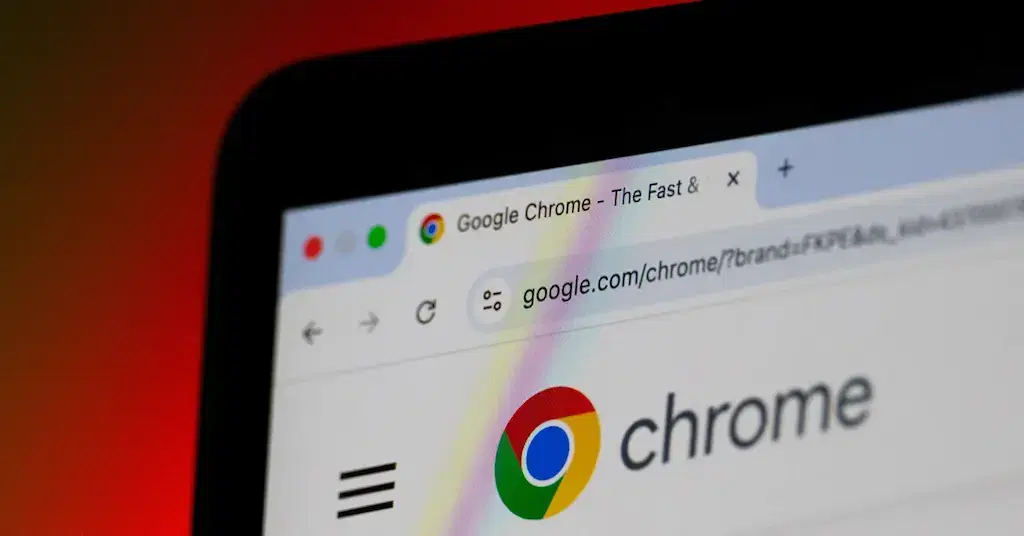
Google has updated its Chrome Web Store policies to ban prediction market extensions that promote or facilitate real-money event contracts.
The new rules take effect on August 1 and arrive as prediction market platforms face mounting legal challenges across the United States. The change also comes as these platforms continue expanding sports-related event contracts that increasingly resemble products offered by US online sportsbooks.
Although the update does not ban prediction market websites themselves, it limits how developers can distribute browser-based tools through Chrome. Users may still access prediction market platforms directly through their websites or mobile applications where those services remain available.
The timing is notable because prediction markets have become a flashpoint in the wider debate over sports wagering regulation. Several operators now offer contracts tied to sporting events, prompting regulators to argue that the products function similarly to traditional sports betting while avoiding state licensing requirements.
Google's Updated Chrome Policies Target Prediction Market Extensions
Google's revised Chrome Web Store Developer Program Policies prohibit extensions that execute, facilitate, or promote participation in real-money prediction markets.
As a result, developers can no longer publish browser tools that connect users directly to these markets through Chrome.
The policy specifically bars extensions that enable prediction market transactions, route trades to prediction market platforms, or provide integrated trading interfaces.
Likewise, Google will prohibit extensions that automate participation in real-money event contracts or otherwise encourage activity on those platforms.
Meanwhile, Google's broader policy update extends beyond prediction markets. The company also tightened privacy and security standards for Chrome extensions.
Their updated framework limits unnecessary data collection and requires greater transparency whenever developers collect user information.
In addition, Google introduced restrictions on extensions designed to bypass artificial intelligence safeguards or platform protections. Together, the changes aim to strengthen user security while reducing the distribution of extensions that could expose consumers to unnecessary risks.
Interestingly, Google's latest move creates an apparent contrast with another company initiative. While Chrome will no longer distribute qualifying prediction market extensions, Google Finance recently began displaying prediction market data alongside financial information.
That development has prompted discussion about Google's broader approach to the growing prediction market sector.
Sports-related Contracts Continue Fueling Legal Disputes
Google's policy update arrives as prediction markets remain locked in legal battles across multiple US states. The disputes largely center on sports-related event contracts that regulators argue closely resemble traditional sports wagers.
Platforms such as Kalshi have expanded their offerings to include contracts tied to professional and collegiate sporting events. Rather than placing conventional bets, participants buy contracts based on whether a particular outcome will occur before the event concludes.
Supporters argue these contracts fall under federal commodities regulations because they operate as event-based derivatives. State regulators disagree and contend that the products function as sports wagers regardless of their legal structure.
US States Drawing Their Lines on Prediction Markets
The legal fight has intensified throughout 2026. Massachusetts, New York, Minnesota, Ohio, Illinois, and Iowa have all taken action against prediction market operators or proposed legislation targeting their activities:
- New York Judge Analisa Torres denied Kalshi's motion for a preliminary injunction.
- Minnesota continues defending its authority to regulate sports-related event contracts.
- Ohio fined Kalshi $5 million and advanced legislation that would create a licensing framework for prediction markets operating in the state.
- The Massachusetts Supreme Judicial Court has expressed skepticism toward Kalshi's legal arguments during ongoing proceedings.
- Illinois enacted legislation that imposes taxes on prediction market activity
- Iowa lawmakers introduced a bill that would establish a licensing system and tax event contract operators.
State regulators consistently argue that prediction market platforms are circumventing state gambling laws by offering sports-related contracts without obtaining gaming licenses. They also contend that these operators avoid responsible gambling requirements, licensing fees, tax obligations, and integrity safeguards that apply to US online sportsbooks.
Prediction market operators maintain that federal commodities law preempts state gaming regulations because the contracts fall under the oversight of the Commodity Futures Trading Commission.
That disagreement continues driving lawsuits that could ultimately determine whether sports-related event contracts belong under federal financial regulation or state gambling laws.
Google's Extension Ban Could Reduce Platform Visibility
Google's policy will not prevent consumers from visiting prediction market websites directly. However, it could reduce the visibility and convenience of these platforms by eliminating browser extensions that streamline access and trading.
Many extensions offered users quick portfolio tracking, notifications, and simplified access to live event contracts. Without those tools, platforms may rely more heavily on their websites and dedicated mobile applications to maintain user engagement.
The policy could also discourage developers from building third-party tools that enhance the prediction market experience. While core services remain available, fewer browser integrations may limit product discovery and reduce casual participation.
The restrictions could also affect how new users discover sports-related prediction markets through Chrome. Browser extensions often serve as convenient entry points that simplify participation and increase engagement.
Even so, the broader legal battle remains unchanged. Google's policy governs Chrome's extension ecosystem rather than the legality of prediction markets themselves. Courts and regulators will ultimately determine how sports-related event contracts fit within the evolving US gaming landscape.
For now, Google's decision reflects growing caution toward products connected to real-money prediction markets. As legal scrutiny intensifies, browser platforms, regulators, and prediction market operators are likely to remain at the center of the debate over the future of sports-related event contracts.
Betting Industry News Betting Industry News Betting Industry News Betting Industry NewsMore Industry News

Ohio Sports Betting Gets World Cup Boost in July 2026
NJ Asks Supreme Court to Rule on Kalshi Prediction Markets

Saskatchewan Extends SIGA Online Gaming Rights to 2029

Nevada Online Sportsbooks Post Strong July Results

Jonathan Rodriguez
Jonathan is an avid basketball fan, and is often looking forward to the next upcoming NBA season when not checking players' stats during games. He also likes to keep his ears on the ground for the latest rumblings in the online casino industry.
This site contains commercial content. We may be compensated for the links provided on this page. The content on this page is for informational purposes only. Betting News makes no representation or warranty as to the accuracy of the information given or the outcome of any game or event.