Kalshi Sues Ohio Regulator Over $5M Civil Penalty

Written by: Jonathan Rodriguez
Published: Thu Jul 02, 2026, 7:00 am ET
Read Time: 4 minutes
industry
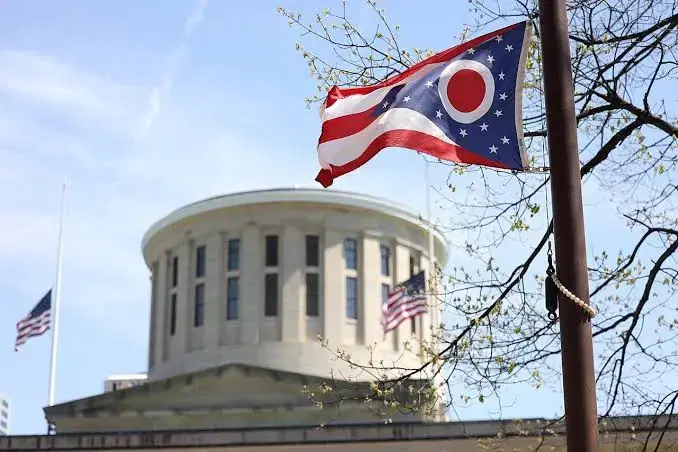
Kalshi has launched another legal challenge against the Ohio Casino Control Commission (OCCC). This time, Kalshi is targeting the state's attempt to impose a $5 million civil penalty through an administrative proceeding.
Kalshi isn't disputing contract legality. It argues Ohio must go to court to impose major fines.
The latest lawsuit adds a new dimension to the ongoing dispute between prediction market operators and state gaming regulators. As the broader sports betting debate continues, Kalshi claims Ohio's enforcement process violates constitutional protections.
The outcome could shape future enforcement actions involving Ohio gambling laws and the growing prediction markets sector, while also drawing attention from US online sportsbooks monitoring the evolving regulatory landscape.
Kalshi Argues Ohio cannot Pursue a $5 Million Penalty through an Administrative Hearing
Kalshi filed its latest lawsuit in the Franklin County Court of Common Pleas on June 29, seeking to prevent the OCCC from pursuing a $5 million civil penalty through its administrative process.
According to the company, the Ohio Constitution guarantees defendants the right to a jury trial when the government seeks substantial civil penalties. Kalshi contends that the regulator's administrative hearing process bypasses that constitutional protection.
Additionally, the company argues that Ohio law grants the OCCC arbitrary, unchecked discretion to calculate civil penalties without clear statutory limits or an "intelligible principle" guiding how fines should be determined.
The lawsuit relies heavily on the U.S. Supreme Court's 2024 ruling in SEC v. Jarkesy. In that decision, the Court held that government agencies cannot impose certain civil penalties through administrative proceedings when defendants have a constitutional right to a jury trial.
Kalshi argues that Ohio's enforcement action raises the same constitutional concerns. The company also claims the OCCC should pursue any financial penalties through the state's court system instead of its internal administrative process.
Attorney Josh Sterling, representing Kalshi, has emphasized that the lawsuit challenges Ohio's enforcement mechanism rather than simply disputing the proposed fine.
OCCC Proposed a $5 Million Fine in April
The dispute stems from an enforcement action issued by the OCCC in April 2026. At the time, the regulator alleged that Kalshi had offered sports event contracts to Ohio residents without holding a state sports gaming license.
The commission claimed Kalshi had been operating in violation of Ohio law since approximately January 2025. It subsequently proposed a civil penalty totaling $5 million.
Kalshi argues that the regulator failed to explain how it calculated the proposed fine. The company also maintains that its federally regulated event contracts do not require an Ohio sports betting license.
The enforcement action followed several cease-and-desist orders that various state regulators issued against prediction market operators throughout the past year.
Lawsuit Differs from Kalshi's Ongoing Sixth Circuit Appeal
Both lawsuits involve Ohio. However, Kalshi's newest case addresses a different legal question than its pending federal appeal.
The federal appeal focuses on whether the Commodity Exchange Act gives the Commodity Futures Trading Commission (CFTC) exclusive authority to regulate Kalshi's event contracts. If federal law preempts state gambling regulations, Kalshi argues, Ohio cannot prohibit its markets.
By contrast, the new state-court lawsuit accepts that Ohio is attempting to enforce its laws. However, it argues that the state cannot seek a multimillion-dollar civil penalty through an administrative tribunal.
As a result, both cases can proceed independently because they address separate constitutional and regulatory issues.
Broader Legal Battle Continues Over Prediction Markets
The federal Case
The current dispute began in October 2025 when Kalshi sued the OCCC and Ohio Attorney General Dave Yost in federal court after the state issued a cease-and-desist order.
However, the federal court denied Kalshi's request for a preliminary injunction in March 2026. Shortly afterward, the U.S. Court of Appeals for the Sixth Circuit also rejected the company's emergency request for an injunction.
The broader federal appeal remains pending before the Sixth Circuit. That case centers on whether the Commodity Exchange Act preempts state gambling laws governing federally regulated event contracts.
State Versus Federal Regulation
The Ohio dispute reflects a broader national debate over prediction markets.
Kalshi argues that because its markets are cleared by a federally regulated exchange, they fall under the exclusive oversight of the CFTC. Thus, it preempts state intervention. Meanwhile, states including Ohio, Kentucky, and Illinois continue treating those contracts as forms of unlicensed sports wagering subject to state enforcement.
Ohio lawmakers have also entered the debate. In late April 2026, legislators introduced Senate Bill 430 (SB 430), which would require prediction market operators to comply with Ohio gaming regulations and pay sports betting taxes.
The bill would also classify sports event contracts as sports gaming unless they are otherwise authorized under state law. However, SB 430 has seen little movement in the Ohio legislature since its introduction.
As these legal challenges continue, regulators, prediction market operators, and US online sportsbooks will closely watch the Ohio litigation.
The eventual rulings could help define how Ohio gambling laws interact with federal commodities regulation. It would also determine which government agencies ultimately oversee sports event contracts.
Betting Industry News Betting Industry News Betting Industry News Betting Industry NewsMore Industry News
MD Sports Betting: Sept Handle $652M, Revenue Down 20%

New Brunswick Eyeing Private iGaming Market
Sen. Ted Cruz Bill Targets Federal Sports Prediction Markets

New Jersey Mandates Data-Driven Gambling Checks

Jonathan Rodriguez
Jonathan is an avid basketball fan, and is often looking forward to the next upcoming NBA season when not checking players' stats during games. He also likes to keep his ears on the ground for the latest rumblings in the online casino industry.
This site contains commercial content. We may be compensated for the links provided on this page. The content on this page is for informational purposes only. Betting News makes no representation or warranty as to the accuracy of the information given or the outcome of any game or event.