Arizona EO Targets Prediction Market Insider Trading

Written by: Jonathan Rodriguez
Published: Fri Jul 10, 2026, 9:00 am ET
Read Time: 4 minutes
industry
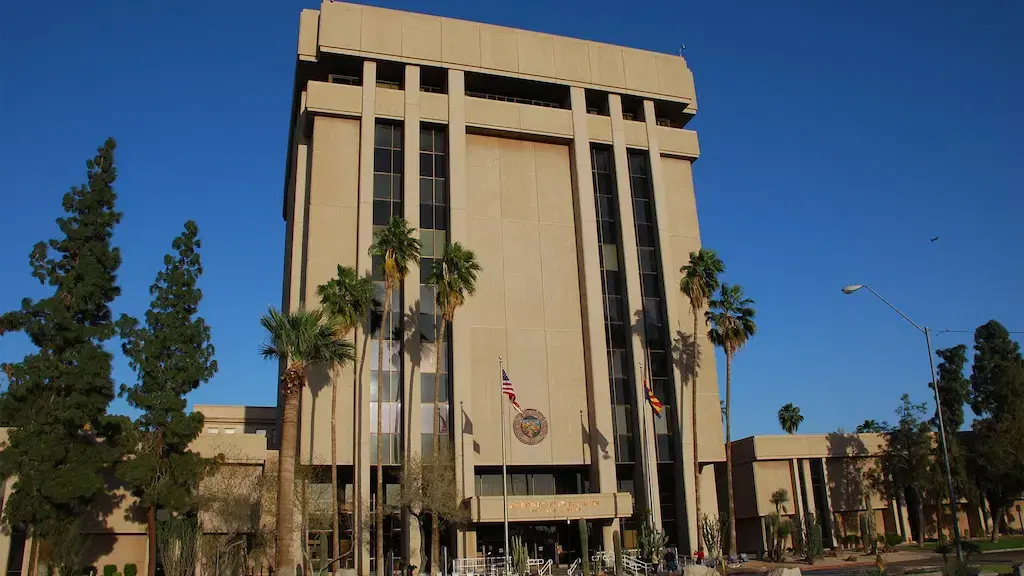
Arizona Gov. Katie Hobbs has issued Arizona Executive Order 2026-02 (EO 2026-02).This EO bars executive branch employees from using confidential government information to profit from prediction markets.
The move adds Arizona to a growing list of states responding to the rapid expansion of event-contract platforms.
Arizona EO 2026-02 establishes clear ethics standards for executive branch employees who may have access to sensitive government information.
While the order does not prohibit state workers from participating in prediction markets, it makes clear that they cannot use nonpublic information for personal financial gain.
The decision arrives as prediction markets remain under increased scrutiny across the country. Several states continue challenging the legality of certain event contracts, even as federally regulated exchanges argue their products fall under federal oversight.
The debate has also drawn attention from operators, regulators, and stakeholders connected to US online sportsbooks, where the rise of prediction markets has become a closely watched issue.
Why Arizona EO 2026-02 was Implemented
Gov. Hobbs said the executive order aims to strengthen public trust by preventing government employees from exploiting privileged information. According to the governor, public servants should never use their positions for personal financial benefit.
In a press release announcing the order, Hobbs said:
"Arizonans deserve a state government that works for them, not one where insiders exploit public service for their own gain. I'm proud to set clear, commonsense ethical standards on prediction markets to hold our government accountable. Public service is a privilege, and we will not tolerate anybody abusing that privilege to line their own pockets."
The executive order expands Arizona's ethics rules to address prediction markets explicitly. These markets allow users to trade contracts tied to future events, including elections, economic reports, public policy decisions, and sporting outcomes.
Because executive branch employees may possess advanced knowledge about government actions or economic developments, officials believe clear safeguards are necessary. The administration argued that even the appearance of insider trading could undermine confidence in the state government.
The order also reflects broader concerns about maintaining ethical standards as prediction markets continue gaining popularity. Although the measure does not change existing Arizona gambling laws, it reinforces that confidential government information cannot become a financial advantage.
Scope of EO 2026-02
EO 2026-02 focuses on preventing unethical conduct rather than banning prediction market participation altogether.
Specifically, the order targets:
- Insider trading involving prediction markets.
- Misuse of confidential government information.
- Disclosure of nonpublic information to benefit others financially.
The executive order applies only to employees within Arizona's executive branch because that falls under the governor's constitutional authority. Employees who violate the policy may face disciplinary action, including termination. Cases involving potential criminal conduct may also be referred to law enforcement.
Although the order cannot impose rules on Arizona's other branches of government, Hobbs publicly called on the legislative and judicial branches, as well as independent state commissions, to voluntarily adopt the same ethical standards.
She said a consistent approach across state governments would further strengthen public confidence and accountability.
By focusing on ethical conduct instead of outright participation, Arizona seeks to ensure that government employees remain accountable while preserving public confidence in state institutions.
Arizona Joins Other States Challenging Prediction Markets
Arizona's executive order comes as several states continue confronting prediction market operators through litigation, enforcement actions, and proposed legislation.
Nevada remains one of the most prominent examples. State regulators have argued that certain sports-related event contracts resemble unlicensed sports wagering and therefore violate state gaming laws.
Kalshi has challenged Nevada's position in federal court, arguing its contracts fall under federal regulation through the Commodity Futures Trading Commission.
Ohio has also intensified its response. The Ohio Casino Control Commission previously fined Kalshi for offering sports event contracts in the state. Regulators contend that those contracts function similarly to traditional sports betting products. Kalshi has likewise challenged Ohio's enforcement efforts.
New Jersey, Illinois, and New York have also taken legal or regulatory steps involving prediction markets. Their actions range from cease-and-desist orders and lawsuits to proposed legislation and executive actions addressing market oversight and ethics.
Arizona has taken a different approach. Rather than targeting prediction market operators directly, Gov. Hobbs' administration has focused on preventing conflicts of interest within state government.
The executive order reinforces that public officials must never use confidential information to enrich themselves or others.
As prediction markets continue expanding across the United States, states are adopting different strategies to address emerging legal and ethical questions.
Arizona's latest action highlights that protecting public trust remains a priority, regardless of how broader legal disputes between states and prediction market operators ultimately unfold.
Betting Industry News Betting Industry News Betting Industry News Betting Industry NewsMore Industry News
MD Sports Betting: Sept Handle $652M, Revenue Down 20%

New Brunswick Eyeing Private iGaming Market
Sen. Ted Cruz Bill Targets Federal Sports Prediction Markets

New Jersey Mandates Data-Driven Gambling Checks

Jonathan Rodriguez
Jonathan is an avid basketball fan, and is often looking forward to the next upcoming NBA season when not checking players' stats during games. He also likes to keep his ears on the ground for the latest rumblings in the online casino industry.
This site contains commercial content. We may be compensated for the links provided on this page. The content on this page is for informational purposes only. Betting News makes no representation or warranty as to the accuracy of the information given or the outcome of any game or event.