Kalshi Sues Illinois to Block SB 3019 Prediction Market Law

Written by: Jonathan Rodriguez
Published: Fri Jul 03, 2026, 11:00 am ET
Read Time: 4 minutes
industry
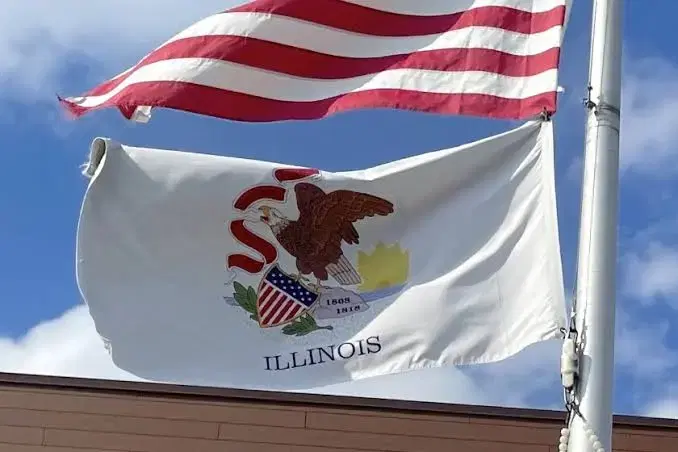
Kalshi has filed a federal lawsuit against Illinois, seeking an injunction to stop the enforcement of Senate Bill 3019 (SB 3019) before it took effect on July 1. The company argues that the new law unlawfully regulates federally approved prediction market contracts and conflicts with existing federal law.
The lawsuit marks another chapter in the growing legal battle between prediction market operators and state regulators. Illinois joins several states that have challenged Kalshi's sports event contracts, claiming they amount to unlicensed sports wagering.
Meanwhile, Kalshi maintains that its products are federally regulated financial derivatives, not gambling offerings.
The dispute could shape how prediction markets operate across the country. It may also influence how US online sportsbooks compete with federally regulated exchanges while adding another layer to the broader debate over Illinois gambling laws.
Kalshi Argues Illinois Cannot Regulate Federally Approved Event Contracts
Kalshi's lawsuit asks the court to block Illinois from enforcing SB 3019 because it believes the state lacks legal authority over its exchange.
The company argues that its event contracts are financial derivatives rather than gambling products. As a result, Kalshi says those contracts fall exclusively under the authority of the Commodity Futures Trading Commission (CFTC) through the Commodity Exchange Act.
According to the complaint, Congress granted the CFTC exclusive jurisdiction over designated contract markets. Therefore, states cannot impose separate licensing rules or taxes on products already regulated under federal law.
Kalshi further argues that Illinois' attempt to regulate sports event contracts conflicts with federal law. The company contends that the state's requirements are preempted by the Supremacy Clause of the US Constitution because federal law takes precedence when the two conflict.
The lawsuit also states that Illinois' enforcement efforts would expose Kalshi to significant financial losses and potential legal penalties. Consequently, the company requested a preliminary injunction to prevent the law from taking effect while the litigation proceeds.
Illinois: Prediction Markets Resemble Unlicensed Sports Betting
Illinois officials disagree with Kalshi's position and insist that sports event contracts closely resemble traditional sports wagers.
The state argues that companies offering these contracts should comply with the same laws governing licensed sportsbooks. Officials contend that prediction market operators provide consumers with betting opportunities similar to those offered by regulated operators.
As a result, Illinois believes these companies should obtain licenses, follow consumer protection standards, and contribute tax revenue like other legal sports betting operators.
State officials also reject the argument that labeling a product as a financial contract automatically shields it from state gambling laws.
The dispute reflects a broader effort by several states to assert regulatory authority over prediction markets that offer sports-related contracts.
SB 3019 Creates New Taxes and Licensing Rules for Prediction Markets
At the center of the lawsuit is SB 3019, which introduces the nation's first tax structure specifically targeting sports-related prediction markets.
Under SB 3019, operators must pay a 1.75% tax on the first five million prediction market transactions completed during each fiscal year. The tax increases to 3.5% on transactions beyond that threshold.
The measure also requires qualifying operators to meet licensing requirements similar to those imposed on licensed sportsbooks operating in Illinois.
Lawmakers argue the legislation closes what they view as a regulatory gap. They believe prediction markets should not compete with licensed sportsbooks while avoiding comparable taxes and oversight.
Supporters of the measure also say the law helps create a more level competitive environment within the state's regulated betting industry.
Lawsuit Could Influence the Future of Illinois Gambling Regulation
Kalshi's challenge extends beyond Illinois. It raises broader questions about the balance between federal commodities regulation and state gambling oversight.
Several states have already issued cease-and-desist orders or launched enforcement actions against prediction market operators. However, Illinois has become the first state to enact a tax structure specifically aimed at sports event contracts.
The outcome could influence future legislation across the country, especially if other states pursue similar measures targeting federally regulated exchanges.
Kalshi's case will determine if Illinois prediction markets must follow sportsbook frameworks or remain strictly under federal oversight.
The courts' decision will affect competition with US sportsbooks, which demand that prediction platforms face identical licensing and tax rules.
As the litigation moves forward, the case may establish an important precedent for regulators, exchanges, sportsbooks, and consumers.
Betting Industry News Betting Industry News Betting Industry News Betting Industry NewsMore Industry News
Week 6 — Injury Report
Massachusetts Probes Sportsbooks Over AI Promotions

Alberta iGaming Market Enters Enforcement Phase

Games Global Gains West Virginia iGaming License

Jonathan Rodriguez
Jonathan is an avid basketball fan, and is often looking forward to the next upcoming NBA season when not checking players' stats during games. He also likes to keep his ears on the ground for the latest rumblings in the online casino industry.
This site contains commercial content. We may be compensated for the links provided on this page. The content on this page is for informational purposes only. Betting News makes no representation or warranty as to the accuracy of the information given or the outcome of any game or event.