Montana Judge Denies Kalshi Injunction Request

Written by: Jonathan Rodriguez
Published: Mon Aug 31, 2026, 8:00 am ET
Read Time: 4 minutes
industry
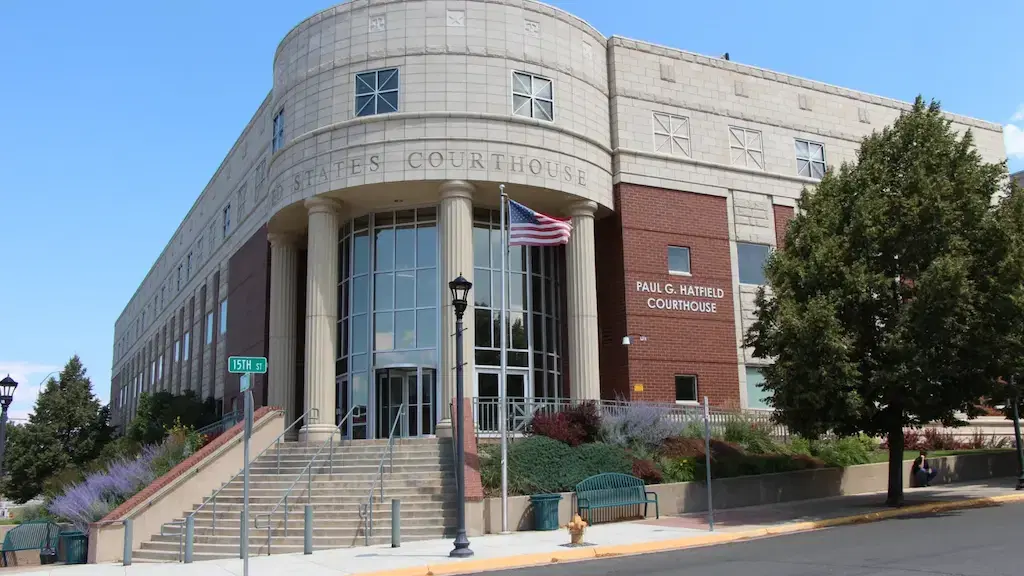
A federal judge has rejected Kalshi's request for a preliminary injunction in its ongoing legal battle with Montana. The decision represents another setback for the prediction market operator as state regulators continue challenging its sports-related contracts.
U.S. District Judge Donald W. Molloy also rejected a third request to extend the case's stay, allowing the litigation to move forward.
The dispute centers on whether Montana can regulate Kalshi's sports contracts under state gambling laws.
Judge Rejects Kalshi's Request for Immediate Protection
Kalshi asked the court to prevent Montana officials from enforcing state gambling regulations against its prediction contracts. The company argues that federal law gives the Commodity Futures Trading Commission authority over its prediction markets.
Kalshi has also maintained that the federal Commodity Exchange Act preempts state gambling regulations affecting its federally regulated contracts.
Judge Molloy, however, determined that Kalshi had not demonstrated the irreparable harm required for preliminary relief. The judge specifically pointed to Kalshi's repeated agreements to pause the proceedings while the parties considered the case.
"Kalshi's repeated agreement to stay this matter for months at a time fatally undermines its ability to make such a showing on the current record here. As a result, Kalshi's motion for preliminary injunction is denied without prejudice," he wrote in his decision.
The court's decision therefore prevents Kalshi from receiving immediate protection against Montana's enforcement efforts.
Still, the dismissal came without prejudice, meaning Kalshi could potentially seek similar relief if circumstances or the evidence change.
Montana and Kalshi Can Now Resume the Case
The judge also rejected another proposed extension of the existing stay, which had kept the proceedings largely paused for several months.
Kalshi and Montana officials had previously agreed to delay the litigation while the broader legal dispute developed.
Their latest request sought additional time, but Judge Molloy determined that another extension was not justified under the circumstances.
Consequently, Montana must now respond to Kalshi's underlying complaint within 21 days, bringing the case back into active litigation.
The next phase should place greater emphasis on the legal arguments surrounding prediction markets and state regulatory authority.
For Montana, the dispute involves its ability to enforce Montana gambling laws against Kalshi's sports-related contracts.
State officials have argued that the contracts fall within Montana gambling regulations, while Kalshi maintains that federal law protects its operations from state interference.
The Federal Preemption Question Remains Unresolved
Importantly, Judge Molloy's latest decision did not determine whether federal law ultimately prevents Montana from regulating Kalshi.
Instead, the ruling focused on whether Kalshi had established sufficient grounds for preliminary relief while the lawsuit continues. That distinction remains critical because the court has not yet resolved Kalshi's broader federal preemption argument.
The case could therefore produce another significant ruling once the parties fully address the underlying legal questions.
Additionally, the Montana dispute also forms part of a much larger confrontation between prediction market operators and state regulators across the country.
Several states have challenged prediction contracts involving sports, arguing that those products effectively operate as gambling rather than federally regulated derivatives.
Kalshi, meanwhile, has continued to argue that federal oversight through the CFTC limits the states' ability to regulate its contracts.
Why the Case Matters to Sports Betting
The outcome could have implications beyond Kalshi because the dispute highlights the increasingly blurred boundary between prediction markets and traditional sports betting.
State-regulated US online sportsbooks operate under established licensing requirements, while prediction markets generally rely on federal derivatives oversight. That difference has created growing tension as prediction market operators expand into sports-related event contracts.
A ruling that strengthens Montana's position could give other states greater confidence when challenging similar products.
Conversely, a decision favoring Kalshi could reinforce the company's argument that federal law limits state authority over its markets.
For now, neither side has secured a final victory in Montana, leaving the broader regulatory question unresolved.
What Happens Next?
Montana's response to Kalshi's complaint will provide the next major step in the proceedings.
The case could then move toward a substantive decision on whether the Commodity Exchange Act preempts Montana's gambling regulations. Kalshi may also reassess its strategy after failing to secure preliminary protection from the court.
For now, the company must pursue its legal challenge without the immediate relief it requested.
The latest decision therefore represents a procedural setback rather than a final ruling against Kalshi's broader legal position.
As the litigation resumes, the case could become another important test of how federal prediction-market regulation interacts with state gambling laws.
Betting Industry News Betting Industry News Betting Industry News Betting Industry NewsMore Industry News
MD Sports Betting: Sept Handle $652M, Revenue Down 20%

New Brunswick Eyeing Private iGaming Market
Sen. Ted Cruz Bill Targets Federal Sports Prediction Markets

New Jersey Mandates Data-Driven Gambling Checks

Jonathan Rodriguez
Jonathan is an avid basketball fan, and is often looking forward to the next upcoming NBA season when not checking players' stats during games. He also likes to keep his ears on the ground for the latest rumblings in the online casino industry.
This site contains commercial content. We may be compensated for the links provided on this page. The content on this page is for informational purposes only. Betting News makes no representation or warranty as to the accuracy of the information given or the outcome of any game or event.