Google Blocks Prediction Market Ads in Ohio

Written by: Jonathan Rodriguez
Published: Thu Jun 11, 2026, 8:00 am ET
Read Time: 3 minutes
industry
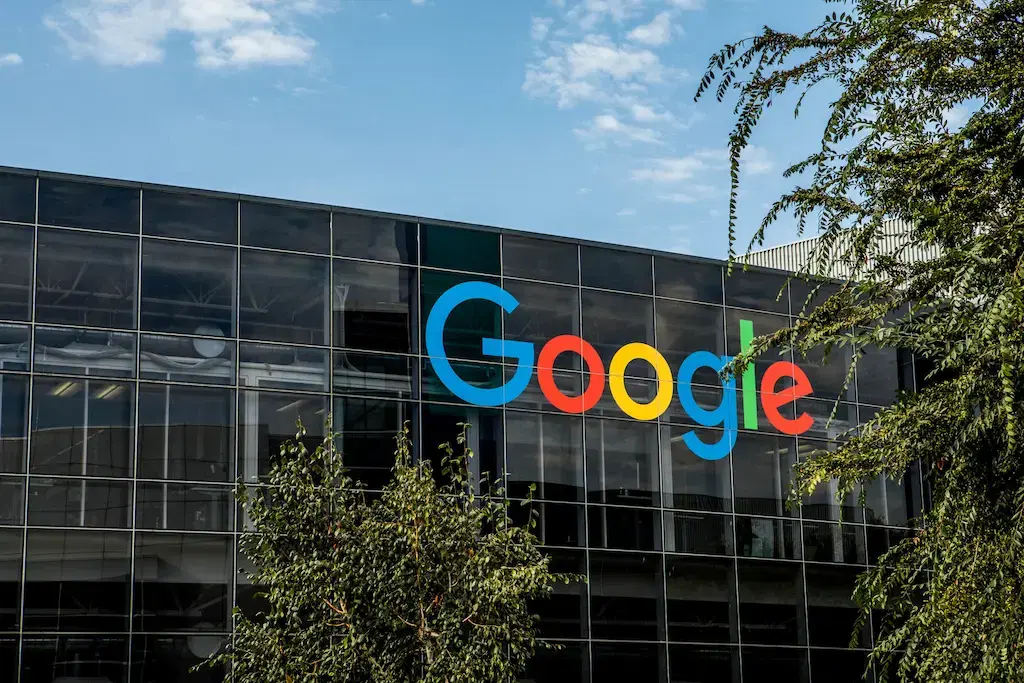
Google has tightened its advertising rules by blocking prediction market ads in Ohio. The decision adds new pressure to an already fragmented US regulatory environment for event-based trading platforms.
It also highlights growing friction between state gambling regulators and federally framed financial market operators.
At the same time, it intersects indirectly with competition across US online sportsbooks. As restrictions expand, prediction market firms face shrinking access to key digital advertising channels.
Google's Policy Change on Prediction Market Advertising in Ohio
Google updated its advertising policy to block prediction market ads targeting users in Ohio. The change took effect in June 2026 and expanded earlier restrictions already applied in Nevada. Previously, Google allowed federally regulated prediction market platforms to advertise more widely across the US.
However, rising legal uncertainty pushed the company to narrow its policy scope. Prediction market operators such as Kalshi argue their contracts fall under federal commodities regulation.
In contrast, state regulators classify many of these offerings as gambling products under state law. Ohio was added to Google's restricted list due to escalating enforcement pressure and legal disputes. Google responded by limiting advertising exposure to reduce regulatory risk.
Moreover, court setbacks for prediction market operators reinforced concerns about legal ambiguity. As a result, Ohio joined Nevada as a restricted jurisdiction for prediction market advertising.
Ohio's Battle Against Prediction Markets
Ohio has taken an increasingly aggressive stance against prediction markets through enforcement and legislation. The Ohio Casino Control Commission (OCCC) has issued warnings and cease-and-desist orders to operators. These actions focus on sports-related contracts that resemble traditional wagering activity.
Regulators argue these products function similarly to services offered by US online sportsbooks. Therefore, they fall under the Ohio gambling regulatory framework and require state licensing. Operators have challenged these interpretations, leading to ongoing legal disputes.
Lawmakers reinforced this position by introducing SB 430. This bill aims to clarify how prediction markets are defined and regulated within state law. It reflects growing political momentum to tighten oversight of emerging wagering-like financial instruments.
Court developments have generally strengthened Ohio's enforcement position. Although legal challenges continue, courts have shown limited willingness to block state actions.
Consequently, Ohio has become a key battleground in the prediction market debate.
Broader US State Pushback Against Prediction Markets
Ohio's actions reflect a wider pattern of escalating state resistance to prediction markets.
Several states have increased scrutiny over whether these platforms operate within gambling laws.
Nevada has already taken enforcement steps, contributing to earlier advertising restrictions. Other states have followed with lawsuits and regulatory actions targeting major platforms like Polymarket.
New Mexico, for example, filed a lawsuit against Kalshi, escalating legal pressure on prediction markets. These cases generally argue that event contracts function similarly to sports betting products.
Minnesota has also joined the regulatory push through SF 3432. This legislation targets prediction market structures and aims to clarify their legal classification. It reflects a broader trend toward aligning these markets with traditional gambling oversight.
Meanwhile, tensions continue between federal commodity regulation and state gambling authority. Operators rely on federal oversight, while states assert their own jurisdiction over betting-like activity. This legal divide continues to create uncertainty for platforms and advertising partners.
Overall, the US regulatory environment is becoming increasingly fragmented. As more states take action, prediction markets may face additional restrictions on both operations and advertising nationwide.
Betting Industry News Betting Industry News Betting Industry News Betting Industry NewsMore Industry News

Connecticut Cracks Down on Prediction Markets

Ohio Gov Candidate Amy Acton Backs Online Casinos

VGW Reaches $8M Settlement With New York
Iowa Judge Rejects Kalshi Bid to Block Gambling Law

Jonathan Rodriguez
Jonathan is an avid basketball fan, and is often looking forward to the next upcoming NBA season when not checking players' stats during games. He also likes to keep his ears on the ground for the latest rumblings in the online casino industry.
This site contains commercial content. We may be compensated for the links provided on this page. The content on this page is for informational purposes only. Betting News makes no representation or warranty as to the accuracy of the information given or the outcome of any game or event.