Kalshi to Remove Prohibited Contracts in Nevada

Written by: Jonathan Rodriguez
Published: Mon Jul 27, 2026, 11:00 am ET
Read Time: 4 minutes
industry
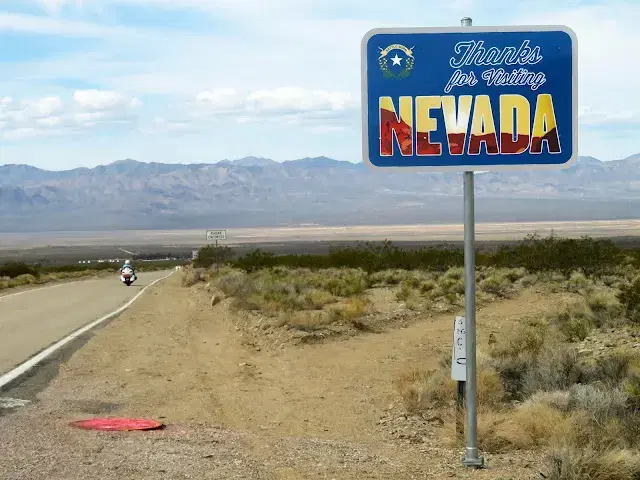
Kalshi will stop offering sports and other prohibited event contracts to users in Nevada. The agreement follows sustained pressure from the Nevada Gaming Control Board (NGCB).
The prediction market operator must implement third-party geofencing by August 12, 2026. The technology will block Nevada users from accessing sports, election, and entertainment-related contracts.
The agreement marks another setback for Kalshi as state regulators challenge its expansion across the United States. It also highlights the growing conflict between prediction markets and established Nevada gambling laws.
Kalshi Agrees to NGCB Terms Under Joint Stipulation Order
Kalshi and the NGCB submitted a joint stipulation order to a Carson City court. The agreement will require Kalshi to comply with Nevada state laws while the legal dispute continues.
Under the agreement, Kalshi will use GeoComply to develop and operate its geofencing solution. The company must prevent users physically located in Nevada from accessing prohibited event contracts.
The agreement follows concerns about Kalshi's earlier restrictions. The company previously relied on IP-based and residency-based controls. Nevertheless, NGCB investigators reportedly managed to trade restricted contracts during the court order.
Kalshi acknowledged that state investigators made those trades. Still, the company explicitly did not concede that the trades constituted grounds for contempt of court.
Therefore, the regulator pushed for stronger controls through an independent geolocation provider. Kalshi also agreed to provide the NGCB with updates about the geofencing system's progress.
"This agreement will ensure that Kalshi fully complies with Nevada law moving forward, or it will face stiff penalties… We will continue to vigorously enforce Nevada law to safeguard gaming in our state," NGCB Chair Mike Dreitzer said.
The joint stipulation also addresses an immediate contempt dispute. The NGCB had sought action after alleging that Kalshi violated a previous order requiring restricted access.
Kalshi Faces $120,000 Daily Penalty for Non-Compliance
Kalshi must have the third-party geofencing system operating by August 12. If it misses the deadline, the company will face a $120,000 daily penalty.
The fine will continue until Kalshi completes the required implementation. Consequently, the agreement gives the NGCB a strong financial enforcement mechanism.
The penalty follows the regulator's concerns about Kalshi's previous location controls. Investigators reportedly accessed and traded prohibited contracts despite those earlier restrictions.
The NGCB therefore sought stronger measures to ensure Kalshi could not continue offering restricted markets within Nevada.
Nevada's Opposition to Kalshi Built Through Months of Legal Action
Nevada's dispute with Kalshi began before the latest agreement. The NGCB first ordered the company to stop offering certain event contracts in March 2025.
The regulator argued that Kalshi's sports and election contracts constituted unlicensed gaming under Nevada law. Kalshi instead maintained that federal law gave the Commodity Futures Trading Commission exclusive authority over its event contracts.
The dispute intensified after the NGCB filed additional enforcement action in February 2026. Nevada sought to stop Kalshi's operations until the company obtained a state gaming license.
A state court later issued a temporary restraining order covering sports, election, and entertainment contracts. The court subsequently extended the restrictions and required Kalshi to implement geofencing.
The legal pressure increased after investigators reportedly accessed prohibited markets despite Kalshi's controls. As a result, the NGCB sought to hold the company in contempt and requested significant financial penalties.
The Nevada case reflects a broader national conflict between Kalshi and state regulators. Michigan has also pursued restrictions requiring Kalshi to block users from accessing prohibited contracts.
Meanwhile, Washington secured a preliminary injunction against Kalshi over its prediction markets. That case also involved arguments about federal preemption and state gambling laws.
These disputes show that Nevada is not confronting Kalshi in isolation. Instead, regulators across several states are seeking stronger location controls and enforcement remedies.
Even as Kalshi complies with the state's geofencing mandate, its broader appeal over federal Commodity Futures Trading Commission (CFTC) preemption continues to move through the Ninth Circuit Court of Appeals.
The Nevada Agreement Could Shape the Prediction Market Industry
The agreement could influence how prediction market operators approach state regulation. Kalshi will remain available in Nevada, but its prohibited contracts will face state-specific restrictions.
The arrangement also places third-party geolocation technology at the center of the dispute. Traditional US online sportsbooks already rely on geolocation systems to verify users' physical locations.
Prediction market operators may now face similar demands when their products overlap with state gambling laws. Meanwhile, regulators could use Nevada's approach when challenging other event-based platforms.
The parallel cases in Michigan and Washington could further increase pressure on prediction market companies. State regulators may increasingly demand technical safeguards before allowing platforms to continue operating.
The agreement also demonstrates the limits of relying on federal regulatory arguments alone. Kalshi continues to argue that federal law governs its contracts. Nevertheless, state regulators have secured practical restrictions through court orders and enforcement actions.
For Nevada, the outcome reinforces the state's effort to protect its licensed gaming market. For Kalshi, it creates a new operational requirement and a significant financial risk.
The broader prediction market battle will likely continue in other states. Still, Nevada's agreement represents one of the clearest examples of state regulators forcing a platform to restrict its products.
Betting Industry News Betting Industry News Betting Industry News Betting Industry NewsMore Industry News

Alberta iGaming Market Shows Strong First Week
Crypto.com's OG Sues Washington After Kalshi Injunction
Pennsylvania HB 2711 Targets Prediction Market Trading

Del Mar Picks: Eddie Read Stakes Analysis (7/26/2026)

Jonathan Rodriguez
Jonathan is an avid basketball fan, and is often looking forward to the next upcoming NBA season when not checking players' stats during games. He also likes to keep his ears on the ground for the latest rumblings in the online casino industry.
This site contains commercial content. We may be compensated for the links provided on this page. The content on this page is for informational purposes only. Betting News makes no representation or warranty as to the accuracy of the information given or the outcome of any game or event.