Nevada Court Blocks Polymarket in Latest Injunction

Written by: Jonathan Rodriguez
Published: Thu Jun 04, 2026, 9:00 am ET
Read Time: 4 minutes
industry
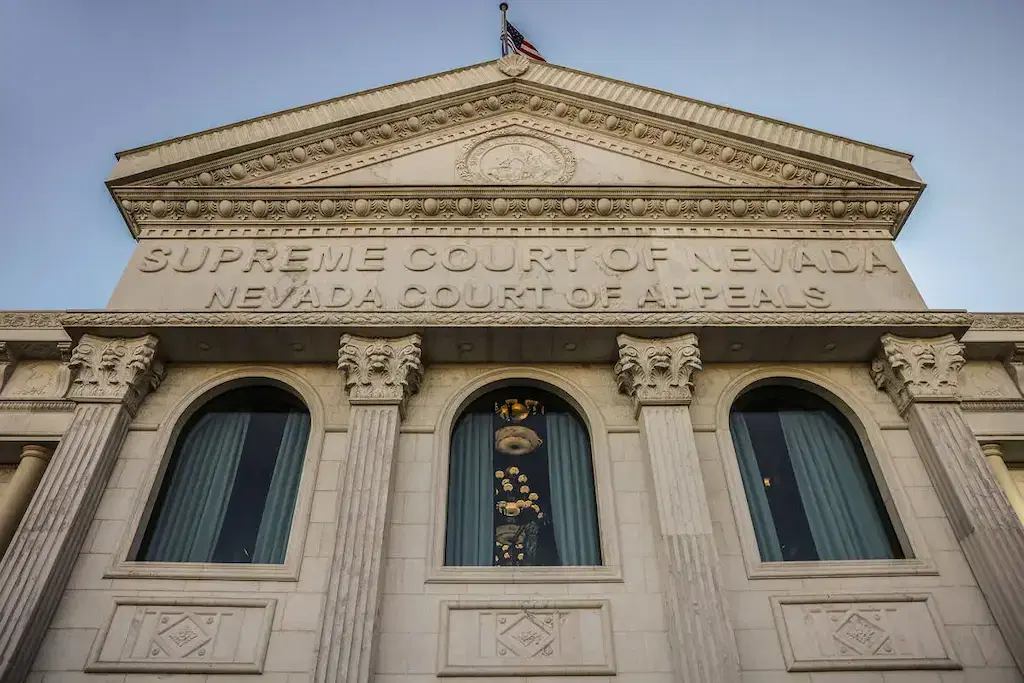
Nevada has escalated its legal pressure on prediction markets after the Nevada court granted a preliminary injunction against Polymarket.
The ruling from First Judicial District Court Judge Jason Woodbury temporarily blocks the platform from offering event-based contracts to Nevada residents. The decision marks another major development in the growing conflict between state gambling regulators and prediction market platforms. It also reinforces how courts are currently treating these products under Nevada gambling laws.
Nevada Gaming Control Board (NGCB) Chairman Mike Dreitzer lauded Court Judge Woodbury's decision to bolster prediction market regulation efforts:
"We are very pleased with Judge Woodbury's ruling and will continue to vigorously enforce Nevada law to safeguard gaming in our state."
The case adds further tension to the evolving landscape that already includes scrutiny of US online sportsbooks and other regulated betting operators. Regulators argue that prediction markets function similarly to wagering products.
Meanwhile, operators claim federal oversight applies under commodities law frameworks. The Nevada court's ruling signals that state gambling authority remains strong during early litigation stages.
What the Injunction Means for Polymarket in Nevada
The preliminary injunction significantly restricts Polymarket's ability to operate within Nevada. First, the platform cannot offer or facilitate any event-based contracts to Nevada residents. This includes markets tied to sports outcomes, political events, and entertainment results.
Additionally, Polymarket must prevent access from users located in Nevada. It also cannot market or promote event-based trading products within the state. The injunction effectively pauses all related business activity while the case proceeds.
Furthermore, the order prevents Polymarket from expanding any infrastructure or operational presence aimed at Nevada users. This includes digital systems designed to support participation in event markets.
As a result, the platform faces a complete operational shutdown in the jurisdiction for this product category.
The ruling does not conclude the case. However, it forces immediate compliance and limits short-term business exposure. Therefore, Polymarket must quickly adjust its geofencing and access controls to avoid enforcement risk.
Why Nevada Regulators Were Granted the Injunction
Nevada regulators argued that Polymarket's event contracts fall under state gambling definitions. The Nevada Gaming Control Board (NGCB) maintained that these products represent unlicensed wagering activity. Therefore, they require state licensing under Nevada gambling law.
The Nevada court agreed with the regulator's position at a preliminary stage. It found that Nevada is likely to succeed on the merits of its case. Moreover, the judge concluded that continued operation could cause irreparable harm to the state's regulatory framework.
Polymarket raised jurisdictional arguments tied to federal commodities oversight. The company claimed event contracts fall under federal regulatory authority. However, the court ruled that this argument does not override state gambling enforcement at this stage of litigation.
As a result, the court prioritized state authority to regulate gambling within its borders. It emphasized maintaining the integrity of Nevada's licensed gaming system during the ongoing dispute.
Bigger Picture for Prediction Markets and US Regulation
This ruling reflects a broader national trend involving prediction markets and state enforcement actions. However, the context in Nevada is especially important for understanding the full picture.
The NGCB has already used this same legal strategy successfully against other platforms. Just months earlier, it secured similar outcomes against Kalshi and Coinbase, forcing both to halt or withdraw prediction market offerings in the state. That pattern shows a deliberate and coordinated enforcement approach rather than isolated cases.
Taken together, these actions indicate that Nevada is systematically removing unlicensed prediction market operators from its jurisdiction. Regulators are not targeting a single company.
Instead, they are applying a consistent framework that treats event contracts as gambling activity requiring state approval.
Will the Enforcement Pattern Become the Norm?
This enforcement trend has significant implications for US online sportsbooks and the broader regulated betting industry. Traditional operators already function under strict licensing rules, and regulators appear intent on protecting that structure from competing products.
Moreover, additional states may follow Nevada's approach if injunction momentum continues. Courts have increasingly sided with regulators at the preliminary stage, strengthening enforcement efforts nationwide.
However, the broader legal question remains unresolved. Federal commodities law arguments continue to challenge state-level interpretations. As a result, appellate rulings or federal court decisions may ultimately redefine the boundary between financial derivatives and gambling products.
For now, Nevada's consistent enforcement playbook reinforces its position as one of the most aggressive regulators in the United States. It also highlights ongoing friction between innovation in prediction markets and traditional gambling oversight structures.
Betting Industry News Betting Industry News Betting Industry News Betting Industry NewsMore Industry News
MD Sports Betting: Sept Handle $652M, Revenue Down 20%

New Brunswick Eyeing Private iGaming Market
Sen. Ted Cruz Bill Targets Federal Sports Prediction Markets

New Jersey Mandates Data-Driven Gambling Checks

Jonathan Rodriguez
Jonathan is an avid basketball fan, and is often looking forward to the next upcoming NBA season when not checking players' stats during games. He also likes to keep his ears on the ground for the latest rumblings in the online casino industry.
This site contains commercial content. We may be compensated for the links provided on this page. The content on this page is for informational purposes only. Betting News makes no representation or warranty as to the accuracy of the information given or the outcome of any game or event.