New Mexico AG Sues Kalshi Over Sports Betting Claims

Written by: Jonathan Rodriguez
Published: Mon Jun 08, 2026, 7:00 am ET
Read Time: 4 minutes
industry
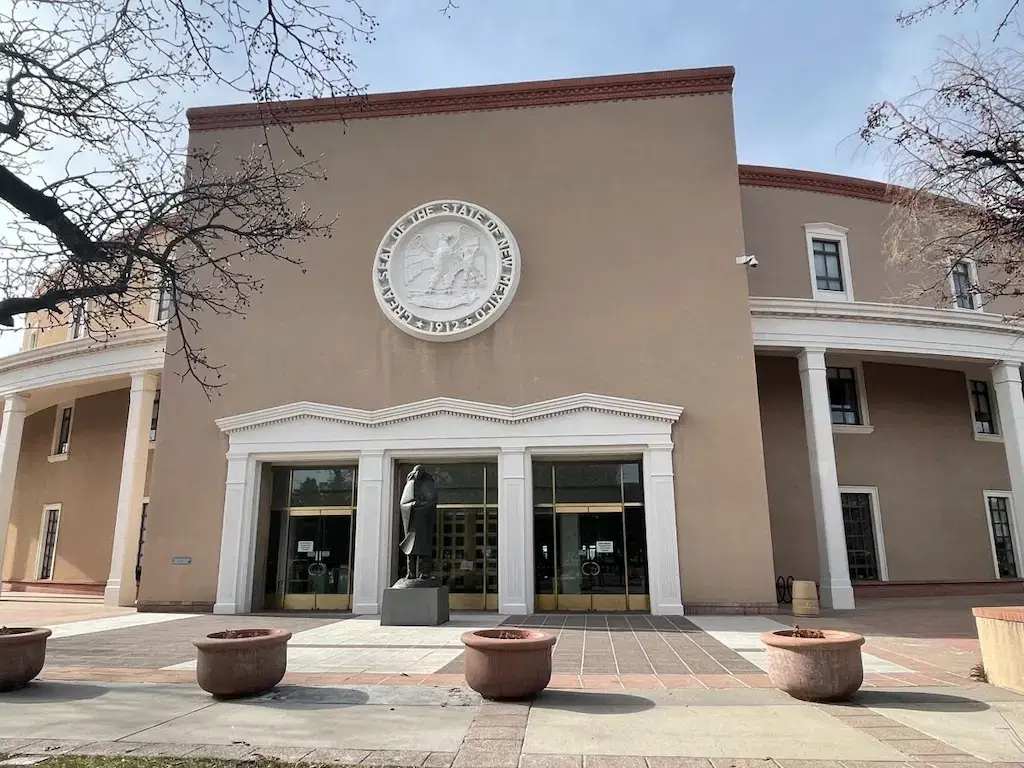
New Mexico Attorney General Raul Torrez has filed a lawsuit against prediction market operator Kalshi, alleging the company is illegally offering sports betting products to residents without complying with state gaming laws.
The lawsuit represents the latest challenge against prediction markets that offer sports event contracts across the United States. State officials argue that these products function as sports wagers and should be regulated under existing gambling laws.
Torrez's office is seeking to stop Kalshi from offering sports-related contracts in New Mexico. The state also claims the company has bypassed licensing requirements and consumer protections that apply to regulated betting operators.
Why New Mexico Filed a Lawsuit Against Kalshi
At the center of the lawsuit is a straightforward argument from Torrez's office. According to the complaint, Kalshi's sports event contracts "look like a sportsbook, act like a sportsbook, and proverbially quack like a sportsbook." The attorney general argues that the products allow users to wager on sporting outcomes in much the same way as traditional sportsbooks.
State officials contend that Kalshi has offered these contracts to New Mexico residents without obtaining approval through the state's regulated gaming framework. As a result, the lawsuit alleges that the company is operating outside established New Mexico gambling laws.
The complaint also raises significant consumer protection concerns. One of the most notable allegations involves age restrictions.
Kalshi permits users who are at least 18 years old to trade on its platform. However, New Mexico law requires individuals to be at least 21 years old to participate in legal sports betting activities. The attorney general argues that this discrepancy allows individuals who would be considered underage gamblers under state law to access sports-related contracts.
Additionally, the lawsuit points to Kalshi's own marketing materials as evidence that the company has presented itself as a sports betting platform.
According to the filing, Kalshi previously promoted itself as "The First Nationwide Legal Sports Betting Platform." The company also advertised that it offered "Sports Betting Legal in All 50 States."
New Mexico argues that these statements undermine Kalshi's position that its sports contracts are fundamentally different from sports wagering products offered by traditional operators.
New Mexico AG Alleges Kalshi is Working Outside State Regulations
The state further maintains that Kalshi operates outside safeguards required of licensed gaming companies. Those protections include regulatory oversight, responsible gambling measures, and compliance requirements that apply to US online sportsbooks.
In a statement announcing the lawsuit, Torrez emphasized the importance of preserving the state's existing regulatory structure.
"New Mexico has a longstanding and carefully balanced system for regulating gaming that protects consumers, ensures accountability, and respects tribal sovereignty," Torrez said.
The attorney general argues that allowing unlicensed operators to offer sports-related contracts could undermine those protections while creating an uneven regulatory environment for licensed gaming operators.
Four Native American Tribes Filed a Separate Legal Challenge
New Mexico's lawsuit follows a separate legal action brought by four prominent New Mexico Native American tribes. This includes the Mescalero Apache Tribe, Pueblo of Isleta, Pueblo of Pojoaque, and Pueblo of Sandia as plaintiffs.
The tribes argue that Kalshi's sports event contracts infringe upon tribal gaming rights protected under existing agreements. They also contend that the products threaten gaming revenues generated through tribal-state compacts.
According to the tribes, gaming operations fund essential government services, infrastructure projects, and economic development programs. Consequently, they argue that unregulated sports event contracts could harm a critical source of tribal revenue.
The separate lawsuit adds another dimension to the growing legal battle surrounding prediction markets.
Why the New Mexico Lawsuit Matters
The case could have far-reaching implications for the ongoing dispute between prediction market operators and state gaming regulators.
Kalshi maintains that its event contracts fall under the exclusive authority of the Commodity Futures Trading Commission (CFTC). The company argues that federal law governs its products and preempts conflicting state gambling regulations.
However, state officials disagree. They maintain that contracts tied to sports outcomes closely resemble traditional sports betting products and should comply with state gaming laws.
The outcome of the lawsuit could influence future court decisions involving prediction markets nationwide.
A victory for New Mexico could strengthen state efforts to regulate sports event contracts. Conversely, a win for Kalshi could reinforce federal oversight of prediction markets.
New Mexico Becomes the Latest State to Challenge Prediction Markets
New Mexico joins a growing list of states taking action against prediction market operators and their sports event contracts.
Nevada was among the earliest jurisdictions to challenge these offerings. Since then, Arizona, Massachusetts, Maryland, New Jersey, and several other states have pursued enforcement actions or regulatory challenges.
These states generally argue that sports event contracts function as sports wagers and should be subject to state gaming regulations. Prediction market operators continue to reject that interpretation and maintain that federal regulators have primary authority.
As legal disputes continue across the country, the future relationship between prediction markets and US online sportsbooks remains uncertain. Meanwhile, the New Mexico gambling lawsuit adds another important test case to a debate that could reshape sports event contract regulation nationwide.
Betting Industry News Betting Industry News Betting Industry News Betting Industry NewsMore Industry News
MD Sports Betting: Sept Handle $652M, Revenue Down 20%

New Brunswick Eyeing Private iGaming Market

Sen. Ted Cruz Bill Targets Federal Sports Prediction Markets

New Jersey Mandates Data-Driven Gambling Checks

Jonathan Rodriguez
Jonathan is an avid basketball fan, and is often looking forward to the next upcoming NBA season when not checking players' stats during games. He also likes to keep his ears on the ground for the latest rumblings in the online casino industry.
This site contains commercial content. We may be compensated for the links provided on this page. The content on this page is for informational purposes only. Betting News makes no representation or warranty as to the accuracy of the information given or the outcome of any game or event.