Canadian Regulators Reject Sports Prediction Markets

Written by: Jonathan Rodriguez
Published: Tue Sep 01, 2026, 8:00 am ET
Read Time: 4 minutes
industry
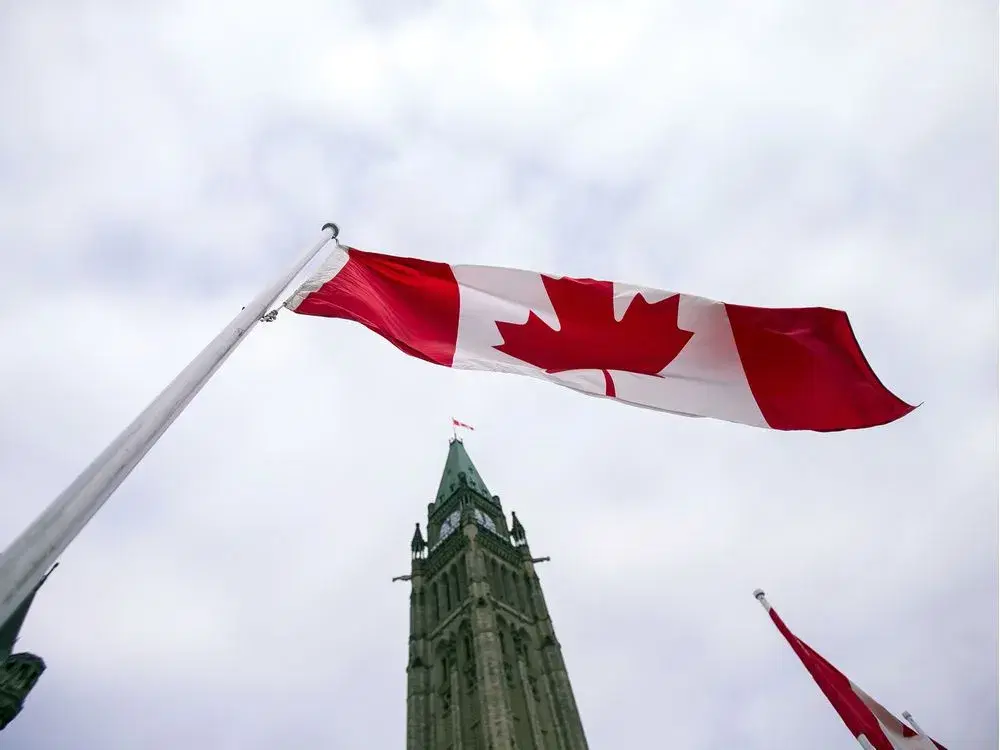
Canadian regulators have clarified their position on prediction markets offering sports and entertainment contracts. The decision creates a sharp contrast with the expanding U.S. market.
The Canadian Securities Administrators (CSA) and Canadian Investment Regulatory Organization (CIRO) issued updated guidance on August 27. The guidance states that sports and entertainment contracts should not fall under Canadian securities or derivatives legislation.
The regulators acknowledged that event contracts can meet broad definitions of securities or derivatives. Still, they rejected that framework for sports and entertainment markets.
"CSA staff's view is that Event Contracts based on sports and entertainment events or outcomes should not be regulated within securities and derivatives legislation. CIRO staff do not consider it appropriate to facilitate or approve an application by their dealer members to trade these types of Event Contracts."
The decision leaves sports prediction markets facing significant barriers in Canada. It also reinforces the role of provincial gambling regulators in overseeing sports wagering.
Canada Limits Permitted Prediction Markets
Canadian regulators have not rejected prediction markets altogether. Instead, they continue to permit a limited range of event contracts.
Approved products can involve economic, environmental, or financial indicators. Interactive Brokers and Wealthsimple currently offer limited prediction-market products under Canada's regulatory framework.
The rules also restrict short-term binary options. Canadian securities regulators prohibit options with maturities of 30 days or less for individual investors.
That restriction creates another obstacle for sports prediction markets. Many products offered in the United States rely on short-term yes-or-no contracts.
The Canadian Gaming Association welcomed the regulators' latest guidance. It argues that sports wagering should remain under provincial gambling frameworks.
The stance could therefore strengthen the existing Canada gambling market. Licensed operators already compete within provincial regulatory systems.
British Columbia Adds Further Pressure
British Columbia has also taken a firm position against unregulated prediction-market activity.
The province's gambling regulator has classified certain prediction-market trading as gambling. That position could make it harder for operators to enter Canada's market through financial regulation.
Meanwhile, Polymarket has restricted access to its international platform in several Canadian provinces. Its restricted regions now include Alberta, British Columbia, Quebec, and Ontario.
The developments show how Canadian provinces could approach prediction markets differently. They could also create additional compliance challenges for operators seeking nationwide access.
Canada Takes a Different Path From US Online Sportsbooks
Canada's approach differs significantly from the U.S. prediction-market expansion.
In the United States, the Commodity Futures Trading Commission (CFTC) has treated sports event contracts as federally regulated derivatives. That position has helped prediction markets expand into sports wagering.
As a result, US online sportsbooks now face growing competition from prediction-market operators. Kalshi, Polymarket, and other platforms have expanded their sports offerings across the U.S. market.
Yet U.S. regulators remain divided over who should oversee these products.
The CFTC claims federal authority over prediction markets. State gambling regulators argue that sports contracts represent gambling under state law.
The dispute escalated on August 28 when the Ninth Circuit ruled against Kalshi in Nevada. The court said Kalshi could not block Nevada gaming regulators from overseeing its sports contracts.
The ruling also created a split with the Third Circuit. That court previously ruled that New Jersey could not regulate Kalshi's platform.
The conflicting decisions could eventually send the issue to the U.S. Supreme Court. Meanwhile, the CFTC has challenged regulatory actions in nine states.
Canadian Prediction Market Rules Remain Restrictive
The latest Canadian guidance gives regulators a clearer position on sports prediction markets. It also prevents operators from relying on securities regulation to enter Canada's sports betting sector.
For now, financial prediction markets remain available within a narrow regulatory framework. Sports and entertainment contracts face much tougher restrictions.
The decision could also protect Canada's established provincial sports betting systems. Licensed operators can continue competing under existing gambling regulations.
At the same time, the market could evolve if Canadian regulators reconsider their rules. Wealthsimple has already called for reforms that would permit more short-term prediction contracts.
For now, Canada appears unwilling to follow the U.S. model. Its regulators are drawing a clear distinction between financial event contracts and sports betting.
That approach could make provincial gambling regulators the key authorities for any future sports prediction-market expansion.
Betting Industry News Betting Industry News Betting Industry News Betting Industry NewsMore Industry News
MD Sports Betting: Sept Handle $652M, Revenue Down 20%

New Brunswick Eyeing Private iGaming Market

Sen. Ted Cruz Bill Targets Federal Sports Prediction Markets

New Jersey Mandates Data-Driven Gambling Checks

Jonathan Rodriguez
Jonathan is an avid basketball fan, and is often looking forward to the next upcoming NBA season when not checking players' stats during games. He also likes to keep his ears on the ground for the latest rumblings in the online casino industry.
This site contains commercial content. We may be compensated for the links provided on this page. The content on this page is for informational purposes only. Betting News makes no representation or warranty as to the accuracy of the information given or the outcome of any game or event.