Ninth Circuit Rules Against Kalshi in Nevada Gambling Fight

Written by: Jonathan Rodriguez
Published: Tue Sep 01, 2026, 7:00 am ET
Read Time: 4 minutes

industry
Kalshi suffered a major legal setback after a federal appeals court backed Nevada's authority over sports prediction contracts.
On August 28, the Ninth Circuit ruled that Kalshi could not block Nevada regulators from overseeing its sports event contracts. The decision strengthens Nevada's position in the growing fight over prediction markets.
The case centers on whether Kalshi's sports contracts qualify as federally regulated financial products or gambling.
Kalshi argues that its contracts fall under the Commodity Exchange Act and federal oversight. Nevada regulators instead argue that the contracts function like sports wagers.
Ninth Circuit Rejects Kalshi's Federal Preemption Argument
A three-judge Ninth Circuit panel unanimously ruled against Kalshi's challenge to Nevada oversight. The company had argued that federal law prevented Nevada from applying its gambling regulations. The court rejected that argument and allowed Nevada to continue pursuing regulatory action.
Judge Ryan Nelson wrote the opinion for the panel. He directly challenged Kalshi's characterization of its sports contracts.
"The substance of the sports event contracts offered on Kalshi's DCM is sports gambling, regardless of whether Kalshi calls them swaps," Judge Nelson wrote for the three-judge panel.
The ruling therefore focuses on the substance of Kalshi's products rather than their financial terminology.
Nelson also questioned whether Kalshi could reasonably distinguish its contracts from conventional sports betting products.
"For Kalshi to deny that its sports event contracts are sports bets under a reasonable person's understanding is disingenuous," Nelson wrote.
The decision gives Nevada greater authority to treat Kalshi's sports markets as gambling activity.
CFTC Pushes Back Against Ninth Circuit Ruling
The Commodity Futures Trading Commission criticized the Ninth Circuit's decision following the ruling.
CFTC representatives argued that the court "erred" by creating a new exception to federal commodities law. The agency's response reinforces its support for Kalshi's position in the dispute.
The CFTC's reaction also adds another dimension to the case. Kalshi is not challenging state regulators without federal support.
Instead, the dispute pits Nevada's gambling authority against Kalshi and its federal regulatory framework.
That disagreement could now move toward the Supreme Court as the competing legal interpretations become harder to reconcile.
Ruling Weakens Kalshi's Position Across Ninth Circuit States
The ruling carries implications beyond Nevada because Ninth Circuit precedent covers the entire federal circuit.
The Ninth Circuit includes Arizona, California, Washington, and several other western states. Therefore, the decision provides those jurisdictions with stronger legal support when challenging Kalshi's sports contracts.
The ruling does not automatically ban Kalshi from operating throughout those states. Instead, it weakens Kalshi's argument that federal law broadly prevents state gambling oversight.
State regulators operating within the Ninth Circuit can now point to the decision when pursuing similar cases. That could make future challenges more difficult for Kalshi.
The immediate impact could prove particularly important in states already scrutinizing prediction markets.
Nevada Gambling Fight Has Broader Implications
The ruling could have significant consequences for Nevada gambling and the wider prediction market industry.
Nevada has a long-established regulatory system covering sports wagering and other gaming activities. The state therefore views sports prediction contracts as falling within its existing authority.
The decision could also affect how prediction markets compete with US online sportsbooks.
Kalshi has expanded its sports contracts into markets traditionally served by sportsbooks. Those products allow users to trade contracts tied to sporting outcomes.
Traditional sportsbooks operate under state gambling licenses and regulations. Kalshi has instead relied on federal derivatives regulation to offer its contracts.
The Ninth Circuit's decision challenges that regulatory distinction.
Ninth Circuit Decision Creates Circuit Split
The Nevada ruling also creates a major conflict with an earlier federal appeals decision.
The Third Circuit previously sided with Kalshi in its dispute with New Jersey. That court concluded that federal law preempted New Jersey's attempt to regulate Kalshi's sports contracts.
The Ninth Circuit has now reached the opposite conclusion.
That disagreement creates a circuit split over the relationship between federal derivatives law and state gambling regulations.
The CFTC's criticism further underscores the stakes of that conflict. Federal regulators and states now support competing interpretations of the same federal framework.
As a result, the dispute could eventually reach the U.S. Supreme Court.
A Supreme Court decision could determine whether states can regulate sports prediction markets. It could also clarify the CFTC's authority over these contracts.
Kalshi Could Pursue Further Appeals
Kalshi still has several legal options following the Ninth Circuit decision.
The company could request an en banc rehearing before the Ninth Circuit. It could also petition the Supreme Court to review the case.
Meanwhile, Nevada can continue pursuing oversight of Kalshi's sports contracts.
The ruling does not create a nationwide ban on Kalshi's prediction markets. It also does not automatically prohibit Kalshi across every Ninth Circuit state.
Instead, it establishes an important precedent against Kalshi's federal preemption argument within the western circuit.
That could give state regulators greater leverage when challenging sports prediction markets. At the same time, the CFTC's response shows Kalshi retains significant federal support.
For Kalshi, the decision creates another obstacle as regulators challenge its sports market expansion. The growing circuit conflict could now push the prediction market debate toward the Supreme Court.
Betting Industry News Betting Industry News Betting Industry News Betting Industry NewsMore Industry News
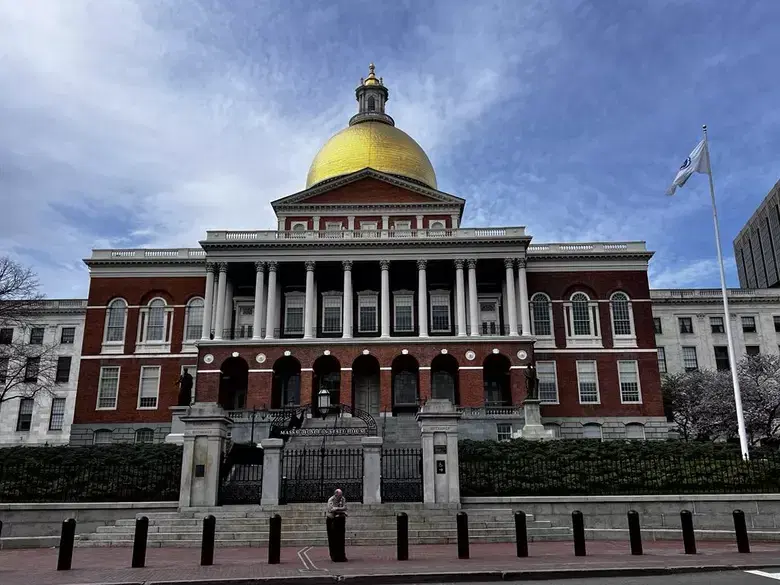
Massachusetts Probes Sportsbooks Over AI Promotions

Alberta iGaming Market Enters Enforcement Phase

Games Global Gains West Virginia iGaming License

Wyoming Lawmakers Advance Sweepstakes Casino Ban Proposal

Jonathan Rodriguez
Jonathan is an avid basketball fan, and is often looking forward to the next upcoming NBA season when not checking players' stats during games. He also likes to keep his ears on the ground for the latest rumblings in the online casino industry.
This site contains commercial content. We may be compensated for the links provided on this page. The content on this page is for informational purposes only. Betting News makes no representation or warranty as to the accuracy of the information given or the outcome of any game or event.