NCAA Division III Eases First-Time Betting Penalties

Written by: Jonathan Rodriguez
Published: Fri Jul 24, 2026, 12:00 pm ET
Read Time: 4 minutes
ncaab
The NCAA Division III Management Council has approved an immediate change to sports-betting reinstatement guidelines.
Under the amendment, eligible first-time offenders could receive reduced penalties after seeking appropriate support. The move introduces a more rehabilitation-focused approach to sports-betting violations within NCAA Division III.
It also comes as college sports faces growing pressure from the expansion of legal sports betting.
NCAA Division III Updates Reinstatement Guidelines for Betting Violations
The Division III Management Council approved the amendment during its July meeting. The change takes effect immediately and affects how officials can consider reinstating student-athletes after betting violations.
Importantly, these amendments apply only to NCAA Division III. The update does not change sports-betting reinstatement guidelines for Division I or Division II athletes. Under the revised framework, eligible student-athletes may receive reduced penalties after a first violation.
The NCAA requires offenders to meet specific conditions before receiving consideration for reduced penalties.
The key requirements include:
- The sports-betting offense must be the student-athlete's first violation.
- The violation must not involve competition-integrity concerns.
- The student-athlete must complete an appropriate clinical evaluation or receive appropriate support.
The amendment does not create a blanket exemption for sports-betting violations. Instead, officials will consider each case under the updated reinstatement framework.
The NCAA Division III policy therefore distinguishes between first-time gambling misconduct and serious attempts to influence competition.
A student-athlete who manipulates a game or shares information with bettors would face more severe consequences.
NCAA Division III Emphasizes Treatment and Support
The policy update reflects a broader shift toward addressing gambling problems through support and intervention.
Over recent years, the NCAA has increasingly recognized the challenges created by the modern sports-betting environment.
Mobile betting apps, widespread legal wagering, and aggressive marketing have changed how fans interact with sports. Fans can now find NCAAB picks and NCAAB odds through US online sportsbooks, increasing access to college basketball betting markets.
The same platforms also offer NCAAF picks and NCAAF odds as college football attracts substantial betting interest.
Those developments have increased concerns about student-athletes encountering gambling-related problems.
The NCAA previously revised sports-betting reinstatement guidelines for Division I athletes.
In 2023, Division I introduced stricter consequences for athletes who bet on their own games. The rules also addressed athletes who provided information for betting purposes. Such actions could result in a permanent loss of eligibility.
The latest NCAA Division III amendment takes a different approach toward qualifying first-time offenders. It recognizes that some violations may reflect gambling-related problems rather than deliberate efforts to manipulate competition.
Clinical evaluation and support can now play a larger role in potential reinstatement decisions.
NCAA Continues Refining Its Gambling Enforcement
The NCAA continues adjusting its policies as sports betting creates new risks across college athletics.
Recent cases demonstrate why the organization maintains strict penalties for serious betting-related misconduct.
In May 2026, former Abilene Christian basketball player Airion Simmons became permanently ineligible. The NCAA said Simmons provided betting-related information and agreed to manipulate his performance. His case involved conduct that directly threatened the integrity of competition.
Former San Francisco basketball player Marcus Williams also became ineligible after sharing performance information with a bettor. The NCAA said the bettor used that information to wager on Williams' performances. Williams additionally provided false or misleading information during the investigation.
Another 2026 case involved former Iona basketball player Adam Njie Jr., who became permanently ineligible. The NCAA said Njie provided game information to known bettors for sports-betting purposes.
These cases illustrate why the NCAA maintains severe penalties for conduct connected to game manipulation or inside information. The latest NCAA news therefore does not signal a broad relaxation of sports-betting enforcement.
Instead, the Division III change creates a narrower path toward rehabilitation for qualifying first-time offenders.
NCAA Fights to Protect Integrity in a Changing Betting Landscape
The NCAA faces a difficult challenge as sports betting becomes more accessible across the United States. Legal betting markets have increased public exposure to college sports wagering.
Meanwhile, betting operators continue expanding the number of markets available to consumers. That environment creates additional risks for student-athletes with access to nonpublic information.
The NCAA must therefore maintain clear boundaries around betting activity involving college sports. This latest amendment supports that objective by separating qualifying first-time violations from more serious misconduct.
As a result, Division III can address certain gambling-related violations without treating every case identically.
The policy also demonstrates how the NCAA continues adapting its enforcement framework. For qualifying first-time offenders, the revised guidelines may provide a path back to competition.
Athletes who manipulate contests or misuse inside information will continue facing severe eligibility consequences.
The NCAA's challenge now involves enforcing those boundaries consistently as the sports-betting industry continues to grow.
NCAAB Betting News NCAAB Betting News NCAAB Betting News NCAAB Betting NewsMore NCAAB News
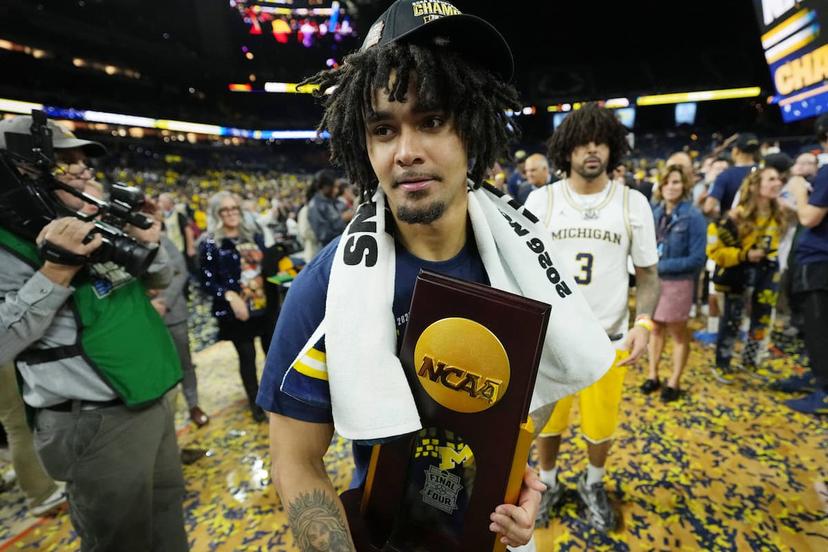
NCAA Expands March Madness Tournament to 76 Teams Beginning in 2027
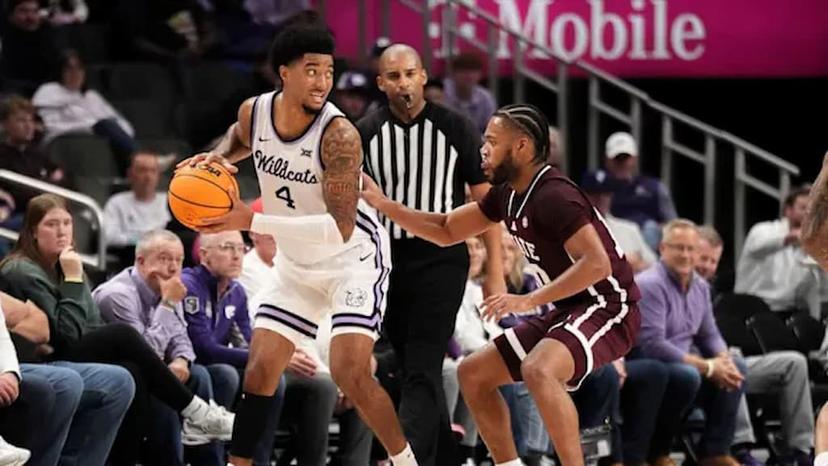
NCAA Basketball Transfer Portal Update: Portal Entries and New Signings
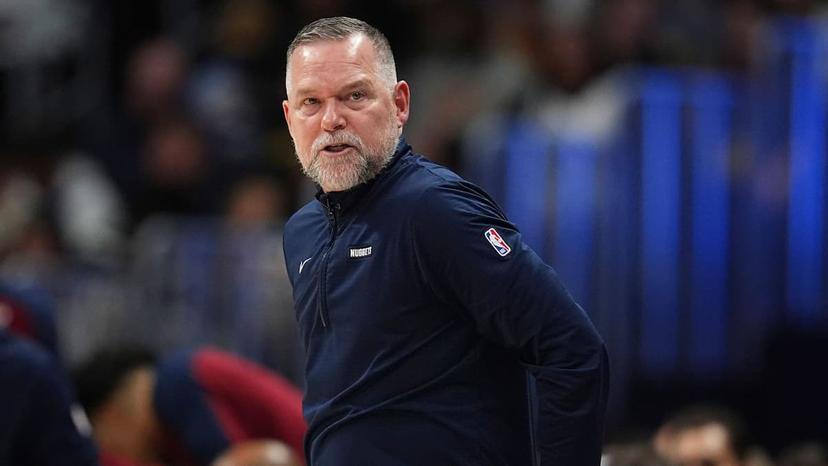
NCAA Basketball Coaching Changes: Where Are They Now?
#2 UConn vs. #1 Michigan Picks and Predictions: National Championship

Jonathan Rodriguez
Jonathan is an avid basketball fan, and is often looking forward to the next upcoming NBA season when not checking players' stats during games. He also likes to keep his ears on the ground for the latest rumblings in the online casino industry.
This site contains commercial content. We may be compensated for the links provided on this page. The content on this page is for informational purposes only. Betting News makes no representation or warranty as to the accuracy of the information given or the outcome of any game or event.