Wisconsin Files Lawsuits Against Online Prediction Markets

Written by: Jonathan Rodriguez
Published: Mon Apr 27, 2026, 9:00 am ET
Read Time: 3 minutes
industry
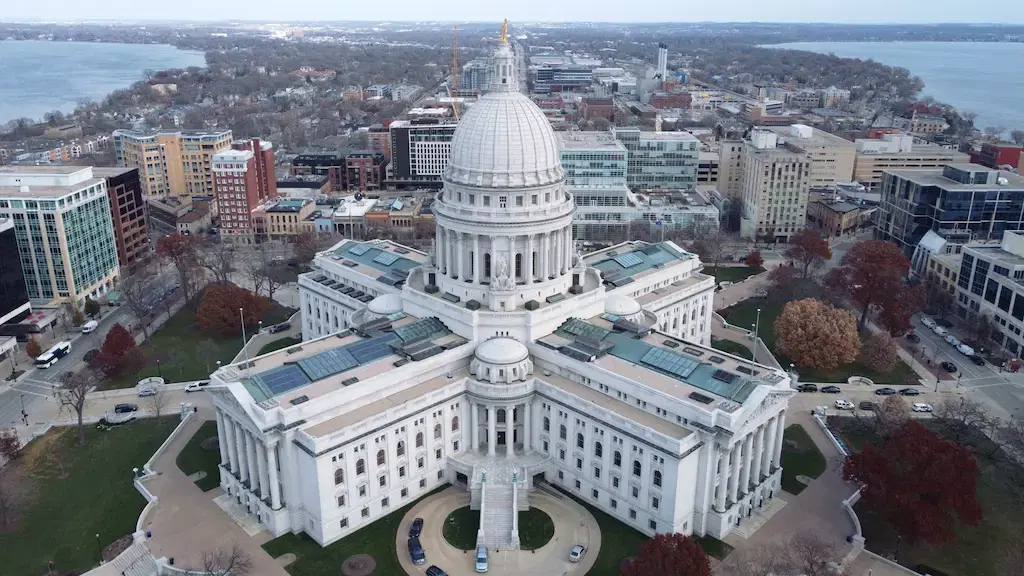
Wisconsin has filed multiple lawsuits against several prediction market companies. The state alleges these platforms operate illegal online sports betting within Wisconsin.
Authorities claim these services bypass state gambling laws through financial-style contracts. The actions intensify scrutiny on US online sportsbooks and emerging prediction platforms.
Officials argue that companies such as Kalshi, Polymarket, Robinhood, Coinbase, and Crypto.com offer sports-linked event contracts.
These contracts allow users to wager on outcomes like game results and player performance. Therefore, Wisconsin claims the platforms function as unlicensed sportsbooks.
Attorney General Josh Kaul filed the lawsuits in Dane County Circuit Court. He stated that companies disguise betting activity as financial trading.
Moreover, he argued that Wisconsin gambling laws clearly prohibit such activity without state authorization. The state seeks immediate and permanent restrictions on these markets.
What is Wisconsin's Argument Against Online Prediction Markets?
According to their press release, Wisconsin AG Kaul argues that prediction markets replicate traditional sports betting structures. Users buy contracts that pay based on yes-or-no outcomes. Consequently, the state says this mirrors binary betting used by sportsbooks.
Additionally, officials claim platforms collect fees on each trade. This revenue model resembles bookmaker operations. As a result, Wisconsin classifies these contracts as gambling products, not financial instruments.
The state also emphasizes consumer protection concerns. Regulators warn that users may not understand the gambling-like risks involved. Furthermore, Wisconsin argues that these platforms bypass established licensing systems.
Legal Relief Sought by Wisconsin
Wisconsin requests several forms of legal relief. First, the state seeks injunctions to block sports-related contracts. Second, it requests courts to classify the activity as illegal gambling.
In addition, Wisconsin asks for financial penalties against the companies. The lawsuits also seek to restrict future operations in the state. Authorities aim to shut down what they call unregulated sports wagering disguised as trading.
Wisconsin's Political and Regulatory Backdrop
Wisconsin's legal action reflects broader tensions in state gambling policy. The state recently expanded limited tribal online wagering frameworks. However, commercial sports betting remains heavily restricted.
Therefore, regulators view prediction markets as a regulatory loophole. They argue these platforms undermine Wisconsin gambling laws. Moreover, tribal gaming stakeholders have raised concerns about unfair competition.
The case also highlights uncertainty in federal oversight. Platforms often cite regulation under the U.S. Commodity Futures Trading Commission. However, Wisconsin maintains that state gambling law still applies.
Prediction Markets Defend Their Legal Position
The online prediction markets involved strongly reject Wisconsin's claims. They argue their platforms operate as regulated financial markets. In particular, they point to oversight frameworks tied to federal derivatives rules.
Furthermore, firms such as Kalshi and Robinhood state that event contracts are not gambling products. Instead, they describe them as financial instruments used for forecasting.
They also argue that federal regulation preempts state gambling laws. Therefore, they claim Wisconsin lacks authority to restrict their operations. The companies insist they comply with all applicable federal requirements.
Broader Context of Legal Challenges Nationwide
Wisconsin's lawsuits reflect a growing national regulatory conflict. Several states have taken similar action against prediction markets. These include New York, Arizona, Nevada, and Washington.
In these states, regulators question whether event contracts constitute gambling. Consequently, courts increasingly face disputes over classification and jurisdiction.
At the same time, US online sportsbooks continue operating under established licensing regimes. This contrast fuels debate over regulatory consistency in Wisconsin gambling enforcement.
Ultimately, the outcome of these cases may shape the future of prediction markets. It could also redefine how digital wagering products operate across the United States.
Betting Industry News Betting Industry News Betting Industry News Betting Industry NewsMore Industry News
MD Sports Betting: Sept Handle $652M, Revenue Down 20%

New Brunswick Eyeing Private iGaming Market

Sen. Ted Cruz Bill Targets Federal Sports Prediction Markets

New Jersey Mandates Data-Driven Gambling Checks

Jonathan Rodriguez
Jonathan is an avid basketball fan, and is often looking forward to the next upcoming NBA season when not checking players' stats during games. He also likes to keep his ears on the ground for the latest rumblings in the online casino industry.
This site contains commercial content. We may be compensated for the links provided on this page. The content on this page is for informational purposes only. Betting News makes no representation or warranty as to the accuracy of the information given or the outcome of any game or event.