US Court Halts Arizona Case Against Kalshi After CFTC Move

Written by: Jonathan Rodriguez
Published: Tue Apr 14, 2026, 11:00 am ET
Read Time: 4 minutes
industry
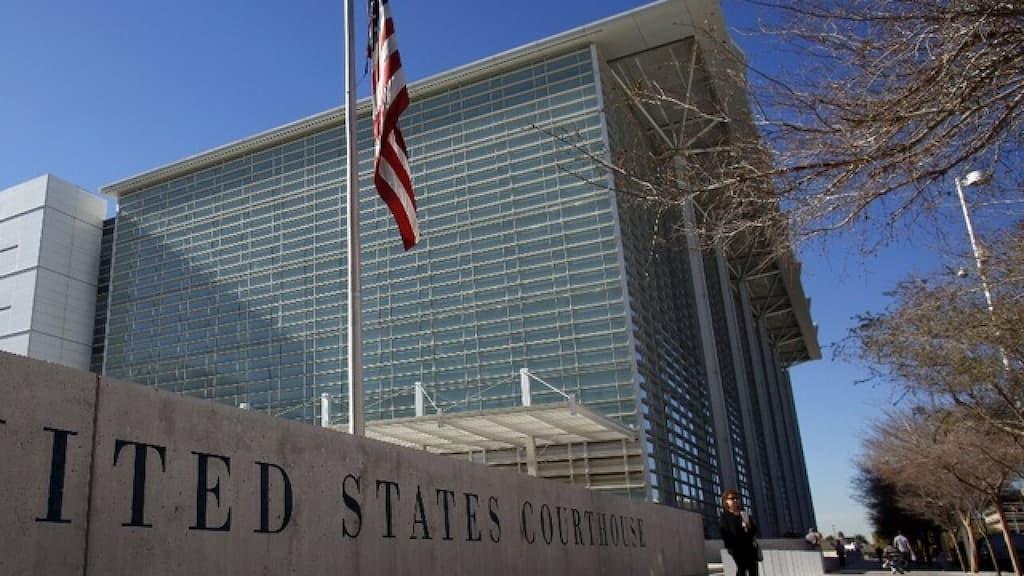
A US federal court has temporarily halted Arizona's criminal prosecution of prediction market operator Kalshi. The ruling follows intervention from the Commodity Futures Trading Commission (CFTC).
The decision intensifies a national dispute over prediction markets and state gambling authority. It also raises fresh questions for Arizona gambling enforcement policies.
US Federal Court Halts Arizona Case Against Kalshi After CFTC Intervention
Arizona had pursued criminal charges against Kalshi over alleged illegal gambling activity. The case focused in part on political election contracts offered on the platform.
These contracts have drawn scrutiny due to their sensitivity and public interest implications. Arizona argued that these products resemble wagering activity similar to US online sportsbooks.
However, the federal court issued a temporary restraining order (TRO). In a press release from the CFTC, the TRO pauses Arizona's prosecution while federal jurisdiction questions are reviewed.
Importantly, the court cited federal supremacy concerns under the US Constitution. It specifically referenced the Supremacy Clause as the legal foundation for intervention. This clause establishes that federal law overrides conflicting state law.
Meanwhile, the CFTC intervened to defend its regulatory authority over event contracts.
It argued that Kalshi operates under the Commodity Exchange Act as a federally regulated exchange.
Therefore, state-level criminal enforcement could interfere with national market oversight.In addition, the case reflects broader regulatory pressure beyond Arizona.
Arizona Case Against Kalshi and the Federal TRO Intervention
Arizona prosecutors alleged that Kalshi facilitated unlicensed gambling under state law. They specifically pointed to election-based contracts as problematic financial wagers. These contracts allow users to trade outcomes tied to real-world political events. Therefore, Arizona argued that Kalshi violated state gambling statutes.
However, Kalshi and the CFTC rejected that classification. Kalshi maintained that its platform offers federally regulated financial derivatives. The CFTC supported this interpretation under federal commodities law.
Moreover, the federal court granted the TRO to maintain legal stability during litigation. The court emphasized the Supremacy Clause as central to its reasoning.
This constitutional principle gives federal law precedence over conflicting state enforcement actions.
Core Legal Conflict: State vs Federal Power
This case centers on whether prediction markets fall under gambling law or federal financial regulation. Arizona's position focuses on consumer protection and gambling enforcement authority.
It argues that Kalshi's election contracts resemble sports and event betting products. Therefore, it treats them as illegal under Arizona gambling laws.
Conversely, Kalshi and the CFTC argue federal exclusivity in regulating derivatives markets.
They classify election contracts and other event markets as federally approved financial instruments.
Thus, they claim state laws cannot override federal jurisdiction.
This dispute highlights growing legal uncertainty around prediction markets nationwide.
What the Court's Decision Means for the Kalshi Case
The federal court's TRO does not decide the final outcome. Instead, it temporarily stops Arizona's prosecution against Kalshi. However, it signals strong consideration of federal supremacy under constitutional law.
This ruling matters because it could influence how states regulate platforms similar to US online sportsbooks. It also raises broader questions about election-based trading products and market integrity.
Furthermore, it may shape how courts interpret the boundary between gambling and financial trading.
Industry observers view this as part of a broader national regulatory shift. It suggests that prediction markets may increasingly fall under federal rather than state oversight.
What Happens Next for Arizona, Kalshi, and the CFTC?
Arizona may continue to challenge the federal court's jurisdictional reasoning. It is expected to argue that state gambling authority remains intact despite federal intervention. However, it must pause its prosecution while the TRO remains in effect.
Kalshi will continue operating under CFTC oversight during ongoing litigation. The company will likely emphasize its status as a federally regulated exchange. The CFTC will continue defending its authority in Arizona and other states. It is actively engaged in similar regulatory conflicts in Illinois and Connecticut.
The Arizona case will proceed through federal courts for further review. Its outcome could reshape how prediction markets are regulated across the United States.
Betting Industry News Betting Industry News Betting Industry News Betting Industry NewsMore Industry News

MD Sports Betting: Sept Handle $652M, Revenue Down 20%

New Brunswick Eyeing Private iGaming Market

Sen. Ted Cruz Bill Targets Federal Sports Prediction Markets

New Jersey Mandates Data-Driven Gambling Checks

Jonathan Rodriguez
Jonathan is an avid basketball fan, and is often looking forward to the next upcoming NBA season when not checking players' stats during games. He also likes to keep his ears on the ground for the latest rumblings in the online casino industry.
This site contains commercial content. We may be compensated for the links provided on this page. The content on this page is for informational purposes only. Betting News makes no representation or warranty as to the accuracy of the information given or the outcome of any game or event.