Congress Urged to Restrict Sports Event Contracts

Written by: Jonathan Rodriguez
Published: Fri Jul 24, 2026, 8:00 am ET
Read Time: 4 minutes
industry
Multiple gaming associations and members of Congress are urging lawmakers to address the growing conflict surrounding sports event contracts offered by prediction markets.
The American Gaming Association (AGA) and Indian Gaming Association (IGA) argue that platforms offering these contracts operate like nationwide sportsbooks. They say prediction markets bypass state and tribal gambling laws while avoiding traditional consumer protections.
The debate has also attracted congressional attention as courts and the Commodity Futures Trading Commission (CFTC) continue to fight over regulatory authority. The dispute could significantly affect the future of USA gambling and competition with US online sportsbooks.
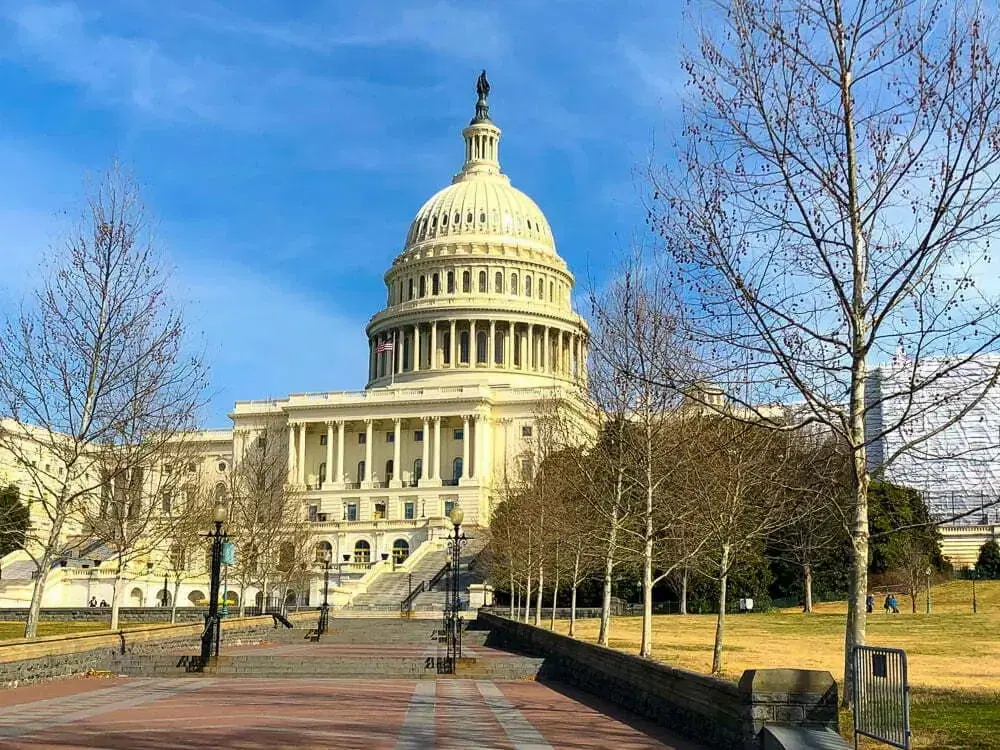
House Hearing Highlights Calls for Congressional Action
The House Agriculture Subcommittee on Commodity Markets, Digital Assets, and Rural Development held a hearing on July 21. The session examined customer protections and market integrity within sports event prediction markets.
Lawmakers and witnesses discussed several potential solutions. These included banning sports event contracts nationwide, increasing CFTC resources, and allowing prediction markets to operate alongside traditional sportsbooks.
Rep. Dusty Johnson, the subcommittee's chairman, argued that Congress should not remain silent while courts and regulators determine the future of sports event contracts.
"We have an obligation to drive towards finding out what is the common ground. More than one witness today said there is need for additional clarity. It may be that the courts and commission alone can provide that needed clarity, yet if we don't ask whether or not there's an important role for Congress, we are not doing our job," he said.
Johnson's comments reflect the growing urgency surrounding the issue. Courts have issued conflicting decisions, while the CFTC continues asserting federal authority over derivatives-based event contracts.
AGA Opposes Prediction Markets Offering Sports Event Contracts
The AGA strongly opposes prediction markets offering sports event contracts through their platforms. The association says these products function as sports wagers rather than traditional financial derivatives.
AGA Senior Vice President of Government Relations Christopher Cylke argued that prediction markets undermine the framework built around regulated sports betting.
"Sports betting on prediction markets makes a mockery of congressional intent," Cylke said. "Congress did not want sports betting to be conducted on derivatives markets. These products are sports betting, plain and simple."
The AGA says prediction markets can offer moneylines, totals, parlays, and props without following the same rules as licensed sportsbooks. Traditional operators must comply with requirements involving age verification, geofencing, responsible gambling, licensing, taxation, and suspicious activity monitoring.
By contrast, the AGA argues that prediction markets can reach customers across state lines through federal derivatives regulation. The association estimates that states and tribes have already lost more than $1.2 billion in gaming tax revenue.
Consequently, the AGA wants Congress to prevent CFTC-regulated entities from offering nationwide sports betting. It also says the CFTC should not become the country's de facto gambling regulator.
IGA Raises Concerns Over Tribal Gaming Authority
The IGA has raised similar concerns about prediction markets undermining tribal gaming laws.
Tribal gaming operates under a regulatory framework that includes the Indian Gaming Regulatory Act and agreements between tribal governments and states. The IGA argues that prediction markets threaten this system by offering sports betting without obtaining state or tribal authorization.
IGA Chairman David Bean criticized the current regulatory situation during the congressional hearing.
"However, the current one-person CFTC has removed local governments from the online gambling debate, proclaiming that online sports betting is now legal on every Indian reservation and in every state. No one voted for this, and Congress did not pass a law to authorize online sports gambling," Bean noted.
Bean also argued that prediction markets create risks for tribal jobs, public services, and gaming-related tax revenue. He said tribal gaming supports healthcare, education, housing, public safety, and infrastructure across Indian Country.
The IGA also criticized prediction market marketing and consumer protection practices. According to the association, some platforms can offer sports-related contracts to customers as young as 18.
What Happens Next in the Sports Event Contracts Debate?
The next phase will likely depend on Congress, the courts, and the CFTC.
At present, prediction market operators argue that federal law gives the CFTC exclusive authority over qualifying derivatives. They say sports event contracts remain financial products, even when they involve sporting outcomes.
State regulators and gaming associations reject that position. They argue that sports event contracts function as wagers and should remain under state and tribal gambling authority.
The conflict has already produced lawsuits across the country. More than 40 state attorneys general have filed legal briefs or comments opposing prediction market sports betting, while the CFTC continues defending federal oversight.
Congress could eventually amend the Commodity Exchange Act to prohibit sports event contracts. Alternatively, lawmakers could clarify that the CFTC has authority over these products.
For now, the House hearing indicates that lawmakers will continue examining the issue. Rep. Johnson also confirmed that the hearing will not be the last congressional discussion.
As the debate continues, the outcome could reshape USA gambling and the competitive landscape for US online sportsbooks. It could also determine whether sports event contracts become a permanent alternative to traditional sports betting or face a nationwide ban.
Betting Industry News Betting Industry News Betting Industry News Betting Industry NewsMore Industry News
MD Sports Betting: Sept Handle $652M, Revenue Down 20%

New Brunswick Eyeing Private iGaming Market
Sen. Ted Cruz Bill Targets Federal Sports Prediction Markets

New Jersey Mandates Data-Driven Gambling Checks

Jonathan Rodriguez
Jonathan is an avid basketball fan, and is often looking forward to the next upcoming NBA season when not checking players' stats during games. He also likes to keep his ears on the ground for the latest rumblings in the online casino industry.
This site contains commercial content. We may be compensated for the links provided on this page. The content on this page is for informational purposes only. Betting News makes no representation or warranty as to the accuracy of the information given or the outcome of any game or event.