Novig Sues New York Over Prediction Markets

Written by: Jonathan Rodriguez
Published: Mon Aug 10, 2026, 8:00 am ET
Read Time: 6 minutes
industry
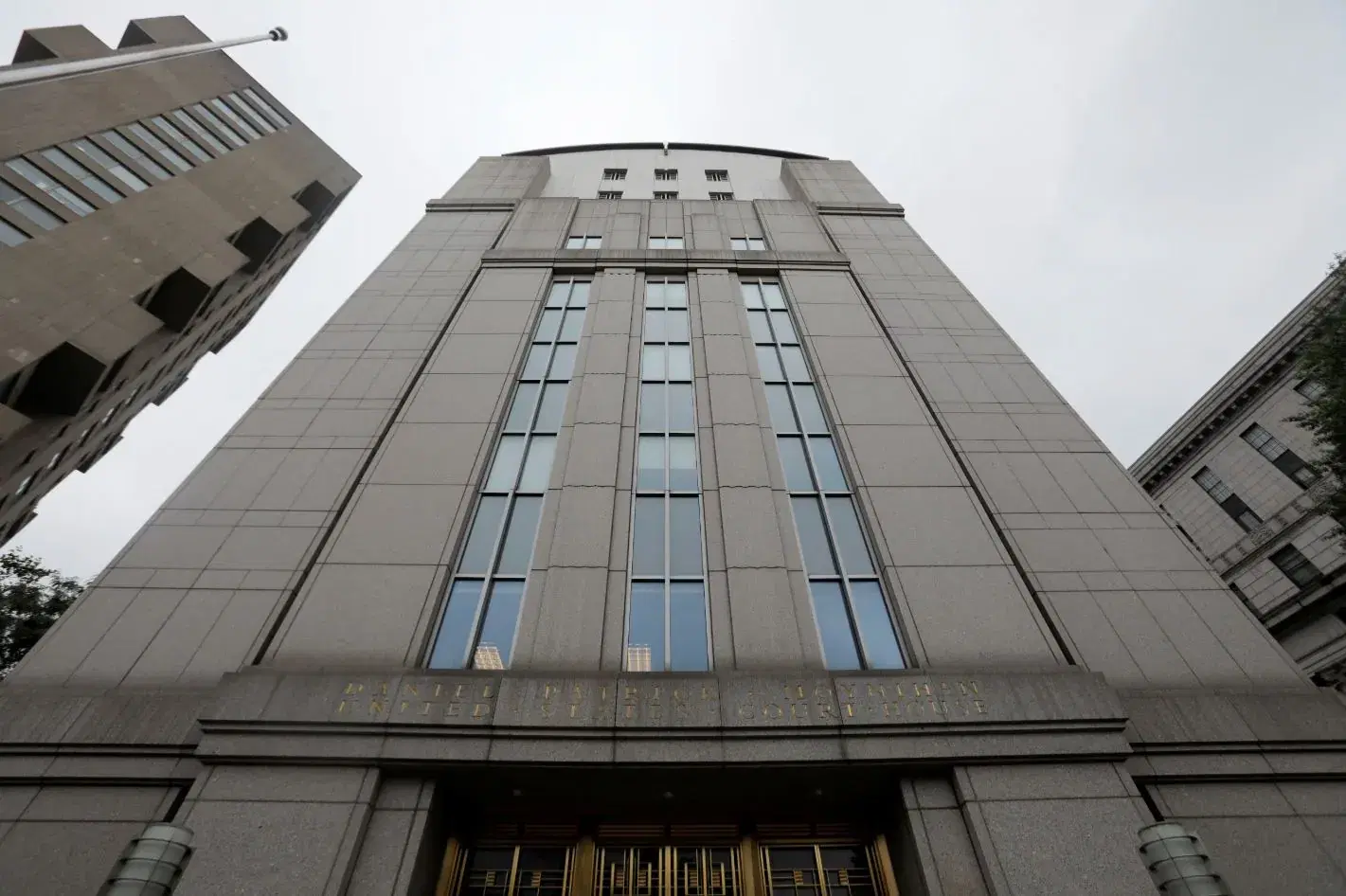
Novig has sued New York in federal court after launching its federally regulated prediction market. The company filed its lawsuit on August 5, 2026, in the U.S. District Court for the Southern District of New York.
The lawsuit challenges New York's authority to regulate Novig's sports event contracts under state gambling laws. Notably, the filing came less than two months after Novig secured federal approval for its exchange.
Now, the company wants a federal court to prevent New York from applying its gambling laws to those contracts.
Novig Launches Federally Regulated Prediction Market
On June 16, 2026, the Commodity Futures Trading Commission (CFTC) designated Ludlow Exchange LLC as a Designated Contract Market (DCM). That approval gave Novig a federal regulatory framework for offering sports-related event contracts.
Novig said the designation would allow it to operate under a single federal framework. That approach differs from traditional sportsbooks, which generally require state-specific licenses to operate legally.
Novig has focused its prediction market offering on sports, putting it closer to the traditional sports betting industry. The company's federal strategy also places it in direct competition with established US online sportsbooks.
Those operators typically operate under state gambling frameworks and must comply with individual market requirements. Prediction market operators instead argue that their event contracts qualify as federally regulated financial products.
However, that distinction has triggered legal disputes across the country.
Novig Challenges New York Gambling Restrictions
Novig filed its lawsuit on August 5, shortly after launching its federally regulated market. They argue that federal law preempts New York's attempt to regulate its federally approved event contracts.
The complaint specifically points to New York's actions against other federally regulated prediction-market operators.
"New York has moved aggressively against federally regulated event-contract trading within its borders, suing both KalshiEX LLC and Coinbase Financial Markets, Inc. under Executive Law § 63(12) for offering the type of contracts at issue here," the lawsuit reads.
"Novig, having just secured its status as a Designated Contract Market ("DCM") registered by the CFTC, brings this action to prevent Defendants from doing the same to Novig," counsel wrote in the lawsuit.
The argument places the CFTC's regulatory authority at the center of the dispute.
Novig wants the federal court to determine whether New York can impose its gambling restrictions on contracts traded through a CFTC-regulated exchange.
New York Has Escalated Its Prediction Market Fight
Novig's lawsuit comes as New York continues several major legal battles involving prediction markets.
The state has repeatedly argued that sports and other event contracts constitute gambling when offered to New York residents.
One of the most significant cases involves KalshiEX LLC v. New York State Gaming Commission. Kalshi sued New York after state regulators sought to treat its sports event contracts as gambling.
On July 7, U.S. District Judge Analisa Torres denied Kalshi's request for a preliminary injunction against New York regulators. The court found that Kalshi had not shown that the federal Commodity Exchange Act preempted New York's gambling laws as applied to its sports contracts.
New York officials celebrated the decision as a victory for the state's gambling laws.
Attorney General Letitia James and Governor Kathy Hochul said the state would continue holding prediction markets accountable.
The dispute is now moving forward as Kalshi appeals the ruling.
New York also sued Kalshi
New York escalated its fight further on July 31, when Attorney General Letitia James sued Kalshi in state court.
The lawsuit alleges that Kalshi operates an illegal gambling platform without a New York Gaming Commission license. State lawmakers argue that Kalshi's event contracts allow users to wager on sports, elections and other outcomes.
Meanwhile, Kalshi maintains that its contracts are federally regulated financial derivatives rather than state-regulated gambling products.
That case gives Novig another example of New York's increasingly aggressive approach toward prediction markets.
Coinbase and Gemini also face New York action
New York has also targeted Coinbase Financial Markets and Gemini over their prediction markets.
Attorney General James sued both companies on April 21, alleging that their platforms operate illegal, unlicensed gambling operations.
The lawsuits cover contracts involving sports, entertainment and elections. New York argues that the companies should have obtained state gambling licenses before offering those markets to residents.
The state is seeking financial penalties, the forfeiture of alleged illegal profits and customer restitution.
These cases show that New York's position extends beyond sports-focused prediction markets.
The state is challenging the broader premise that federally regulated event contracts can operate without state gambling authorization.
Why the New York Gambling Dispute Matters
The Novig case could have major consequences for New York gambling regulation and the wider US betting industry.
New York has established a state-regulated mobile sports betting market with licensed operators. Federally regulated prediction markets could challenge that structure if courts accept their federal preemption arguments.
A favorable ruling for Novig could strengthen the argument that DCMs can offer sports contracts without obtaining individual state gambling licenses.
That outcome could also make prediction markets more competitive with traditional sportsbooks.
On the other hand, a ruling for New York could reinforce states' ability to regulate sports prediction contracts. Such a decision could make nationwide expansion more difficult for federally regulated operators.
It could also preserve the state-by-state regulatory structure that governs traditional online sports betting.
Novig Case Adds to Broader Federal-State Conflict
Novig's lawsuit also adds another layer to the broader dispute between state regulators and the CFTC. The federal agency has defended the authority of federally regulated prediction markets in several state-level disputes.
Meanwhile, states argue that federal derivatives rules should not allow companies to bypass gambling regulations.
That conflict has become increasingly important as prediction markets expand into sports.
New York has emerged as one of the strongest opponents of that expansion. The state's cases against Kalshi, Coinbase and Gemini demonstrate its willingness to challenge multiple operators.
Novig's decision to sue before facing similar enforcement could therefore prove strategically important. The company is asking a federal court to resolve the regulatory question before New York takes action against its platform.
What Happens Next?
The Southern District of New York will now consider Novig's challenge to New York's regulatory authority.
The case could produce another important ruling on federal preemption and prediction markets.
Its outcome could also influence the ongoing Kalshi litigation and other state disputes involving federally regulated event contracts. A ruling for Novig could strengthen the CFTC's position and give prediction markets greater certainty when entering new states.
Conversely, a ruling for New York could reinforce state gambling authority over sports-related event contracts.
For traditional sportsbooks, the stakes are also significant. A stronger federal prediction market framework could introduce new competition across state-regulated sports betting markets.
Importantly, for New York, the case represents another test of its ability to enforce gambling laws against federally regulated operators.
Novig's lawsuit therefore extends beyond one company's market access. It could become another important case in the growing battle over whether prediction markets belong under federal financial regulation or state gambling law.
Betting Industry News Betting Industry News Betting Industry News Betting Industry NewsMore Industry News
NCPG Defends Kalshi Partnership Amid Industry Pushback
Louisiana Sports Betting Handle Hits $272.1M in August 2026
Michigan iGaming Revenue Hits $303M in August 2026
Massachusetts Sports Betting Handle Hits $571M in August 2026

Jonathan Rodriguez
Jonathan is an avid basketball fan, and is often looking forward to the next upcoming NBA season when not checking players' stats during games. He also likes to keep his ears on the ground for the latest rumblings in the online casino industry.
This site contains commercial content. We may be compensated for the links provided on this page. The content on this page is for informational purposes only. Betting News makes no representation or warranty as to the accuracy of the information given or the outcome of any game or event.