NJ Asks Supreme Court to Rule on Kalshi Prediction Markets

Written by: Jonathan Rodriguez
Last Update: Wed Sep 09, 2026, 2:18 am ET
Read Time: 4 minutes
industry
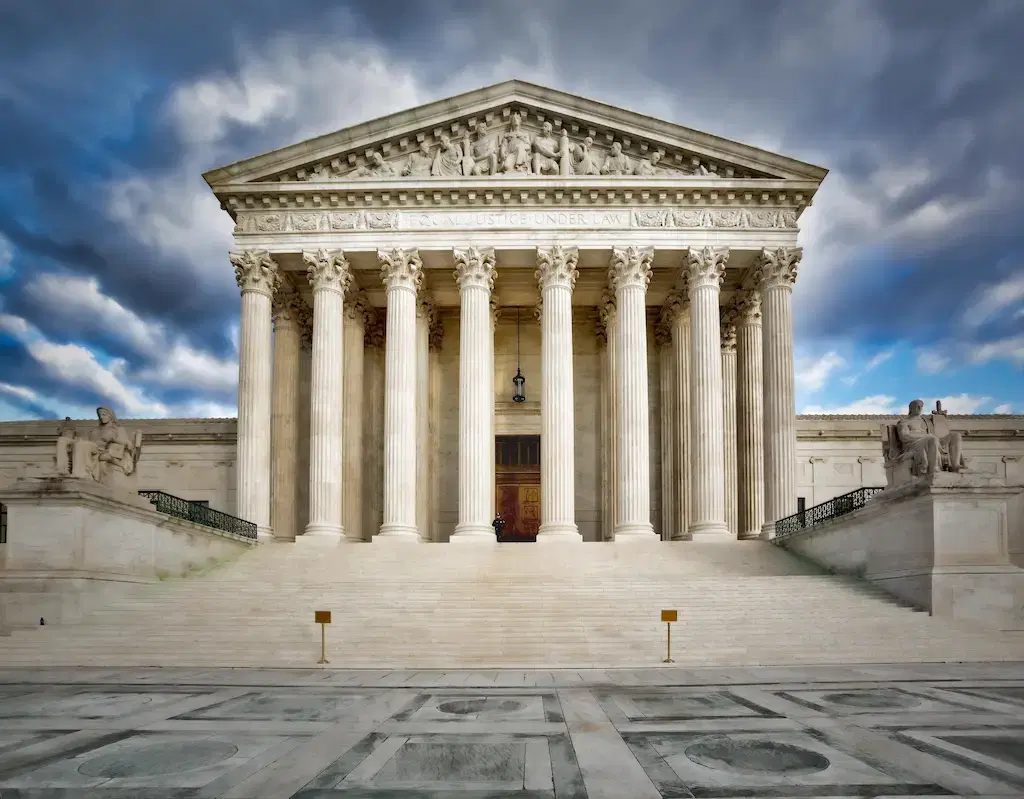
New Jersey has asked the U.S. Supreme Court to decide whether states can regulate sports contracts offered by prediction markets. The petition escalates a growing legal battle between state gambling regulators and federally regulated platforms.
New Jersey Attorney General Jennifer Davenport filed the petition on September 2. The state wants the Supreme Court to review an April ruling from the Third Circuit Court of Appeals. That decision favored Kalshi and limited New Jersey's ability to enforce its gambling laws against the platform.
The dispute centers on whether Kalshi's sports contracts qualify as financial derivatives or sports wagers. Kalshi argues that its contracts are swaps regulated exclusively by the Commodity Futures Trading Commission (CFTC). New Jersey rejects that position and argues that states retain authority over sports betting.
New Jersey Challenges Kalshi's Nationwide Sports Betting Model
The Garden State argues that prediction markets should follow the same gambling rules as traditional operators. Those rules include licensing requirements, age restrictions, and other consumer protections.
Davenport directly criticized Kalshi's approach in a statement accompanying the petition.
"Companies like Kalshi claim to offer legal sports betting in all 50 states, but they refuse to follow the gambling laws of any state," Davenport said.
"These companies have no right to offer their sports bets without following state law, which is why dozens of states across the ideological spectrum have opposed them."
The state also argues that the Third Circuit's decision could create broader problems for established gambling markets. New Jersey says the ruling could undermine state authority over sports betting more broadly.
The dispute could therefore have major implications for New Jersey gambling, particularly the state's established sports betting framework.
Importantly, the petition specifically invokes the Supreme Court's Major Questions Doctrine, adding another significant legal argument to the dispute.
New Jersey's 332-page filing argues that Congress did not clearly authorize the CFTC or the 2010 Dodd-Frank Act to transform state gambling regulation nationwide.
The state also argues that the Commodity Exchange Act (CEA), as amended by Dodd-Frank, was never intended to blanket-preempt state gambling laws.
That argument could prove important because the Major Questions Doctrine requires clear congressional authorization for federal agencies to decide issues of vast economic or political significance.
The case therefore involves more than the legality of Kalshi's sports contracts. It also raises questions about how far federal financial regulation can reach into areas traditionally controlled by individual states.
Third and Ninth Circuits Reach Different Conclusions
The Supreme Court petition follows conflicting decisions from two federal appeals courts.
In April, the Third Circuit ruled in favor of Kalshi. The court found that the platform's sports contracts qualified as swaps under federal law. It also concluded that the CFTC holds exclusive jurisdiction over those contracts.
The Ninth Circuit reached a different conclusion in an August ruling involving Nevada. The court questioned whether Congress intended to eliminate longstanding state gambling authority through the Dodd-Frank Act.
That disagreement creates a direct circuit split. New Jersey argues that the conflict requires Supreme Court intervention.
The conflicting rulings could have consequences well beyond the current dispute. A Supreme Court decision could establish a nationwide standard for regulating sports-related prediction contracts.
New Jersey Returns to the Supreme Court
The latest petition also carries historical significance for New Jersey.
In 2018, the state successfully challenged the federal ban on state-authorized sports betting in Murphy v. NCAA. The Supreme Court ruled that the federal Professional and Amateur Sports Protection Act improperly commandeered state governments.
That landmark decision helped open the door for states to establish their own sports betting frameworks. New Jersey subsequently became one of the largest regulated sports betting markets in the country.
Now, the state has returned to the Supreme Court over another dispute involving the boundaries of sports wagering authority.
The historical connection adds an ironic dimension to the current case. New Jersey once helped establish the modern state-by-state sports betting landscape. Now, it wants the Supreme Court to protect that authority from prediction-market platforms.
Prediction Markets Face Wider Regulatory Uncertainty
The outcome could significantly affect prediction markets and traditional gambling operators.
Kalshi has promoted its sports contracts as legal nationwide. The platform says it cannot operate under separate regulatory systems across all 50 states.
Traditional operators also have a major stake in the outcome. Prediction markets increasingly compete with US online sportsbooks by offering contracts tied to sporting events.
If states prevail, prediction-market operators could face state licensing requirements. They could also need to comply with individual gambling rules and restrictions.
If Kalshi prevails, federal regulation could continue taking precedence over state gambling laws. That result could allow prediction markets to expand their sports offerings without obtaining individual state licenses.
The case could also affect other platforms, including Polymarket and additional companies offering sports-related event contracts.
For now, the Supreme Court has not agreed to hear the case. The justices must first decide whether to grant New Jersey's petition.
Still, the circuit split has raised the stakes considerably. A Supreme Court ruling could determine whether prediction markets operate under state gambling frameworks or federal derivatives oversight.
Betting Industry News Betting Industry News Betting Industry News Betting Industry NewsMore Industry News

New Jersey Mandates Data-Driven Gambling Checks
Pennsylvania Sports Betting Revenue Jumps 50.45% in September

Utah AG Brown Sues Kalshi Over Alleged Illegal Gambling

Polymarket Sues Ohio Over Sports Betting Rules

Jonathan Rodriguez
Jonathan is an avid basketball fan, and is often looking forward to the next upcoming NBA season when not checking players' stats during games. He also likes to keep his ears on the ground for the latest rumblings in the online casino industry.
This site contains commercial content. We may be compensated for the links provided on this page. The content on this page is for informational purposes only. Betting News makes no representation or warranty as to the accuracy of the information given or the outcome of any game or event.