Michigan Judge Bans Kalshi Sports Betting Markets

Written by: Jonathan Rodriguez
Published: Tue Jun 30, 2026, 8:00 am ET
Read Time: 5 minutes

industry
A Michigan judge has temporarily barred Kalshi from offering sports event contracts to residents, marking another setback for the federally regulated prediction market platform.
The ruling follows a lawsuit filed by Michigan Attorney General Dana Nessel and the Michigan Gaming Control Board (MGCB), which argue that Kalshi's sports contracts violate state gambling laws.
The temporary restraining order (TRO) prevents Kalshi from allowing Michigan users to trade sports-related event contracts for 14 days while the case proceeds. Unless the court extends or replaces the order, it is scheduled to expire around July 13, 2026.
Judge Rosemarie Aquilina of the Ingham County Circuit Court also ordered Kalshi to implement licensed geolocation controls to block Michigan residents from accessing the markets. If the company fails to comply, it faces a court-ordered fine of $120,000 per day.
The decision adds Michigan to a growing list of states challenging Kalshi's sports markets. Meanwhile, the outcome could have lasting implications for US online sportsbooks, prediction markets, and the broader Michigan gambling industry.
Michigan Argues Kalshi Operates an Unlicensed Sportsbook
Michigan officials contend that Kalshi's sports event contracts function as sports betting products rather than federally protected financial derivatives. As a result, the state argues the company must obtain the same licenses required of regulated sportsbooks.
Attorney General Dana Nessel and the MGCB allege that Kalshi violated the Lawful Sports Betting Act, the Michigan Gaming Control and Revenue Act, and provisions of the Michigan Penal Code.
According to the lawsuit, the company also bypasses consumer protections that licensed operators must follow, including responsible gambling measures, age verification, and regulatory oversight.
Before the state court hearing, Kalshi attempted to move the case into federal court. However, U.S. District Judge Paul Maloney rejected that request and returned the dispute to the Ingham County Circuit Court, allowing Michigan's lawsuit to proceed before Judge Aquilina.
Judge Aquilina agreed that the state demonstrated a likelihood of irreparable harm if Kalshi continued operating during the litigation. The court found that consumers could mistakenly view sports betting products as investment opportunities while lacking protections required under state law.
Michigan AG Supports Court's Decision
Following the ruling, Nessel praised the court's decision.
"Our gambling laws exist to protect Michiganders from unlicensed, predatory operations, and failing to comply with them carries serious legal consequences," Nessel said in a statement.
"I am proud of the attorneys in my office who not only kept this case in state court but also secured an order protecting residents as this litigation moves forward."
She also reaffirmed the state's enforcement efforts.
"We remain committed to enforcing a level playing field for all gambling platforms in Michigan and ensuring that companies cannot evade accountability or exploit consumers under the guise of a prediction market."
The ruling also requires Kalshi to use a geolocation provider approved by the MGCB. Failure to comply with that requirement will trigger the court-ordered $120,000 daily fine until the company meets the injunction's terms.
Kalshi Vows to Continue Its Legal Fight
Kalshi maintains that its sports event contracts are federally regulated financial products rather than gambling offerings.
The company argues that it operates as a designated contract market under the Commodity Futures Trading Commission (CFTC). Therefore, it believes the Commodity Exchange Act preempts state gambling laws from regulating its contracts.
Kalshi has consistently argued that only the CFTC has authority over its markets. The company also maintains that allowing individual states to regulate federally approved contracts would create conflicting legal standards nationwide.
Following the Michigan injunction, Kalshi indicated that it intends to continue challenging the state's position while pursuing available appeals. The company continues to argue that its sports contracts fall exclusively under federal oversight.
More States Move Against Kalshi as Prediction Market Debate Grows
Michigan joins several states that have taken legal or regulatory action against Kalshi's sports contracts.
Nevada previously secured an injunction preventing Kalshi from offering similar markets. Massachusetts also obtained an injunction, although that order remains, pending further appeals.
States like Ohio, Tennessee, and Arizona have issued cease-and-desist orders. They are also pursuing legal action against Kalshi.
The expanding legal battle reflects growing concern among regulators that prediction markets compete directly with licensed sportsbooks while operating outside traditional gaming frameworks.
CFTC Faces Scrutiny Over Prediction Market Lawsuits
The legal conflict extends beyond individual states. Several Democratic U.S. senators recently urged the CFTC to stop using taxpayer funds to support lawsuits against states attempting to regulate prediction markets.
The lawmakers argue that states have legitimate authority to protect consumers and regulate gambling within their borders.
The CFTC continues to maintain that federally approved event contracts fall within its regulatory jurisdiction under the Commodity Exchange Act. That position aligns with Kalshi's legal arguments and remains central to the ongoing litigation.
The disagreement has created an increasingly complex jurisdictional dispute between federal financial regulators and state gaming authorities.
What Happens Next?
The temporary restraining order will remain in effect for 14 days unless the court extends or modifies it. That means the current order is expected to expire around July 13, 2026. Although , additional hearings could result in a longer injunction.
Kalshi will likely seek to overturn the order through additional legal proceedings. At the same time, Michigan will continue arguing that the company operates an unlicensed sportsbook within the state.
More broadly, courts across the country will continue weighing whether sports event contracts qualify as financial derivatives or gambling products. Those decisions could reshape the competitive landscape for prediction markets and US online sportsbooks alike.
Until appellate courts provide clearer guidance, operators, regulators, and consumers should expect additional legal challenges.
The outcome could ultimately determine how prediction markets fit within the evolving framework of Michigan gambling laws and the wider U.S. gaming industry.
Betting Industry News Betting Industry News Betting Industry News Betting Industry NewsMore Industry News

Games Global Gains West Virginia iGaming License
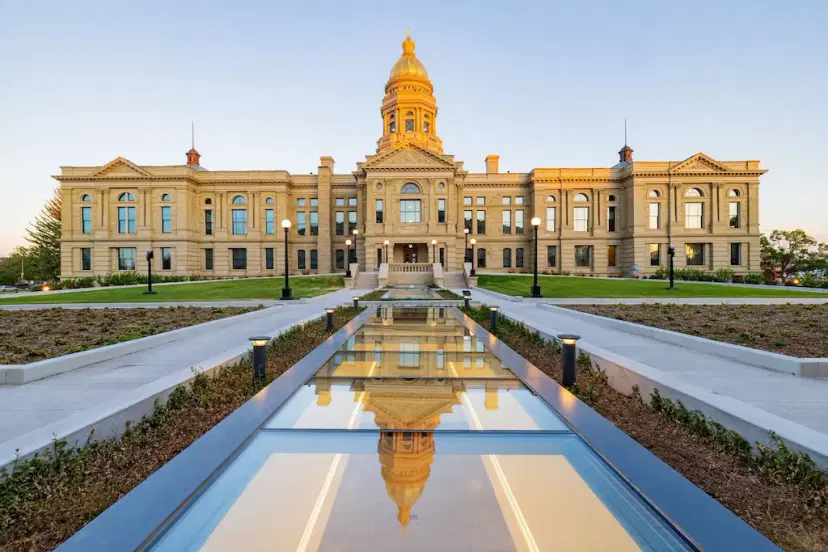
Wyoming Lawmakers Advance Sweepstakes Casino Ban Proposal
NBA and WNBA Launch Responsible Gambling Campaign
NY Proposes AI Restrictions & At-Risk Sportsbook Rules

Jonathan Rodriguez
Jonathan is an avid basketball fan, and is often looking forward to the next upcoming NBA season when not checking players' stats during games. He also likes to keep his ears on the ground for the latest rumblings in the online casino industry.
This site contains commercial content. We may be compensated for the links provided on this page. The content on this page is for informational purposes only. Betting News makes no representation or warranty as to the accuracy of the information given or the outcome of any game or event.