H.R.10357 Advances Gambling Loss Tax Deduction Fix

Written by: Jonathan Rodriguez
Published: Thu Sep 17, 2026, 9:00 am ET
Read Time: 4 minutes
industry
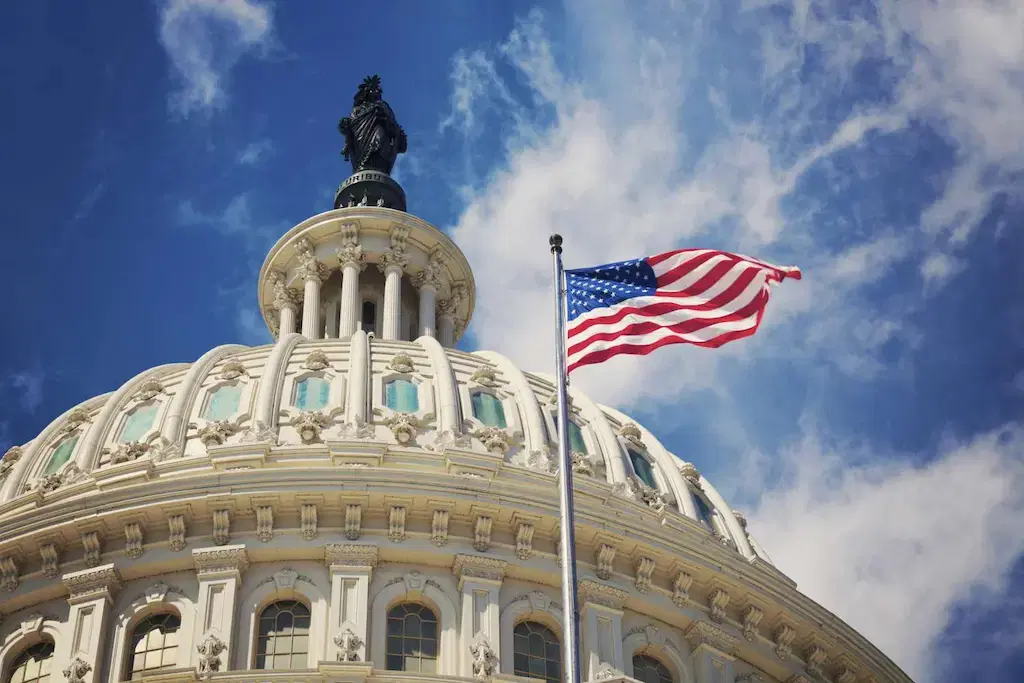
U.S. lawmakers have advanced H.R. 10357, known as the Digital Asset Tax Certainty Act. The measure seeks to restore the full federal tax deduction for gambling losses.
On September 16, the House Ways and Means Committee approved the package in a 38-5 vote. While the bill primarily regulates digital assets, it carries a vital fix for sports bettors and casino players. It repeals a planned 90% cap on loss deductions set by the One Big Beautiful Bill Act.
Without this intervention, the restrictive limit will take effect on January 1, 2026, forcing gamblers to pay federal taxes on money they never actually kept.
H.R. 10357 Targets the Gambling Loss Deduction
The gambling provision addresses a significant change to federal gambling taxation. The One Big Beautiful Bill Act reduced the allowable gambling loss deduction from 100% to 90%.
That change applies to taxable years beginning after December 31, 2025. Consequently, gamblers could face taxes on part of their losses despite finishing the year without a net gambling profit.
For example, consider a bettor who reports $100,000 in gambling winnings and $100,000 in losses. Under the 90% limitation, only $90,000 of losses could be deducted.
The remaining $10,000 could therefore become taxable gambling income. This creates the concern that gamblers could owe federal taxes on money they did not ultimately retain.
The provision could affect players across the broader USA gambling market. It also has implications for customers using US online sportsbooks and US online casinos, particularly those with significant wagering activity.
Titus' FAIR BET Act Shares the Same Goal
Rep. Dina Titus (D-Nev.) has separately led efforts to reverse the 90% limitation. Her FAIR BET Act seeks to restore the full 100% deduction for gambling losses.
The FAIR BET Act and H.R. 10357 are separate pieces of legislation. However, they address the same underlying tax issue.
Titus introduced the FAIR BET Act after Congress approved the 90% limitation. She has spent more than a year seeking legislative support for reversing that provision.
The latest development gives that campaign another route forward. Rather than advancing the FAIR BET Act itself, the House committee included a gambling-loss deduction fix in H.R. 10357.
Titus welcomed the committee's action while urging lawmakers to move quickly.
"After 14 months of fighting to get this commonsense, bipartisan fix through committee, we must now encourage the House to approve this measure before Jan. 1, 2027. This would stop the reduction to 90 percent from taking effect and ensure gamblers across the nation do not pay this tax on phantom money they never won," Congresswoman Titus said.
"Altering the tax code was a ruse in the One, Big, Beautiful Bill at the expense of recreational and professional gamblers. As I have said many times, it must be fixed."
Her comments underline the distinction between the two legislative efforts. The FAIR BET Act represents Titus' dedicated gambling tax proposal, while H.R. 10357 provides another legislative vehicle for the same objective.
Gambling Industry Supports a Full Deduction
The proposed reversal has attracted support from businesses and organizations across the gambling industry. Supporters include major casino operators, sportsbooks and industry groups.
MGM Resorts, Caesars Entertainment, Wynn Resorts, DraftKings and FanDuel have backed efforts to restore the full deduction. The American Gaming Association and Nevada Resort Association have also supported the change.
Industry supporters have argued that the 90% rule could create tax liabilities disconnected from a gambler's actual financial results. They have therefore called for gambling losses to remain fully deductible against gambling winnings.
The issue carries particular significance for Nevada's gaming industry. However, the proposed change would apply to eligible taxpayers nationwide.
It could also affect bettors who place wagers across multiple platforms during a tax year. That includes customers using US online sportsbooks and other legal gambling services.
H.R. 10357 Still Needs to Become Law
The Ways and Means Committee's vote does not restore the 100% deduction by itself. H.R. 10357 must still advance through the remaining congressional process.
The House must consider the measure before it can proceed to the Senate. The Senate would then need to approve the relevant legislation before it reaches the president.
Titus has urged House leaders to act before January 1, 2027. Her goal is to prevent the 90% deduction limit from becoming the lasting federal treatment for gambling losses.
The latest committee vote therefore gives supporters of the gambling tax fix a new legislative path. However, the 100% deduction remains a proposed change until Congress completes the process and the measure becomes law.
Betting Industry News Betting Industry News Betting Industry News Betting Industry NewsMore Industry News

Peter & Sons Expands Into Ontario and Alberta
Illinois Plans New Responsible Gambling Marketing Rules

Major US Leagues Seek Lifetime Bans for Abusive Bettors
NJ Lawmakers Approve AR 150 to Limit Targeted Gambling Ads

Jonathan Rodriguez
Jonathan is an avid basketball fan, and is often looking forward to the next upcoming NBA season when not checking players' stats during games. He also likes to keep his ears on the ground for the latest rumblings in the online casino industry.
This site contains commercial content. We may be compensated for the links provided on this page. The content on this page is for informational purposes only. Betting News makes no representation or warranty as to the accuracy of the information given or the outcome of any game or event.