NJ Lawmakers Approve AR 150 to Limit Targeted Gambling Ads

Written by: Jonathan Rodriguez
Published: Wed Sep 16, 2026, 8:00 am ET
Read Time: 4 minutes
industry
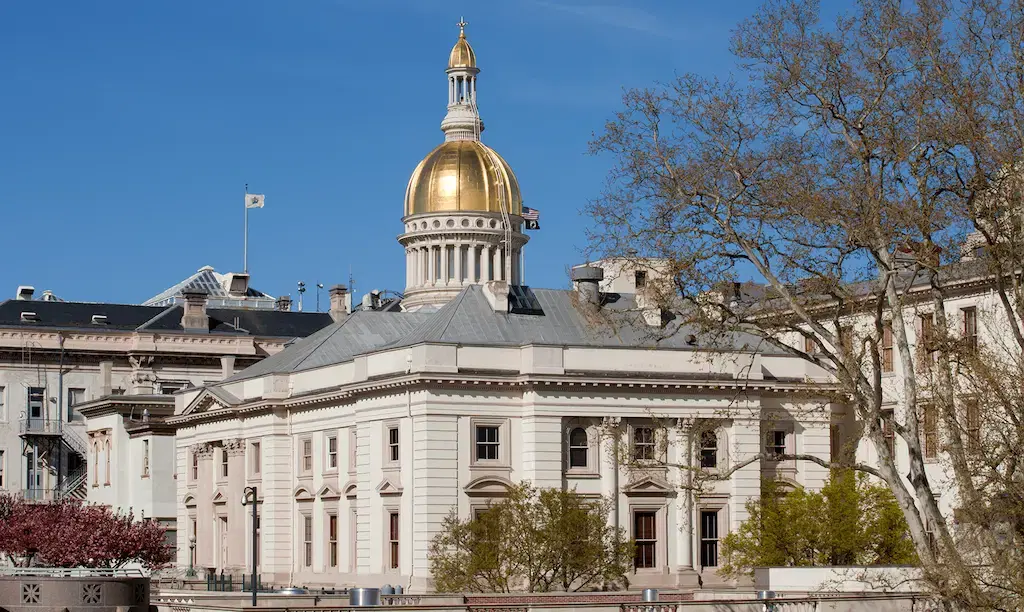
New Jersey lawmakers are seeking tighter controls on gambling advertising aimed at vulnerable consumers. The Assembly Tourism, Gaming and the Arts Committee unanimously approved Assembly Resolution 150 (AR 150) on September 14. The resolution urges restrictions on advertisements targeting people showing signs of problem gambling or addiction.
This move follows after the controversy involving FanDuel and Philadelphia Phillies star Bryce Harper. A customer who said he lost around $1.5 million through FanDuel received a personalized video featuring Harper. The customer attributed those losses to gambling addiction, according to reports discussed by lawmakers.
AR 150 Targets Personalized Gambling Promotions
AR 150 urges gambling operators to avoid personalized marketing aimed at known or suspected problem gamblers. The resolution covers sports wagering licensees, casino licensees, contracted operators, and internet gaming affiliates.
It also calls on professional sports leagues and players associations to reject targeted VIP marketing involving vulnerable customers. The resolution identifies personalized promotions featuring athletes or celebrities as a particular concern.
Assemblyman William Moen Jr., D-Camden, sponsored the resolution and addressed the controversy during the committee meeting. He argued that the personalized video could encourage the customer to continue gambling.
"This resolution simply urges the prohibition of this kind of advertising to prevent this type of situation from occurring in the future," Moen said. "This is something that we see as a problem."
However, AR 150 does not create an immediate advertising prohibition. Instead, it urges the General Assembly and gambling industry to adopt restrictions. The resolution also does not establish a detailed test for determining when a gambler qualifies as vulnerable.
FanDuel Video Drives Advertising Concerns
The controversy centers on a Cameo video Harper recorded in November 2024. The original request reportedly asked him to create a holiday message for a FanDuel customer.
The resulting video addressed the customer by name, mentioned his son, and thanked him for his support. Harper later said FanDuel added its branding and used the video for promotional purposes without his knowledge or consent.
The New Jersey resolution cites the case as an example of personalized marketing reaching a customer experiencing serious gambling-related financial problems. Its text says the customer had reportedly lost more than $1.5 million through the platform.
For operators and US online sportsbooks, the development adds another area of responsible gambling scrutiny. New Jersey gambling regulators and lawmakers are increasingly examining how operators communicate with high-value customers.
Lawmakers Also Advance Self-Exclusion Measures
The committee also unanimously advanced Assembly Bill 5210 (A5210), which addresses the state's self-exclusion program. The measure would require people seeking removal from self-exclusion lists to watch educational and counseling videos.
A5210 would also permit third-party exclusion requests under certain circumstances. Those circumstances include situations where a third party has sole or joint financial responsibility for funds that could be used for gambling.
The New Jersey Racing Commission and New Jersey Division of Gaming Enforcement (DGE) would play key regulatory roles if these measures advance. The agencies would establish and administer rules governing the proposed self-exclusion changes.
The Sports Betting Alliance opposed A5210 but did not testify during the committee meeting.
Regulatory Agencies Could Shape Future Restrictions
AR 150 itself does not grant the DGE or New Jersey Racing Commission new advertising powers. Instead, the resolution urges further action on targeted gambling promotions.
Any future enforceable restrictions would therefore require additional legislative or regulatory steps. The DGE oversees internet gaming and sports wagering, while the Racing Commission regulates the state's horse racing industry and related wagering framework.
Their involvement could become important if lawmakers move from recommendations toward specific marketing requirements. Operators could then face clearer rules governing personalized promotions and communications with vulnerable customers.
New Jersey Gambling Advertising Faces Further Scrutiny
AR 150 adds to broader discussions about responsible marketing within New Jersey gambling. Its focus remains on preventing operators from encouraging continued betting among customers showing signs of gambling problems.
For now, the resolution represents a legislative request rather than an enforceable advertising ban. Further action will determine whether New Jersey introduces specific restrictions governing personalized gambling promotions.
The committee's action nevertheless places targeted VIP marketing under greater scrutiny. It also connects advertising practices with efforts to strengthen self-exclusion protections across the state's gambling market.
Betting Industry News Betting Industry News Betting Industry News Betting Industry NewsMore Industry News
Illinois Plans New Responsible Gambling Marketing Rules
Major US Leagues Seek Lifetime Bans for Abusive Bettors

BETER Enters Ontario iGaming Market

Virginia Sports Betting Revenue Tops $55M in July 2026

Jonathan Rodriguez
Jonathan is an avid basketball fan, and is often looking forward to the next upcoming NBA season when not checking players' stats during games. He also likes to keep his ears on the ground for the latest rumblings in the online casino industry.
This site contains commercial content. We may be compensated for the links provided on this page. The content on this page is for informational purposes only. Betting News makes no representation or warranty as to the accuracy of the information given or the outcome of any game or event.