CFTC Sues Wisconsin Over Prediction Markets

Written by: Jonathan Rodriguez
Published: Thu Apr 30, 2026, 9:00 am ET
Read Time: 3 minutes
industry
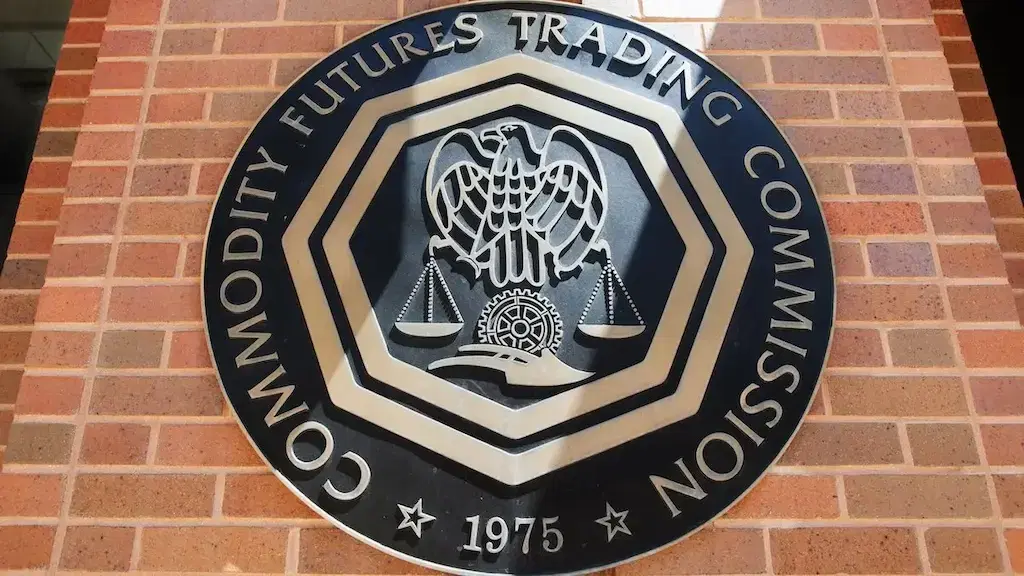
The U.S. Commodity Futures Trading Commission (CFTC) has filed a federal lawsuit against Wisconsin. The case escalates a growing national dispute over prediction markets. It also raises new questions for US online sportsbooks and digital betting regulation.
Wisconsin previously filed lawsuits targeting multiple prediction market platforms. These include Kalshi, Polymarket, Crypto.com, Robinhood, and Coinbase. The state argued that event-based contracts function as illegal gambling. It also claimed they fall under Wisconsin gambling laws.
However, the CFTC responded with a federal lawsuit. It seeks to block Wisconsin from enforcing state gambling rules on federally regulated markets.
The agency argues that prediction markets fall under its exclusive authority. It also insists that federal law overrides state enforcement in this area.
CFTC Legal Arguments Against Wisconsin
The CFTC builds its case on federal jurisdiction over derivatives markets. It argues that prediction markets qualify as event contracts. Therefore, they fall under the Commodity Exchange Act.
Additionally, the agency claims Wisconsin violates the Supremacy Clause. It says state action interferes with federally regulated trading systems. As a result, the CFTC wants courts to stop Wisconsin enforcement efforts.
Moreover, the CFTC argues that inconsistent state rules create market instability. This instability could harm both investors and licensed platforms. It also threatens uniform regulation across the United States.
Wisconsin, however, maintains a different position. It argues that prediction markets resemble sports betting. Therefore, they should fall under state gambling control. This conflict highlights the tension between financial regulation and gambling oversight.
Why the Lawsuit Matters Nationally
This lawsuit carries major implications across the United States. Several states have already challenged prediction market platforms. As a result, courts now face competing interpretations of federal and state authority. Apart from Wisconsin, the CFTC has also filed a lawsuit against New York's prediction market oversight.
Furthermore, the case could reshape regulatory boundaries for digital betting products. It may also influence how US online sportsbooks expand into new event-based markets. Regulators continue to debate whether these products are financial instruments or gambling tools.
In addition, the case could set a legal precedent for interstate consistency. A ruling in favor of the CFTC would strengthen federal control. However, a win for Wisconsin could expand state-level gambling authority.
Impact on the Prediction Market Industry
The prediction market industry now faces increased legal uncertainty. Platforms such as Kalshi and Polymarket continue to depend on regulatory clarity. Therefore, the outcome of this lawsuit could affect their long-term business models.
Moreover, companies like Crypto.com, Robinhood, and Coinbase may adjust product offerings. They could limit event contracts in states with strict enforcement. This would fragment access across the U.S. market.
Meanwhile, investors and users may face reduced availability of prediction markets. Regulatory uncertainty could also slow innovation in event-based trading products.
Additionally, compliance costs may increase for all operators.
Ultimately, the lawsuit highlights a critical turning point. It will determine whether prediction markets align more with financial trading or Wisconsin gambling laws. The decision could shape the future of this emerging industry.
Betting Industry News Betting Industry News Betting Industry News Betting Industry NewsMore Industry News
MD Sports Betting: Sept Handle $652M, Revenue Down 20%

New Brunswick Eyeing Private iGaming Market

Sen. Ted Cruz Bill Targets Federal Sports Prediction Markets

New Jersey Mandates Data-Driven Gambling Checks

Jonathan Rodriguez
Jonathan is an avid basketball fan, and is often looking forward to the next upcoming NBA season when not checking players' stats during games. He also likes to keep his ears on the ground for the latest rumblings in the online casino industry.
This site contains commercial content. We may be compensated for the links provided on this page. The content on this page is for informational purposes only. Betting News makes no representation or warranty as to the accuracy of the information given or the outcome of any game or event.