CFTC Sues New York Over Prediction Market Oversight

Written by: Jonathan Rodriguez
Published: Tue Apr 28, 2026, 11:00 am ET
Read Time: 3 minutes
industry
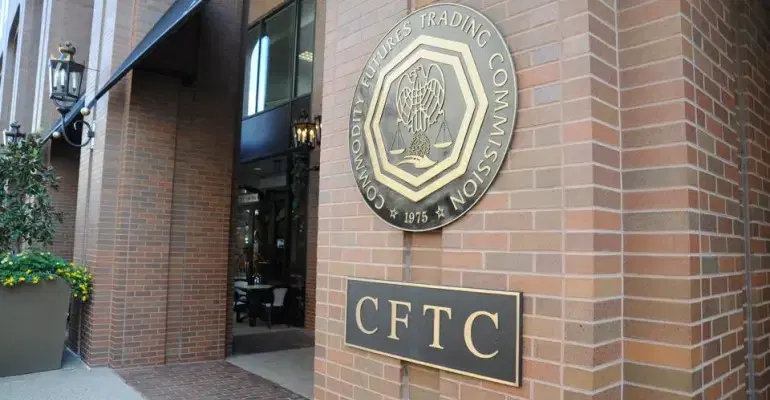
In a press release, the Commodity Futures Trading Commission (CFTC) has escalated its dispute with New York by filing a federal lawsuit aimed at blocking the state's oversight of prediction markets.
The case intensifies a widening "regulatory civil war" between federal authority and state gambling enforcement. It also follows New York's aggressive legal actions against major platforms, including Coinbase and Gemini.
The outcome could reshape oversight of US online sportsbooks-adjacent prediction products nationwide.
Why the CFTC is Suing New York
The CFTC filed the lawsuit as a direct response to enforcement action by New York Attorney General Letitia James. AG James recently sued Coinbase Financial Markets and Gemini Titan over their prediction market platforms. She alleged the companies operated illegal gambling services under New York gambling laws.
In addition, New York claimed the platforms lacked proper state licensing. The state also argued users aged 18 to 20 were improperly allowed to participate. These actions triggered the federal regulator's intervention in court.
The CFTC argues that New York's lawsuits interfere with federal oversight authority. Therefore, it seeks to block state enforcement against federally regulated event contracts.
CFTC's Core Arguments
The CFTC insists that prediction markets fall under federal commodity derivatives regulation. It claims Congress designed a unified system under federal law. Therefore, states cannot impose conflicting gambling classifications.
Moreover, the agency warns that state enforcement creates legal fragmentation. This patchwork threatens consistent rules for operators nationwide. It also raises compliance risks for platforms operating across multiple states.
The CFTC further argues that prediction markets are financial instruments, not gambling. Therefore, state gaming laws should not apply to them.
New York's Position
New York strongly rejects the federal interpretation. Officials argue prediction markets function like gambling, not financial trading. They claim outcomes depend on chance or external events beyond user control.
Additionally, the state says platforms bypass licensing requirements. New York also emphasizes consumer protection concerns and age restrictions. Officials argue these products expose users to financial harm.
Broader Industry Conflict
The case highlights a broader regulatory standoff across the United States. Federal and state authorities now operate under conflicting interpretations of prediction markets. This creates a fragmented "state patchwork" of enforcement rules. Many analysts describe it as a regulatory civil war.
The conflict also overlaps with evolving digital wagering markets. It indirectly affects US online sportsbooks and related event-based trading platforms.
A major concern involves insider trading-style risks. Recent high-profile cases have intensified scrutiny. For example, a US soldier was charged after allegedly using classified intelligence. He reportedly placed prediction market bets tied to Nicolás Maduro's capture and earned over $400,000.
Such incidents have strengthened arguments for tighter consumer protection. They also explain why states are pushing aggressive enforcement actions.
This uncertainty is driving a "wait and see" effect across the industry. Startups are delaying launches until courts clarify jurisdiction. Investors also hesitate due to unclear regulatory exposure.
Next Steps in the Legal Battle
The case will now proceed in federal court in Manhattan. Both sides will argue over jurisdiction and regulatory authority. Courts must decide whether federal law preempts state gambling enforcement.
Meanwhile, operators may adjust or pause services in disputed states. Some firms could seek clearer federal registration frameworks.
The ruling could set a national precedent for prediction markets. It may also redefine how New York gambling laws interact with federal oversight. Ultimately, the decision could shape the future of event-based trading in the US.
Betting Industry News Betting Industry News Betting Industry News Betting Industry NewsMore Industry News
MD Sports Betting: Sept Handle $652M, Revenue Down 20%

New Brunswick Eyeing Private iGaming Market

Sen. Ted Cruz Bill Targets Federal Sports Prediction Markets

New Jersey Mandates Data-Driven Gambling Checks

Jonathan Rodriguez
Jonathan is an avid basketball fan, and is often looking forward to the next upcoming NBA season when not checking players' stats during games. He also likes to keep his ears on the ground for the latest rumblings in the online casino industry.
This site contains commercial content. We may be compensated for the links provided on this page. The content on this page is for informational purposes only. Betting News makes no representation or warranty as to the accuracy of the information given or the outcome of any game or event.