Wisconsin Elections: Prediction Market Bets Risk Voting Rights

Written by: Jonathan Rodriguez
Published: Fri Jul 24, 2026, 7:00 am ET
Read Time: 6 minutes
industry
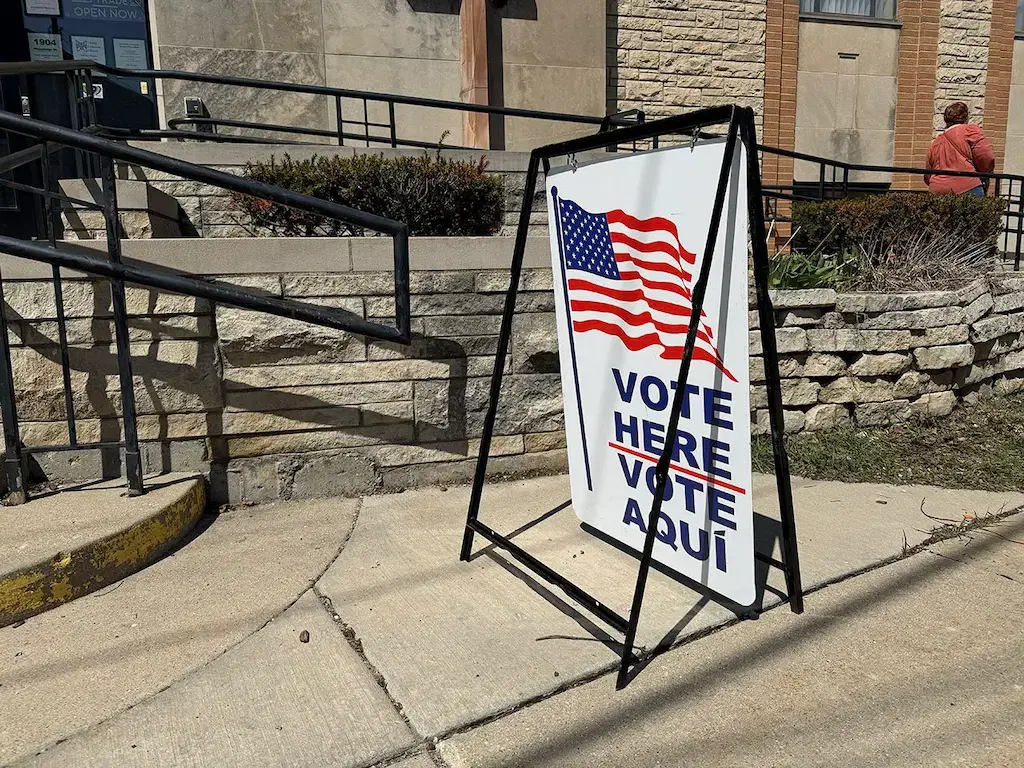
Wisconsin election officials have warned residents that trading on election-based prediction markets could affect their voting eligibility.
The Wisconsin Elections Commission (WEC) said residents may lose eligibility if they wager on an election outcome and vote in that same election.Officials also warned that knowingly voting while disqualified could expose residents to felony charges.
WEC's warning adds another layer to the growing conflict between prediction markets and state gambling regulators across the US.
It also highlights the expanding overlap between financial event contracts, political betting, and traditional US gambling laws.
Wisconsin Law Could Disqualify Residents Who Bet on Elections
The WEC based its warning on Wisconsin Statute § 6.03(2), which dates back to 1849. This statute says voters cannot participate in an election if they hold an interest in a bet tied to its outcome.
Importantly, the WEC believes that provision applies to election contracts traded through prediction markets. Officials said the law covers wagers made directly or indirectly.
The WEC also noted that Wisconsin law defines a bet as an agreement involving something of value. According to law, outcomes must depend on chance, even when the participant uses some degree of skill. That interpretation could include contracts traded on platforms such as Kalshi and Polymarket.
Residents who trade on an election outcome may therefore become ineligible to vote in that election.
Wisconsin Statute § 12.13(1)(a) creates an additional risk for anyone who votes while unqualified. The provision makes intentionally voting in an election without legal qualification a Class I felony.
The WEC said officials could challenge a person's eligibility before allowing them to cast a ballot. Successful challenges could also lead to a referral to a district attorney.
WEC Administrator Meagan Wolfe said the commission cannot directly monitor every prediction market transaction.
"We want voters to understand that they cannot legally make a bet on an election and cast a ballot in that same election,"
"We are not able to police someone placing a bet on these platforms, but it's important for voters to understand the consequences if they bet on an election outcome," Wolfe added.
Why the Warning Matters Ahead of Upcoming Elections
The warning arrives as prediction markets continue expanding their presence in US political and sports-related markets.
Consequently, Wisconsin election officials want voters to understand the possible consequences before upcoming elections.
The issue could become especially important if election contracts remain widely available to Wisconsin residents.
The WEC said many residents may not view prediction market trading as traditional betting. That distinction could create confusion when voters consider their eligibility under state law.
Commissioner Ann Jacobs said elections should reflect voters' political choices. She argued that voters should not base their participation on a potential financial return. The warning also comes during a broader fight over the legal status of prediction markets.
Wisconsin has challenged major operators, including Kalshi and Polymarket, over election-related event contracts. The state argues that certain contracts can constitute gambling under Wisconsin law. These companies instead argue that their products qualify as federally regulated financial derivatives.
The Commodity Futures Trading Commission oversees derivatives markets under the federal Commodity Exchange Act. That federal framework forms the core of Kalshi's and Polymarket's challenges against state restrictions.
The operators argue that federal derivatives regulation limits state authority over contracts listed on federally regulated markets.
Wisconsin, meanwhile, maintains that its gambling laws can apply to transactions involving state residents.
Therefore, the dispute could determine how state gambling laws interact with federal oversight of prediction markets.
Kalshi and Polymarket Push Back Against the Warning
Kalshi and Polymarket have rejected the WEC's interpretation of the law.
A Kalshi spokesperson called the warning voter suppression and criticized its potential impact on participation.
"Implying they can't vote because they use Kalshi is not only dishonest, it is voter suppression! If even a handful of our users in Wisconsin see this and get scared away from voting, that could EASILY swing an election," the spokesperson said.
The company said even a small number of voters could avoid elections because of the statement.
Kalshi representatives also argued that the law represents an outdated rule that would be difficult to enforce. The company maintains that its election contracts operate within a federally regulated derivatives framework.
Additionally, Polymarket has also rejected the commission's position. They noted that it would address the claims through the appropriate legal process.
Both operators argue that federal law governs their event contracts through the CFTC's derivatives oversight.
Wisconsin officials, meanwhile, continue to treat election-based prediction market trading as a potential bet under state law.
Wisconsin Warning Highlights Broader Prediction Market Conflict
The Wisconsin dispute reflects a wider national conflict over prediction market regulation. Several states have challenged prediction market operators over sports and political event contracts.
Those states argue that certain products function like traditional wagers under state gambling laws. Operators instead classify them as financial contracts governed by federal derivatives regulation.
The resulting legal battles have created a jurisdictional conflict between state gambling authorities and the CFTC.
Moreover, the central question involves whether states can restrict contracts that federal regulators allow on federally regulated markets.
Wisconsin's Steps on Prediction Markets
Wisconsin has also taken additional steps to address prediction market risks.
Governor Tony Evers signed an executive order restricting state employees from using nonpublic information for prediction market profits. The order also covers helping others profit from confidential information obtained through public service.
Meanwhile, Wisconsin gambling continues to operate through a distinct tribal gaming framework. Retail sports betting has operated at participating tribal casinos since 2021. The state has allowed that activity through amended tribal gaming compacts.
However, Wisconsin has not legalized statewide commercial online sports betting through mobile apps. That distinction separates the state's tribal sportsbook market from online prediction markets available through digital platforms.
Traditional tribal sportsbooks operate within state-approved gaming agreements.
Prediction markets, meanwhile, argue that federal law allows them to offer event-based contracts under CFTC oversight.
The contrast makes Wisconsin an important battleground in the future of US gambling. It also highlights the different legal frameworks governing tribal sports betting, US online sportsbooks, and prediction markets.
What Happens Next?
As a result, Wisconsin's warning could influence how other states approach election contracts.
It could also add new pressure to the ongoing debate over whether prediction markets belong within US gambling regulation.
For now, Wisconsin residents face a clear warning from election officials. Trading on an election-based prediction market could affect their eligibility to vote in that election.
If they vote while legally disqualified, they could also face felony-level consequences.
The dispute now moves beyond betting regulation and into a broader debate over voting rights, federal authority, and the future of prediction markets in the United States.
Betting Industry News Betting Industry News Betting Industry News Betting Industry NewsMore Industry News
MD Sports Betting: Sept Handle $652M, Revenue Down 20%

New Brunswick Eyeing Private iGaming Market
Sen. Ted Cruz Bill Targets Federal Sports Prediction Markets

New Jersey Mandates Data-Driven Gambling Checks

Jonathan Rodriguez
Jonathan is an avid basketball fan, and is often looking forward to the next upcoming NBA season when not checking players' stats during games. He also likes to keep his ears on the ground for the latest rumblings in the online casino industry.
This site contains commercial content. We may be compensated for the links provided on this page. The content on this page is for informational purposes only. Betting News makes no representation or warranty as to the accuracy of the information given or the outcome of any game or event.