WILL Sues to Block Wisconsin Online Sports Betting

Written by: Jonathan Rodriguez
Published: Fri Aug 07, 2026, 10:00 am ET
Read Time: 4 minutes
industry
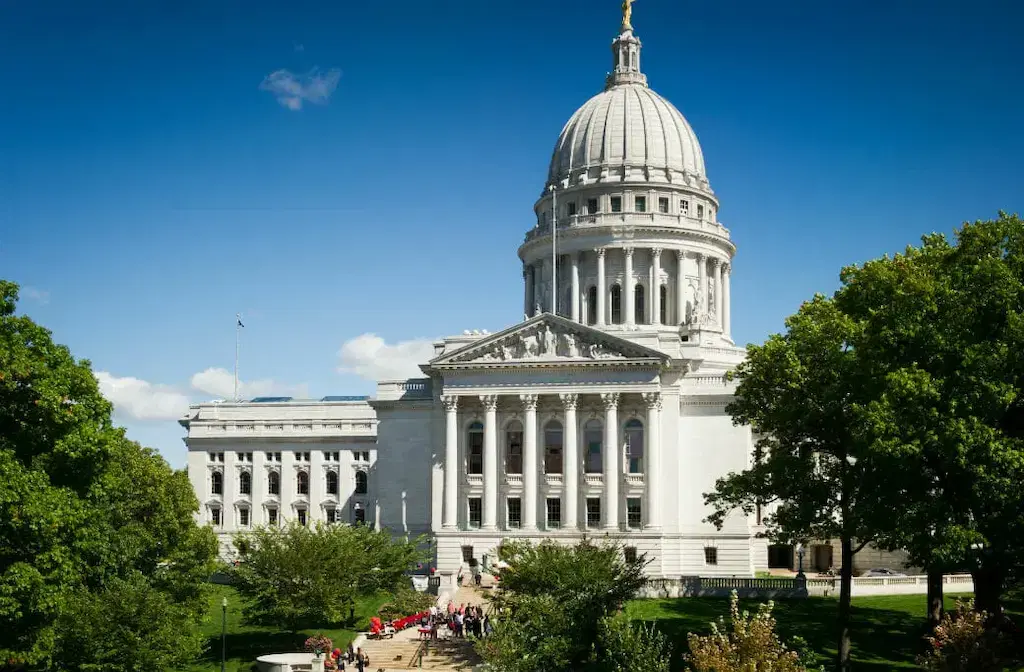
The Wisconsin Institute for Law & Liberty (WILL) filed a lawsuit in Waukesha County seeking to overturn Act 247.
The conservative legal group filed the complaint on behalf of the Brown County Taxpayers Association and Citizens Defending Liberty. Their lawsuit names Gov. Tony Evers and several state officials as defendants while asking the court to block implementation before statewide wagering begins.
Act 247 allows Wisconsin's federally recognized tribes to offer statewide mobile sports betting through amended tribal gaming compacts. Under the law, wagers placed anywhere in the state are treated as occurring on tribal land if they are processed through servers located on tribal property.
The decision marked a major shift for Wisconsin gambling, which currently limits legal sports betting to participating tribal casinos.
If the lawsuit succeeds, the state's expansion plans could stall before any of the US online sportsbooks enter the market through tribal partnerships.
WILL Argues Act 247 Violates Wisconsin and Federal Law
WILL's lawsuit centers on three primary constitutional arguments.
First, the organization contends that Act 247 violates Wisconsin's 1993 constitutional amendment limiting gambling expansion. According to the lawsuit, voters approved the amendment to prevent the Legislature from authorizing new forms of gambling beyond several narrow exceptions.
Those exceptions include bingo, raffles, pari-mutuel on-track betting, and the Wisconsin Lottery. WILL argues statewide online sports betting falls outside those approved categories and therefore requires another constitutional amendment before lawmakers can authorize it.
In a released statement, WILL Associate Counsel Kirsten Atanasoff said the lawsuit seeks to enforce the constitutional limits approved by Wisconsin voters.
"Thirty-three years ago, Wisconsinites expressed through a constitutional amendment that the legislature may not expand gambling in any form. Neither lawmakers nor Governor Evers are allowed to flout that constitutional limit. This lawsuit ensures that elected officials remain accountable to the people of Wisconsin by upholding the constitutional limits the people, themselves, called for," Atanasoff said.
Second, the lawsuit also challenges the law's "hub-and-spoke" framework. Similar to Florida's mobile sports betting model, Act 247 considers every online wager to occur on tribal land if a betting server processes the transaction from tribal property.
WILL argues that legal fiction does not change where bettors actually place their wagers. Since customers remain physically located throughout Wisconsin, the organization claims the law effectively expands gambling statewide without voter approval.
Third, WILL's complaint also raises an Equal Protection challenge under the Fourteenth Amendment. WILL argues Act 247 grants exclusive statewide mobile sports betting rights based on tribal membership.
According to the lawsuit, this arrangement creates an unconstitutional special privilege by limiting market access to tribal operators while excluding other businesses from competing.
Wisconsin Officials and Tribal Leaders Defend the Law
Gov. Tony Evers' administration quickly rejected the lawsuit.
Through a spokesperson, the governor's office said it intends to vigorously defend Act 247. The administration also accused WILL of attempting to "undermine the sovereignty of the Tribal Nations in Wisconsin."
Meanwhile, the Forest County Potawatomi Community expressed confidence that the courts will uphold the legislation.
Tribal representatives pointed to a 2006 Wisconsin Supreme Court ruling that upheld gaming compact amendments against similar constitutional challenges.
They cited precedent holding that negotiated compact amendments remain constitutionally protected and legally valid.
Supporters maintain Act 247 preserves Wisconsin's tribal gaming framework rather than launching a commercial gambling industry.
Commercial Operators Face Limited Market Access
The lawsuit also highlights concerns surrounding the law's commercial structure.
Under Act 247, national sportsbook operators, including DraftKings and FanDuel, cannot independently enter the Wisconsin market. Instead, they must negotiate partnerships with tribes through amended gaming compacts.
Industry discussions surrounding the legislation suggested commercial operators could surrender up to 60% of sportsbook revenue under proposed partnership arrangements. Alternatively, tribes could bypass outside operators by launching their own white-label sportsbook platforms.
Some commercial operators previously argued those financial terms make Wisconsin far less attractive than competitive markets with open licensing systems. Critics warned the framework could discourage investment while limiting consumer choice.
Proponents say the tribal model preserves existing gaming agreements and expands online wagering responsibly.
Public Consensus Split
The legal challenge also arrives as public opinion remains divided over expanding sports betting. A recent Marquette University Law School poll found that 64% of Wisconsinites oppose legalizing online sports betting, while 35% support the proposal.
The survey adds context to WILL's argument that lawmakers should respect the constitutional limits previously approved by Wisconsin voters.
The court's decision will either open Wisconsin to tribal-partnered sportsbooks or freeze online betting expansion.
As litigation moves forward, the case could become another closely watched dispute over tribal gaming rights and the future of Wisconsin gambling.
Betting Industry News Betting Industry News Betting Industry News Betting Industry NewsMore Industry News

Ohio iGaming Bill Could Bring Online Casinos Closer
NFL Bans Prediction Market Ads During Games
Missouri AG Targets Prediction Markets Over Sports Bets

Maryland Online Casino Push Misses 2026 Ballot

Jonathan Rodriguez
Jonathan is an avid basketball fan, and is often looking forward to the next upcoming NBA season when not checking players' stats during games. He also likes to keep his ears on the ground for the latest rumblings in the online casino industry.
This site contains commercial content. We may be compensated for the links provided on this page. The content on this page is for informational purposes only. Betting News makes no representation or warranty as to the accuracy of the information given or the outcome of any game or event.