Missouri AG Targets Prediction Markets Over Sports Bets

Written by: Jonathan Rodriguez
Published: Mon Sep 21, 2026, 8:00 am ET
Read Time: 4 minutes
industry
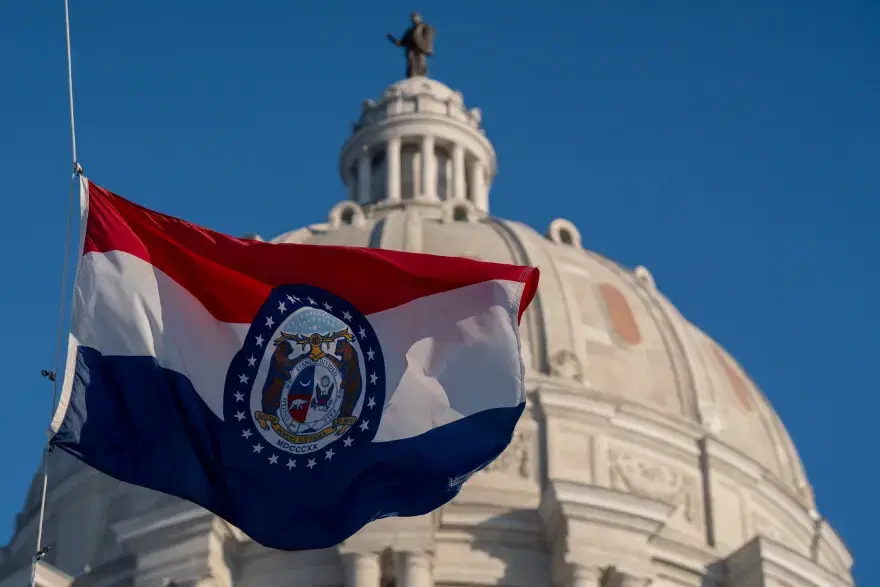
Missouri Attorney General (AG) Catherine Hanaway has ordered six prediction-market operators to stop offering sports event contracts in the state.
Her office issued cease-and-desist letters to Kalshi, Polymarket, Crypto.com, Novig, Underdog and Robinhood. Hanaway argues that these products constitute unlicensed sports wagering under Missouri law.
The action adds another state to the growing regulatory dispute surrounding prediction markets and sports contracts. It also creates another challenge for operators that argue federal commodities law governs their products.
Missouri AG Targets Six Prediction Markets
AG Hanaway's office wants the six companies to stop offering sports event contracts to Missouri residents. The operators must obtain licenses from the Missouri Gaming Commission to continue offering sports wagering products.
The attorney general argues that prediction markets cannot avoid Missouri gambling rules by describing sports wagers as financial contracts.
"Missourians voted for a safe, well-regulated sports wagering market that supports public education and addresses problem gambling. Companies cannot repackage sports bets as 'event contracts' to avoid Missouri law. We will enforce the rules voters approved and protect consumers," said General Hanaway.
She also highlighted the requirements that apply to licensed sports wagering operators.
"Any company that wants to offer sports wagering in Missouri must be licensed by the Missouri Gaming Commission, pay the required taxes and fees, and ensure no one under 21 can place a bet."
Missouri Cites Taxation and Consumer Protections
The cease-and-desist letters also raise concerns about taxation and age verification.
Missouri's regulated sports-betting market imposes a 10% tax on sports wagering gross receipts. That revenue supports public education under the framework approved by voters.
The state argues that prediction markets offering sports contracts can avoid those taxes while competing with licensed operators. Consequently, Missouri views the products as operating outside the regulatory framework established for sports wagering.
Hanaway's office also points to consumer protections. Licensed sportsbooks must prevent people under 21 from placing wagers, while the state questions whether prediction markets provide equivalent age verification.
These concerns form a central part of Missouri's argument that sports event contracts should face the same rules as conventional wagers.
Missouri Gambling Rules Face a Federal-State Dispute
The enforcement action also lands amid an active federal circuit split over prediction-market sports contracts.
In April, the Third Circuit Court of Appeals affirmed a preliminary injunction protecting Kalshi from New Jersey's attempt to enforce state gambling laws against its sports contracts. The court found that Kalshi had shown a reasonable likelihood that the Commodity Exchange Act preempted the state's rules.
However, the Ninth Circuit Court of Appeals reached a different conclusion in August. It allowed Nevada to pursue its gaming laws against Kalshi's sports event contracts. The court rejected Kalshi's broad argument that federal law prevented Nevada from regulating those products.
Therefore, Missouri's action enters an unsettled legal landscape. The competing rulings could eventually require the U.S. Supreme Court to resolve the jurisdictional question.
Prediction Markets Could Challenge Missouri
Hanaway has indicated that litigation could follow if the companies refuse to comply.
The cease-and-desist letters warn that Missouri will take enforcement action against operators that continue offering sports event contracts without state authorization.
Meanwhile, prediction-market operators continue to argue that their event contracts fall under federal commodities regulation. Kalshi has repeatedly maintained that the CFTC holds exclusive authority over its federally regulated exchange.
Missouri's position directly challenges that interpretation. The state instead argues that sports contracts function as wagers and therefore fall within its gambling laws.
What the Order Means for US Online Sportsbooks
The Missouri action could also affect the competitive landscape for US online sportsbooks.
Licensed sportsbooks must follow Missouri's requirements on taxation, licensing, age restrictions and responsible gambling. Prediction markets offering sports contracts could otherwise compete without facing identical obligations.
For now, Hanaway is giving the six operators a clear choice: obtain authorization under Missouri gambling rules or stop offering sports event contracts to state residents.
The companies' response could determine whether Missouri becomes another major battleground in the growing legal dispute over prediction markets and sports wagering.
Betting Industry News Betting Industry News Betting Industry News Betting Industry NewsMore Industry News

Ohio iGaming Bill Could Bring Online Casinos Closer
NFL Bans Prediction Market Ads During Games
Maryland Online Casino Push Misses 2026 Ballot
Protect College Sports Act Advances in Senate

Jonathan Rodriguez
Jonathan is an avid basketball fan, and is often looking forward to the next upcoming NBA season when not checking players' stats during games. He also likes to keep his ears on the ground for the latest rumblings in the online casino industry.
This site contains commercial content. We may be compensated for the links provided on this page. The content on this page is for informational purposes only. Betting News makes no representation or warranty as to the accuracy of the information given or the outcome of any game or event.