Utah AG Brown Sues Kalshi Over Alleged Illegal Gambling

Written by: Jonathan Rodriguez
Published: Thu Oct 22, 2026, 8:00 am ET
Read Time: 4 minutes
industry
Utah has sued prediction-market operator Kalshi, accusing the company of offering illegal gambling to residents and seeking millions of dollars in alleged fees and profits.
Filed on October 20, 2026, the lawsuit escalates the state's dispute over whether event contracts fall under federal commodities regulation or Utah gambling laws.
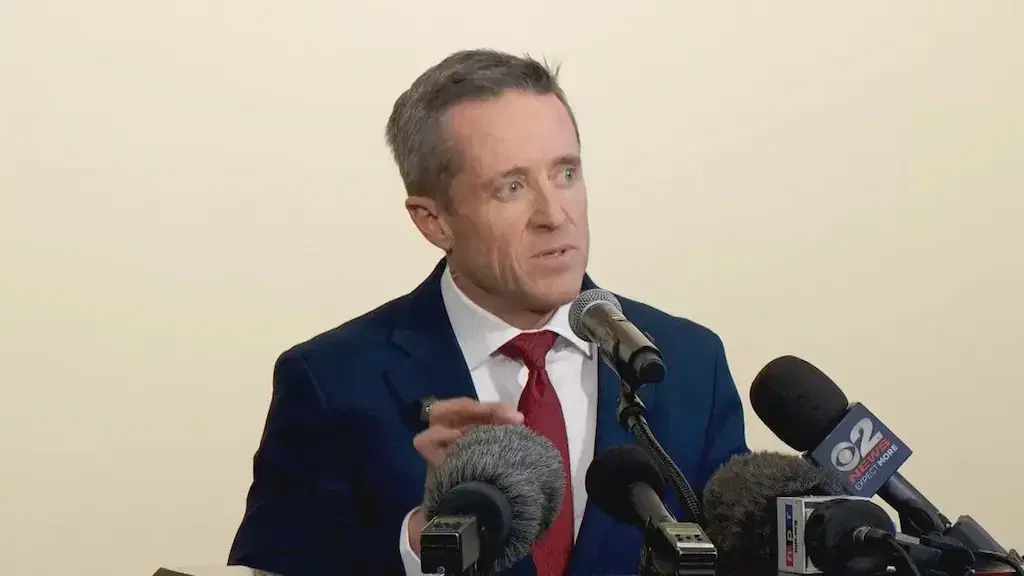
Attorney General Derek Brown argues that Kalshi's platform functions like a gambling operation, despite presenting itself as a financial exchange. He sharply criticized the company's business model, saying its services do not benefit consumers.
"They're not your friends. They're not helping you invest. They're not providing you with insight or opportunity," Brown said. "Frankly, they are engineered to do one thing and one thing alone, and that is empty your wallet."
Utah Seeks Millions in Alleged Fees and Profits
Utah's complaint estimates that Kalshi generated between $30.6 million and $61.2 million in fees associated with Utah users. It also identifies an estimated $5.5 million in gambling-related profits tied to residents' losses.
However, these figures require context. The fee estimates and account count originated in court filings from the earlier federal proceedings, rather than representing a final accounting in the new lawsuit. Independent financial analyses suggest Kalshi's actual fee structure could produce lower revenue from Utah users.
With average fees estimated at approximately $0.0075 per contract, one analysis puts potential revenue closer to $22.7 million. The discrepancy highlights the difference between Utah's estimated maximum exposure and revenue calculations based on actual transaction fees. Neither figure represents a court-established liability.
The earlier filings also cited approximately 55,800 Utah-registered accounts as of February 2026.
According to reports, Utah's complaint further points to the scale of Kalshi's market offerings. The platform reportedly offered between 100,000 and 300,000 open markets daily during three months over the summer.
Those markets covered sports, elections, political developments, entertainment, and whether public figures would mention particular subjects. Utah argues that these contracts resemble conventional wagers, including proposition bets and point spreads available through US online sportsbooks.
The state also alleges that Kalshi's marketing presented its services as available nationwide despite Utah's prohibition on gambling.
Utah Targets Kalshi's Market-Maker Model
Utah is seeking a court order preventing Kalshi from offering the disputed contracts to state residents. The complaint also seeks restitution, damages, and recovery of alleged proceeds.
Additionally, the state wants restrictions designed to prevent Utah residents from accessing the platform, potentially including court-approved geolocation controls. The lawsuit also advances a public nuisance claim.
Notably, Utah has named affiliated Susquehanna entities among the defendants. Susquehanna is associated with market-making activities that provide liquidity to trading markets. By targeting these entities, the state is extending its challenge beyond Kalshi's consumer-facing platform to the market-maker model supporting its order book.
Market makers help maintain liquidity by placing orders to buy and sell contracts. Utah's inclusion of affiliated entities could therefore broaden the dispute over how Kalshi operates, rather than limiting the case to its contracts with customers.
The requested remedies have not automatically taken effect. The court must consider the state's claims before granting the relief it seeks.
Kalshi Says Federal Law Protects Its Exchange
Kalshi disputes Utah's characterization of its business and maintains that it operates under federal oversight. In response to the lawsuit, the company described itself as "a federally regulated financial exchange, like the stock market."
"Our customers trade with each other and set the prices," the company added. "As a national derivatives market overseen by the CFTC [Commodity Futures Trading Commission], Kalshi answers to federal law, and no single state should have a veto over it."
The company also argued that the new case does not alter its separate federal proceedings. "This latest state court action does not affect our ongoing federal litigation," Kalshi said.
The dispute follows an August 2026 federal court ruling that favored Utah on the question of federal preemption.
The court rejected Kalshi's argument that federal commodities law prevented Utah from applying its gambling laws in that case. Kalshi appealed the decision, leaving the broader jurisdictional dispute unresolved.
Lawsuit Adds to Prediction-Market Regulatory Pressure
The case highlights a growing conflict between prediction-market operators and state regulators. Kalshi argues that its event contracts fall under federal commodities oversight, while Utah says their practical function makes them illegal wagers.
The outcome could affect how prediction markets operate in states with strict gambling prohibitions. It may also shape future disputes over geolocation, product availability, and whether states can restrict federally regulated exchanges or pursue the market participants supporting them.
For now, Utah's lawsuit seeks to halt Kalshi's disputed operations and recover alleged proceeds. The proceedings, alongside Kalshi's federal appeal, could help clarify the boundary between commodities regulation and state gambling enforcement across the United States.
Betting Industry News Betting Industry News Betting Industry News Betting Industry NewsMore Industry News

New Jersey Mandates Data-Driven Gambling Checks
Pennsylvania Sports Betting Revenue Jumps 50.45% in September

Polymarket Sues Ohio Over Sports Betting Rules

Maine Online Casinos Target Q1 2027 Launch

Jonathan Rodriguez
Jonathan is an avid basketball fan, and is often looking forward to the next upcoming NBA season when not checking players' stats during games. He also likes to keep his ears on the ground for the latest rumblings in the online casino industry.
This site contains commercial content. We may be compensated for the links provided on this page. The content on this page is for informational purposes only. Betting News makes no representation or warranty as to the accuracy of the information given or the outcome of any game or event.