Utah Court Upholds State Gambling Laws Against Kalshi

Written by: Jonathan Rodriguez
Published: Thu Aug 06, 2026, 7:00 am ET
Read Time: 4 minutes
industry
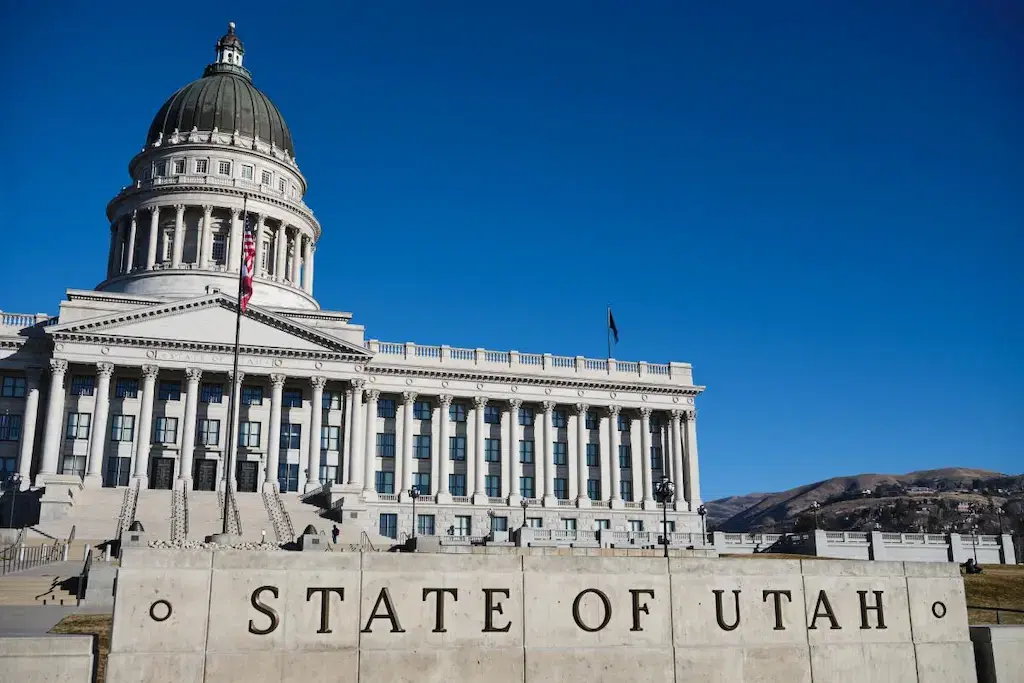
Utah secured a significant legal victory in its fight against prediction market operator Kalshi. A federal judge ruled that the state may enforce its anti-gambling laws against the company despite its federal regulation by the Commodity Futures Trading Commission (CFTC).
The decision marks another major development in the growing conflict between state regulators and federally regulated prediction markets. It also adds momentum to states arguing that sports event contracts resemble traditional wagering rather than financial products.
Kalshi has already confirmed it will appeal the ruling. Meanwhile, the case could influence future disputes involving prediction markets, US online sportsbooks, and state gambling laws across the country.
Utah Court Finds Commodity Exchange Act Does Not Preempt State Law
U.S. District Judge Robert Shelby ruled that Utah may apply its anti-gambling laws to Kalshi's sports event contracts. The court concluded that the Commodity Exchange Act (CEA) does not prevent the state from enforcing its own gambling restrictions.
Shelby rejected Kalshi's argument that federal oversight by the CFTC gives the exchange immunity from state gambling enforcement. Instead, he determined that Congress never clearly intended to remove states' longstanding authority over gambling regulation.
The ruling grants summary judgment in Utah's favor and dismisses Kalshi's challenge to the state's enforcement efforts. As a result, the Utah Court and state officials may move forward with actions against the company under existing state law.
Judge Rejects Kalshi's Preliminary Injunction Request
Judge Shelby also denied Kalshi's request for a preliminary injunction, finding that the company failed to demonstrate federal law overrides Utah's gambling statutes.
In his opinion, Shelby emphasized that the Commodity Exchange Act leaves room for states to regulate gambling activities within their borders.
"Given the [Commodity Exchange Act's] framework and the history of State regulation of gambling, the court cannot conclude the CEA is so pervasive that there is no room for the State of Utah to supplement it," Shelby wrote.
He also directly rejected Kalshi's federal preemption argument.
"… the federal law relied upon by Kalshi does not preempt Utah's ability to enforce its anti-gambling laws."
The ruling represents one of the clearest judicial statements supporting state authority in the nationwide legal battle over prediction markets.
Kalshi Maintains Federal Law Governs Its Markets
Kalshi continues to argue that it operates as a federally regulated derivatives exchange under the CFTC. According to the company, its event contracts qualify as financial instruments instead of gambling products.
The operator maintains that only the CFTC has authority to regulate or restrict its contracts. Therefore, it believes individual states cannot prohibit markets that comply with federal commodities law.
Following the decision, Kalshi announced it will appeal to the U.S. Court of Appeals for the Tenth Circuit. The company maintains confidence that higher courts will recognize federal oversight as controlling.
The appeal ensures that the legal dispute remains far from settled. Nevertheless, the Utah ruling strengthens the position of states challenging prediction market operators.
Utah's Strict Gambling Laws Made This Case Unique
Unlike many states, Utah prohibits virtually all forms of gambling through its constitution. Residents cannot legally access commercial casinos, retail sportsbooks, or regulated online sports betting platforms.
This strict legal framework made the lawsuit an important test of whether federal commodities law can override a state's comprehensive gambling prohibition.
Utah officials argued that Kalshi's sports event contracts function similarly to sports wagers prohibited under state law. Judge Shelby agreed that Utah retains authority to enforce those laws despite Kalshi's federal status.
The decision also reinforces Utah's longstanding position that gambling regulation remains primarily a state responsibility. As debates surrounding Utah gambling continue, the ruling could shape how other jurisdictions approach prediction markets.
Broader Implications for Prediction Markets
The Utah decision extends beyond a single dispute between the state and Kalshi. It adds another important chapter to the expanding legal conflict over prediction markets throughout the United States.
Several states have reached different outcomes while considering similar questions. Courts in Ohio and Washington have allowed state enforcement efforts to proceed. Meanwhile, Wisconsin previously granted Kalshi temporary relief, highlighting the growing divide among federal courts.
Legal observers believe the conflicting decisions increase the likelihood that federal appellate courts, or eventually the U.S. Supreme Court, will address whether the Commodity Exchange Act preempts state gambling laws.
Until then, states will likely continue pursuing their own enforcement strategies while prediction market operators defend their federally regulated business model.
The outcome could reshape the relationship between prediction markets, sports wagering, and the broader gaming industry for years to come.
Betting Industry News Betting Industry News Betting Industry News Betting Industry NewsMore Industry News
South Carolina Governor Race Could Open Door to Sports Betting

Nevada Targets 2027 Sportsbook Tech Standards Overhaul
NFL Backs SCOTUS Review of Prediction Markets

Coinbase Halts Sports Contracts in Michigan

Jonathan Rodriguez
Jonathan is an avid basketball fan, and is often looking forward to the next upcoming NBA season when not checking players' stats during games. He also likes to keep his ears on the ground for the latest rumblings in the online casino industry.
This site contains commercial content. We may be compensated for the links provided on this page. The content on this page is for informational purposes only. Betting News makes no representation or warranty as to the accuracy of the information given or the outcome of any game or event.