US Senate Scrutinizes Prediction Markets in Gambling Debate

Written by: Jonathan Rodriguez
Published: Fri May 22, 2026, 10:00 am ET
Read Time: 4 minutes
industry
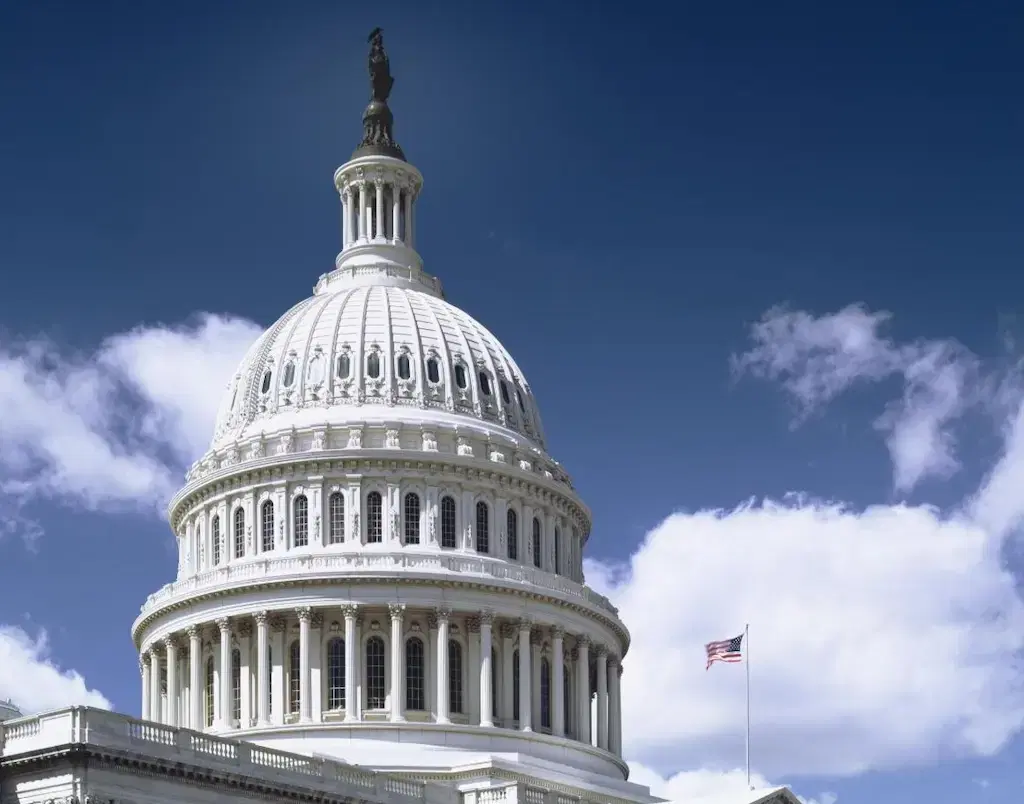
The US Senate has increased bipartisan scrutiny of prediction markets offering sports-related contracts. During a Senate Commerce Subcommittee hearing, senators examined how prediction markets intersect with US gambling regulation and whether they undermine state oversight of betting markets.
The debate comes as US online sportsbooks continue operating under strict state-by-state frameworks, while prediction markets expand under federal financial classifications.
Lawmakers focused heavily on whether these platforms should be treated as derivatives markets or as disguised sportsbooks. Moreover, concerns about consumer protection, sports integrity, and regulatory gaps dominated the discussion.
The hearing underscored growing tension between federal financial oversight and state gambling authority, especially as sports-linked event contracts gain traction.
Why the US Senate is Scrutinizing Prediction Markets in Sports Betting
During the Senate Commerce Subcommittee hearing, a bipartisan group of senators raised concerns that prediction markets increasingly resemble traditional sports betting platforms.
Lawmakers largely converged on several key issues, including the claim that these platforms function like sportsbooks in disguise, may bypass state gambling laws, and operate with weaker consumer protections than regulated sportsbooks.
Senators also emphasized potential risks to sports integrity, including manipulation concerns, and warned about younger users gaining exposure to gambling-like products.
Subcommittee Chair Senator Marsha Blackburn highlighted these concerns, stating that while prediction markets may reflect financial innovation, they still raise regulatory questions.
"While prediction markets represent financial innovation across many sectors, there are real concerns that they function much like traditional sports betting without enforcement of state regulators and attorneys general," Blackburn said.
American Gaming Association (AGA) CEO Bill Miller also criticized the current framework.
"Prediction markets don't comply with most of these important regulatory protections, and they allow 18-year-old teenagers to bet on sports. Our process protects the integrity of sports. Why prediction markets don't want to play by these rules, that's for them to explain," Miller said.
Backdoor Sports Betting vs. Financial Hedges
The hearing exposed a sharp divide between critics and defenders of prediction markets. The Traditional Gaming View, led by Miller, argued that platforms such as Kalshi effectively repackaged sports betting as "financial contracts" to sidestep gambling regulations.
Miller also questioned the role of the Commodity Futures Trading Commission (CFTC). He argued that it is ill-equipped to oversee a nationwide betting ecosystem. Miller also criticized the agency's mandate. He noted that it exists to regulate markets central to the economy, not to oversee outcomes tied to Monday Night Football.
Conversely, former Congressman Patrick McHenry defended prediction markets as legitimate financial instruments on behalf of the Coalition for Prediction Markets. He compared sports event contracts to hedging tools like crop insurance, arguing they help manage risk rather than facilitate gambling.
McHenry also emphasized that prediction market exchanges operate on a fundamentally different model from sportsbooks. Instead of profiting from losses, they collect small transaction fees regardless of outcomes.
Senators Continue Pressure on McHenry Over Market Realities
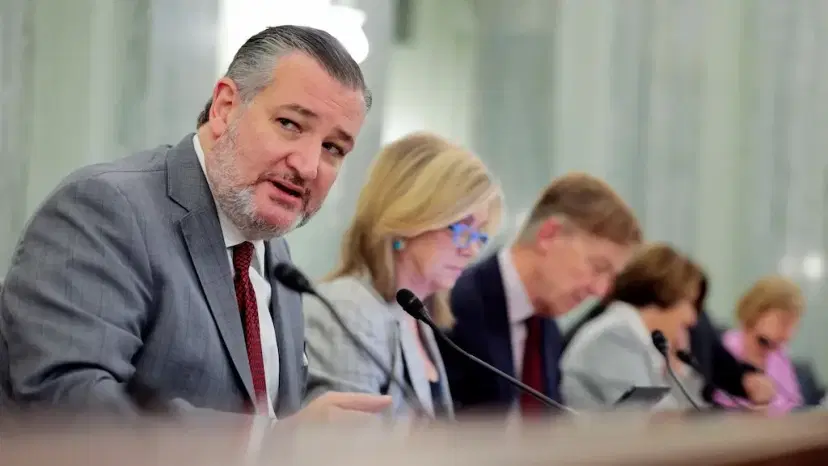
Both Democratic and Republican US Senators challenged McHenry's framing during the hearing. Senator Ted Cruz (R-TX) questioned whether there is any meaningful economic distinction between trading contracts tied to game outcomes and traditional sports betting.
He pressed McHenry on the "economic consequence" of everyday sports actions. Cruz gave an example whether a pitcher throws a ball or a strike. He suggested the products function similarly to wagers in practice.
Meanwhile, Senator John Hickenlooper (D-CO) focused on market behavior and scale. He cited data showing that sports contracts account for roughly 40% of trading activity on Polymarket and up to 90% on Kalshi.
He also criticized marketing strategies used by some platforms. Hickenlooper pointed to social media promotions featuring users claiming they used prediction markets to pay rent. He argued risked appealing to financially vulnerable individuals in the broader US gambling ecosystem.
Potential Direction of Regulation and Market Impact
The hearing signals that Congress may move toward a more defined regulatory framework for prediction markets. Lawmakers are increasingly evaluating whether sports-linked contracts fall under financial regulation or otherwise. Moreover, lawmakers are determining if such contracts be treated as gambling products subject to state oversight.
As a result, tighter restrictions remain a realistic possibility if concerns around consumer harm and sports integrity continue to grow.
At the same time, the broader US gambling market continues to evolve rapidly. Regulated US online sportsbooks operate under strict compliance standards and state licensing regimes. Meanwhile, prediction markets expand under federal financial oversight.
However, if Congress reclassifies or restricts sports event contracts, the gap between betting markets and financial derivatives could narrow significantly. This could reshape both sectors in the process. This leaves the industry watching two distinct pathways moving forward:
- The State-by-State Framework: Regulated US online sportsbooks will continue to operate under strict compliance standards and localized state licensing regimes.
- The Federal Framework: Prediction markets will face ongoing pressure to prove their contracts serve a genuine economic purpose under federal financial oversight, rather than acting as an end-run around gambling laws.
Betting Industry News Betting Industry News Betting Industry News Betting Industry NewsMore Industry News
MD Sports Betting: Sept Handle $652M, Revenue Down 20%

New Brunswick Eyeing Private iGaming Market
Sen. Ted Cruz Bill Targets Federal Sports Prediction Markets

New Jersey Mandates Data-Driven Gambling Checks

Jonathan Rodriguez
Jonathan is an avid basketball fan, and is often looking forward to the next upcoming NBA season when not checking players' stats during games. He also likes to keep his ears on the ground for the latest rumblings in the online casino industry.
This site contains commercial content. We may be compensated for the links provided on this page. The content on this page is for informational purposes only. Betting News makes no representation or warranty as to the accuracy of the information given or the outcome of any game or event.