US Lawmakers Launch HR 8970 Gambling Addiction Study Bill

Written by: Jonathan Rodriguez
Published: Wed Jun 10, 2026, 10:00 am ET
Read Time: 3 minutes
industry
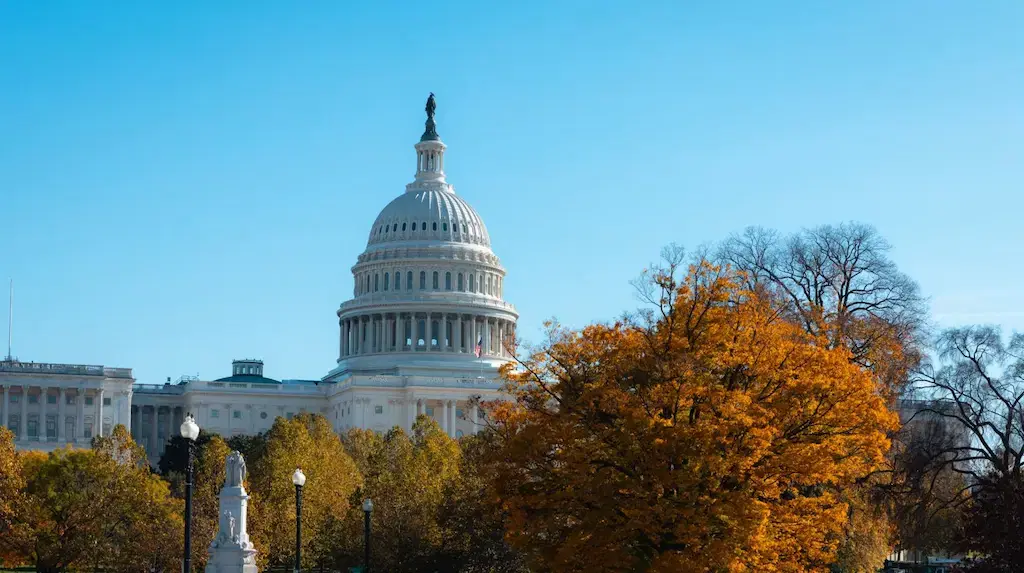
US lawmakers have introduced a bipartisan proposal aimed at strengthening federal understanding of gambling addiction in the digital age. The legislation, known as the Gambling Disorder Health Study Act (H.R. 8970), seeks to examine the public health effects of modern betting markets.
In particular, it focuses on the rapid rise of internet-based gambling, including mobile wagering and online casino platforms, within the broader domestic gaming market. The bill responds to concerns about how expanded access to digital betting has reshaped risk behaviors across the United States.
Key Provisions of HR 8970
The Gambling Disorder Health Study Act establishes a multi-year federal research initiative on gambling addiction and its societal impacts. The bill was introduced in the House by Dan Goldman and Blake Moore, reflecting bipartisan concern over rising gambling-related harm.
Under the proposal, the Department of Health and Human Services would lead a comprehensive national study. The research would analyze how gambling disorder develops, progresses, and affects individuals, families, and communities. Additionally, it would evaluate prevention strategies, treatment outcomes, and early intervention programs.
Importantly, the bill directs attention to modern gambling channels. These include mobile betting apps, online casino platforms, and sports wagering services. As a result, the study would closely examine how internet-based sports betting platforms and broader digital gambling systems influence addictive behavior patterns.
Funding Mechanism
The legislation proposes a dedicated funding stream tied to existing gambling revenue. Specifically, it would allocate a portion of federal excise tax revenue generated from legalized sports wagering. This approach ensures that the industry contributing to expanded gambling activity also supports research into its potential harms.
Moreover, the funding would sustain the study over multiple fiscal years beginning in 2027. Therefore, lawmakers aim to ensure continuity in data collection and long-term behavioral analysis. This structure also reinforces the idea that regulatory oversight should evolve alongside market growth.
Why Lawmakers Say the Bill is Necessary
Supporters argue that federal research has not kept pace with the rapid transformation of the USA gambling landscape. Since the expansion of legalized sports betting after 2018, participation in digital wagering has surged across many states.
Critically, lawmakers note that the federal government has not conducted a comprehensive national study on gambling addiction since 1999. As a result, they argue that current policy tools rely on outdated data that do not reflect today's mobile-first gambling environment.
Furthermore, policymakers point to the increased accessibility of digital betting platforms. Consumers can now place wagers instantly through smartphones, increasing both frequency and exposure. Consequently, concerns have grown about elevated addiction risks, particularly among younger demographics who engage heavily with online platforms.
Endorsements and Supporters
The bill has received backing from several major public health and addiction-focused organizations. These include the National Council on Problem Gambling (NCPG) and the American Society of Addiction Medicine (ASAM), both of which have long advocated for expanded federal research into gambling disorders.
In addition, mental health advocacy groups and addiction specialists have endorsed the initiative. They argue that gambling disorder should be treated as a serious behavioral health condition, comparable to substance use disorders.
Supporters also emphasize that updated research is essential given the rapid growth of digital betting markets and evolving player behavior.
Broader Context HR 8970 Aims to Address
The legislation ultimately responds to a rapidly changing gambling ecosystem in the United States. The rise of mobile-first platforms and real-time wagering has significantly altered how consumers engage with betting products.
As a result, lawmakers aim to generate a clearer, evidence-based understanding of gambling-related harms in a modern context. The study would provide foundational insights for future regulation, prevention programs, and public health interventions.
In doing so, HR 8970 positions gambling addiction as a critical issue within ongoing policy debates over the future of the U.S. digital gambling industry.
Betting Industry News Betting Industry News Betting Industry News Betting Industry NewsMore Industry News
MD Sports Betting: Sept Handle $652M, Revenue Down 20%

New Brunswick Eyeing Private iGaming Market

Sen. Ted Cruz Bill Targets Federal Sports Prediction Markets

New Jersey Mandates Data-Driven Gambling Checks

Jonathan Rodriguez
Jonathan is an avid basketball fan, and is often looking forward to the next upcoming NBA season when not checking players' stats during games. He also likes to keep his ears on the ground for the latest rumblings in the online casino industry.
This site contains commercial content. We may be compensated for the links provided on this page. The content on this page is for informational purposes only. Betting News makes no representation or warranty as to the accuracy of the information given or the outcome of any game or event.