SEC Mandates Gambling Education for Student-Athletes

Written by: Jonathan Rodriguez
Published: Thu May 28, 2026, 10:00 am ET
Read Time: 4 minutes
industry
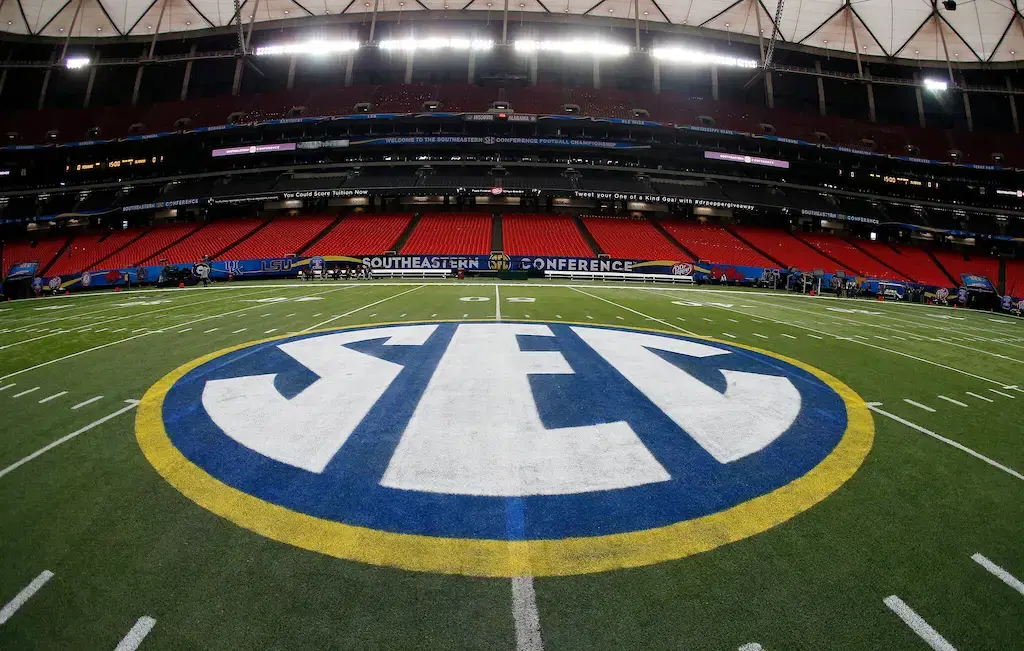
The Southeastern Conference (SEC) has introduced a strict new policy requiring all student-athletes to complete mandatory sports gambling education before participating in the 2026-27 season. This requirement applies across all member schools and functions as a hard eligibility gatekeeper for competition.
Under the rule, athletes cannot take part in their first regular-season game until they complete the training module.
The SEC designed the initiative to address rising integrity risks tied to sports betting activity. This includes exposure from US online sportsbooks, emerging prediction markets, and increased wagering on collegiate competitions such as NCAA football and NCAA basketball.
Why the SEC is Tightening Gambling Education Rules
The SEC's decision reflects growing concern over the scale and reach of modern betting markets. Conference officials have pointed to the rapid expansion of legal wagering as a direct challenge to competitive integrity in college sports.
According to reporting across industry outlets, approximately $12 billion was bet on SEC teams last season alone, highlighting the enormous financial footprint surrounding conference athletics.
In addition, surveys show that 58% of individuals aged 18 to 22 have placed at least one sports bet, underscoring how deeply gambling behavior has penetrated the student-age demographic.
SEC Commissioner Greg Sankey has also raised concerns about prediction markets, including platforms such as Kalshi and Polymarket. These markets allow users to trade financial contracts tied to game outcomes, creating additional complexity beyond traditional sportsbooks.
Sankey has warned that these platforms blur the line between financial speculation and sports wagering, increasing potential integrity risks for college athletics.
Recent gambling-related investigations in collegiate sports, including cases involving alleged betting violations and insider information misuse, have further intensified the urgency.
These developments have pushed the SEC toward stronger preventative education measures rather than relying solely on disciplinary enforcement.
Sankey has emphasized in multiple public remarks that education must evolve alongside the betting ecosystem. He has stressed that safeguarding student-athletes requires proactive training that addresses both traditional sportsbooks and emerging digital markets.
What the SEC Gambling Education Program Includes
The SEC's mandatory program is structured as a compliance requirement and includes several core components:
- A compulsory educational video covering gambling rules and integrity expectations
- Clear explanations of NCAA and SEC betting restrictions for student-athletes
- Training on risks tied to insider information and game manipulation
- Guidance on prohibited betting behavior involving collegiate sports
- Education on exposure to sportsbooks, prediction markets, and digital wagering platforms
- Reinforcement of reporting channels for suspicious activity
- Mandatory completion before eligibility for the first regular-season game
The SEC has positioned the program as both preventative and enforceable, making completion a prerequisite for participation rather than an optional resource.
SEC Gambling Education Aligns with Evolving NCAA Gambling Enforcement Framework
The SEC initiative aligns with broader NCAA efforts to strengthen gambling oversight across college athletics. The NCAA has increased enforcement actions related to betting violations, particularly involving NCAA football and NCAA basketball programs, where visibility and wagering activity are highest.
At the same time, the NCAA has expanded education and compliance expectations for athletes, coaches, and staff. While maintaining strict prohibitions on wagering involving college sports, it has focused more heavily on prevention-based strategies and standardized training programs.
This shift reflects a growing recognition that gambling exposure is no longer limited to traditional sportsbooks, but now includes digital platforms and emerging financial betting mechanisms like prediction markets.
Broader Significance of the SEC's Initiative
The SEC's mandatory gambling education program reflects three major shifts shaping modern college sports and the broader betting environment. These changes highlight how quickly the relationship between athletics, technology, and wagering has evolved.
Normalization of sports betting
Sports betting has become deeply embedded in the college sports experience, driven by widespread legalization and constant exposure through US online sportsbooks and digital media.
With participation rates among 18 to 22-year-olds reaching high levels, gambling is now a common behavior rather than a fringe activity. This normalization means student-athletes are increasingly familiar with betting culture before entering college programs, raising the importance of structured education.
Rising integrity pressure on college sports
The financial scale of wagering tied to college athletics has intensified scrutiny on competitive integrity. Billions of dollars are now wagered annually on major conferences. This includes games in NCAA football and NCAA basketball, increasing the stakes for compliance failures.
At the same time, emerging formats like prediction markets add new complexity. These platforms blur traditional boundaries between sports betting and financial trading. This expanded ecosystem has made integrity monitoring more challenging for governing bodies.
Shift toward preventative education models
College sports governance is moving away from relying primarily on punitive enforcement and toward early-stage prevention. Mandatory training programs, such as the SEC's new requirement, aim to standardize awareness and reduce violations before they occur.
This reflects a broader recognition that constant digital exposure to betting content requires continuous education. Disciplinary response after infractions should not be the only way offenders are handled.
These shifts highlight a broader structural adjustment in college athletics to manage gambling risks within a complex betting landscape.
Betting Industry News Betting Industry News Betting Industry News Betting Industry NewsMore Industry News
MD Sports Betting: Sept Handle $652M, Revenue Down 20%

New Brunswick Eyeing Private iGaming Market

Sen. Ted Cruz Bill Targets Federal Sports Prediction Markets

New Jersey Mandates Data-Driven Gambling Checks

Jonathan Rodriguez
Jonathan is an avid basketball fan, and is often looking forward to the next upcoming NBA season when not checking players' stats during games. He also likes to keep his ears on the ground for the latest rumblings in the online casino industry.
This site contains commercial content. We may be compensated for the links provided on this page. The content on this page is for informational purposes only. Betting News makes no representation or warranty as to the accuracy of the information given or the outcome of any game or event.