North Carolina Lawmakers Debate Higher Sports Betting Taxes

Written by: Jonathan Rodriguez
Published: Wed May 20, 2026, 10:00 am ET
Read Time: 3 minutes
industry
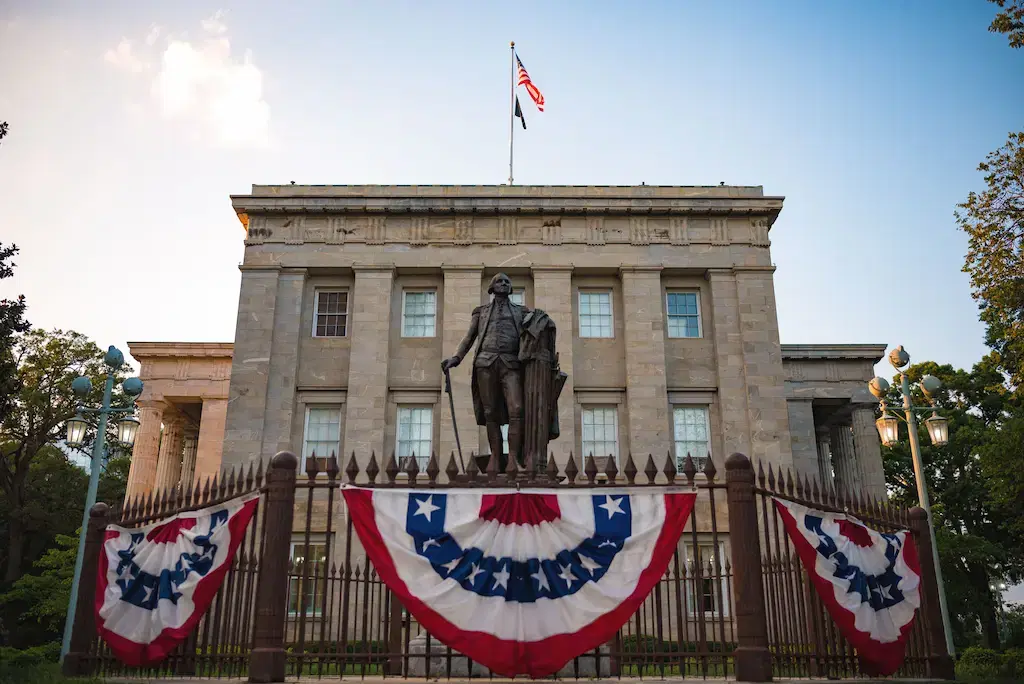
North Carolina lawmakers are weighing whether to raise sports betting taxes. The debate comes just over a year after mobile wagering launched in 2024.
Policymakers are now revisiting the state's 18% tax rate on sports betting revenue. At the same time, discussions inside the May 2026 legislative session focus on new funding needs tied to state payroll commitments. These include recently agreed salary increases for teachers and state employees.
As a result, North Carolina gambling revenue has become a central budget topic. Meanwhile, US online sportsbooks face growing uncertainty as tax proposals gain traction.
Lawmakers Debate Higher Sports Betting Taxes After Market Expansion
North Carolina policymakers are actively considering raising the sports betting tax rate beyond 18%. According to local reports, behind-the-scenes budget discussions reportedly target a new range between 20% and 30%.
In addition, some proposals explore an Illinois-style model. That structure could introduce a per-wager surcharge instead of only revenue-based taxation.
Lawmakers argue that the fast-growing market can support higher contributions. However, operators warn that aggressive increases could reduce competitiveness and slow long-term growth.
Rising Revenue Expectations
Sports betting has generated strong early tax receipts since launch. Therefore, lawmakers see it as a potential solution for rising state costs.
In particular, funding pressure for teacher and state employee pay raises has sharpened interest in new revenue sources. Consequently, gambling taxes now sit closer to core budget negotiations rather than peripheral policy discussions.
Broader National Trend Toward Higher Gambling Taxes
North Carolina also follows a wider national shift. Several states have recently reviewed or increased sportsbook tax rates.
As a result, policymakers see room to adjust without appearing out of step. Moreover, gambling revenue has become a more politically attractive funding source across the United States.
Political Pressure and Public Scrutiny
Public scrutiny continues to influence the debate. Lawmakers face concerns about gambling expansion and advertising exposure.
Additionally, some officials question whether current taxes reflect industry profitability. Therefore, the conversation now blends fiscal policy with regulatory oversight.
The Sports Betting Alliance (SBA), which represents major operators including FanDuel and DraftKings, has pushed back against aggressive tax hikes. The group argues that higher rates could reduce promotional spending and weaken the regulated market.
Prediction Markets Complicate the Tax Debate
Prediction markets add a new layer of complexity. These platforms allow users to trade contracts tied to event outcomes, including sports results.
Lawmakers worry that these products may compete directly with traditional sportsbooks while facing lower tax burdens.
- Sportsbooks like FanDuel and DraftKings pay 18% state gaming taxes
- Prediction market platforms may pay around 2.25% corporate tax, or potentially less in some jurisdictions
This gap raises concerns about regulatory imbalance. It also increases pressure to redefine how different wagering products are taxed.
Tax Fairness vs Market Competitiveness
Lawmakers now face a difficult trade-off. Higher taxes could generate more revenue for the state budget. However, they could also shift activity away from regulated US online sportsbooks toward lower-tax alternatives.
In addition, industry groups warn that excessive taxation could reduce investment and innovation in the legal market.
Supporters of reform argue that fairness matters more. They believe similar products should face similar tax treatment to prevent regulatory loopholes.
North Carolina lawmakers continue to negotiate within the May 2026 session. Ultimately, they must decide how to balance budget needs with market stability. The outcome will significantly shape the future of North Carolina gambling policy.
Betting Industry News Betting Industry News Betting Industry News Betting Industry NewsMore Industry News
MD Sports Betting: Sept Handle $652M, Revenue Down 20%

New Brunswick Eyeing Private iGaming Market
Sen. Ted Cruz Bill Targets Federal Sports Prediction Markets

New Jersey Mandates Data-Driven Gambling Checks

Jonathan Rodriguez
Jonathan is an avid basketball fan, and is often looking forward to the next upcoming NBA season when not checking players' stats during games. He also likes to keep his ears on the ground for the latest rumblings in the online casino industry.
This site contains commercial content. We may be compensated for the links provided on this page. The content on this page is for informational purposes only. Betting News makes no representation or warranty as to the accuracy of the information given or the outcome of any game or event.