Missouri AG Calls for Prediction Market Tax Parity

Written by: Jonathan Rodriguez
Published: Tue Sep 08, 2026, 8:00 am ET
Read Time: 3 minutes
industry
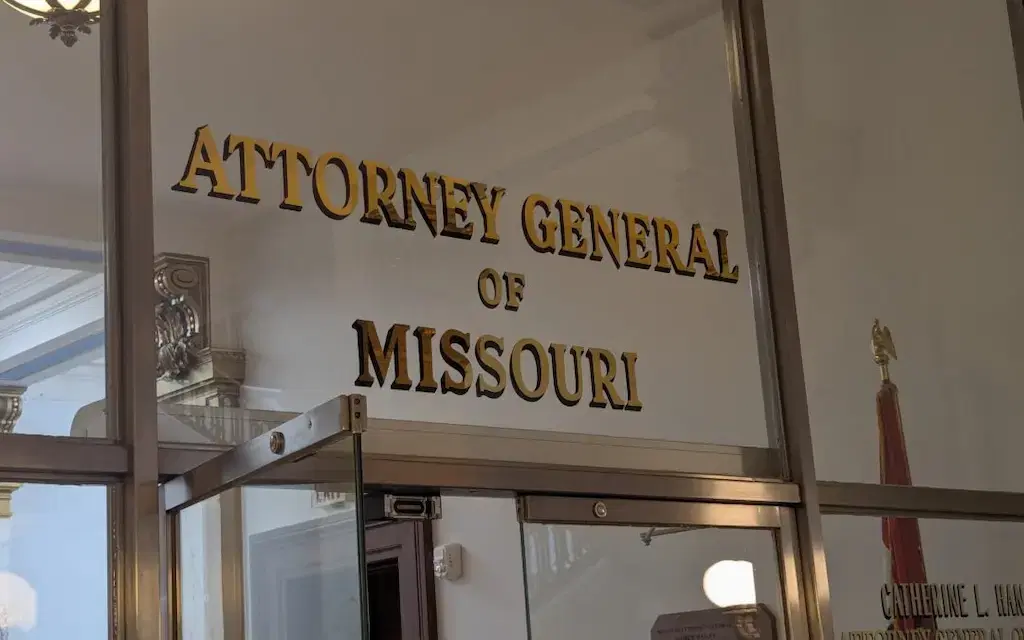
Missouri Attorney General (AG) Catherine Hanaway has called for equal treatment of prediction markets and traditional sportsbooks.
Her comments focus on platforms offering contracts tied to sports outcomes. She believes those contracts should face the same taxes and regulations as sports wagers.
The issue has gained attention as prediction markets expand into sports-related contracts across the United States. Meanwhile, state-regulated sportsbooks continue operating under established gambling frameworks.
For Missouri gambling, the debate could create new questions about taxation and regulatory oversight.
Missouri AG Hanaway Calls for Equal Treatment
Hanaway argued that prediction markets should not gain an advantage through a different regulatory structure. She specifically addressed platforms offering sports betting products.
"If these prediction markets allow sports betting on their platforms, then we think they should pay the same taxes as any of those other platforms and have the same regulatory structure," Hanaway said, according to Newstalk KZRG.
Her comments place the focus on how states classify sports-related prediction contracts. Traditional sportsbooks generally operate through state licenses and comply with local betting requirements.
Prediction markets often operate under a different framework. Their operators argue that event contracts qualify as financial products under federal commodities regulations.
That distinction has created tension between prediction-market companies and state gambling authorities.
Potential Impact on Missouri Gambling
Missouri voters approved legal sports wagering through a ballot measure in November 2024. The state then developed its regulatory framework and prepared operators for market launch.
The fully regulated sports betting market rolled out in late 2025. Since then, licensed operators have entered the state's online and retail betting market under Missouri's regulatory requirements.
Hanaway's position could challenge prediction-market operators seeking to offer sports contracts without comparable state obligations.
The issue also creates a competitive question for US online sportsbooks. Traditional operators must meet state licensing requirements while paying applicable sports betting taxes.
If prediction markets avoid those obligations, sportsbooks could face a different cost structure. State officials may therefore push for rules that establish greater parity.
For Missouri, the debate could also affect future sports betting policy. Regulators and lawmakers may need to determine whether sports contracts fit existing gambling definitions.
Hanaway Separates Sports From Election Contracts
Hanaway also addressed prediction markets offering contracts tied to elections. She indicated that lawmakers should decide whether those products remain permissible.
"With respect to whether they should be allowed to bet on the election, that to me is an issue for the legislature," Hanaway said.
She added, "It's my job to enforce the law."
Her comments draw a distinction between enforcing current statutes and creating new policy. That distinction could become important as prediction markets continue expanding.
Sports contracts present a particularly complicated question because they can resemble conventional wagers. Election contracts raise separate questions involving legislation and the scope of permitted prediction-market activities.
Prediction Markets Face Growing State Scrutiny
Missouri's position forms part of a wider national dispute over sports prediction contracts. State regulators have increasingly challenged prediction markets that offer contracts based on sporting events.
At the center of the dispute sits a question of jurisdiction. Prediction-market operators generally point to federal oversight of derivatives markets.
States, meanwhile, argue that sports contracts can fall within their gambling authority. They also have an interest in ensuring operators contribute taxes to state programs.
The disagreement could ultimately shape how prediction markets operate across the country. Court decisions and legislative action may determine whether states can regulate sports contracts.
For now, Hanaway's comments signal Missouri's interest in applying comparable rules to sports-related prediction markets.
Her position also reinforces a broader industry debate. Prediction markets and traditional sportsbooks increasingly compete for customers while operating under different regulatory models.
As the market develops, states could continue seeking greater tax and regulatory parity. That could make Missouri an important jurisdiction to watch for the future of sports prediction markets.
Betting Industry News Betting Industry News Betting Industry News Betting Industry NewsMore Industry News
MD Sports Betting: Sept Handle $652M, Revenue Down 20%

New Brunswick Eyeing Private iGaming Market
Sen. Ted Cruz Bill Targets Federal Sports Prediction Markets

New Jersey Mandates Data-Driven Gambling Checks

Jonathan Rodriguez
Jonathan is an avid basketball fan, and is often looking forward to the next upcoming NBA season when not checking players' stats during games. He also likes to keep his ears on the ground for the latest rumblings in the online casino industry.
This site contains commercial content. We may be compensated for the links provided on this page. The content on this page is for informational purposes only. Betting News makes no representation or warranty as to the accuracy of the information given or the outcome of any game or event.