Massachusetts Warns Prediction Markets Target Youth

Written by: Jonathan Rodriguez
Published: Fri Apr 24, 2026, 7:00 am ET
Read Time: 3 minutes
industry
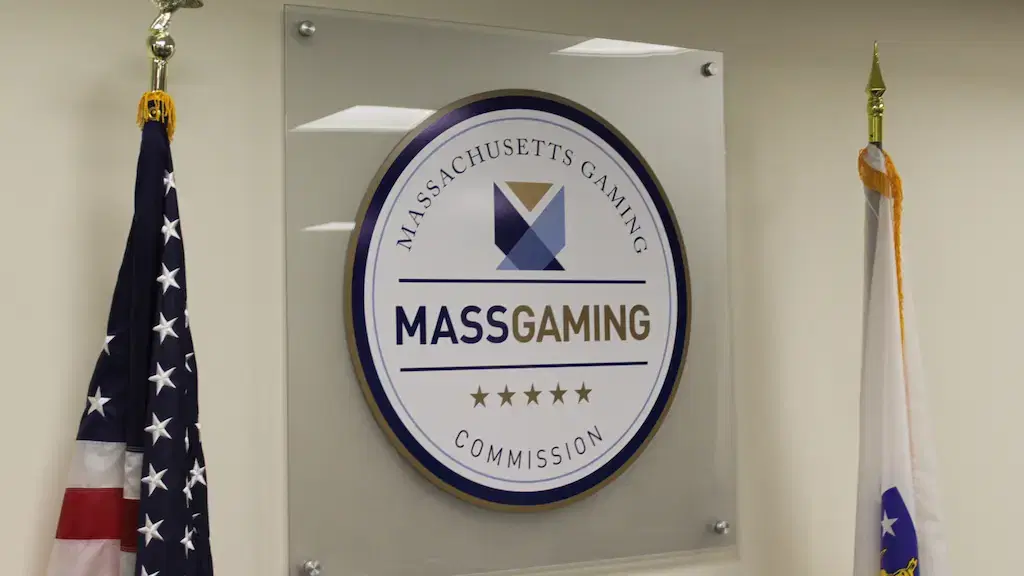
Massachusetts lawmakers from the Massachusetts Gaming Commission (MGC) have intensified scrutiny of prediction markets. Regulators warn these platforms may be targeting users under 21.
The concern adds urgency to ongoing debates around Massachusetts gambling laws. It also challenges how regulators oversee alternatives to US online sportsbooks.
Officials argue that prediction markets blur the line between financial trading and sports betting. As a result, they may expose younger audiences to gambling-style risks.
Speaking on WCVB's On the Record, MGC Chair Jordan Maynard has been particularly vocal. He stated that some platforms appear to "openly target" younger users.
Why Massachusetts Lawmakers Say Prediction Markets Target Younger Users
The MGC believes prediction markets actively appeal to audiences under the legal gambling age. Unlike licensed operators, these platforms often allow users aged 18 and older. This creates a gap in protections that Massachusetts gambling laws typically enforce.
Moreover, regulators highlight how these platforms promote specific products. The MGC is especially concerned about "event contracts." These include wagers on outcomes like championship MVPs or election results. The closer these contracts resemble prop bets, the stronger the regulatory pushback becomes.
In addition, regulators point to aggressive marketing strategies. Prediction market platforms frequently advertise through social media channels and college campuses. These environments naturally attract younger audiences, increasing exposure risks.
Furthermore, these platforms resemble modern digital products rather than traditional betting services. Their design and accessibility play a key role in their appeal:
- Easy mobile access allows users to engage anytime
- Gamified interfaces create a more immersive experience
- Integration with apps like TikTok and Instagram boosts visibility
- Low entry barriers attract first-time users
- Fast outcomes keep users engaged and returning
Consequently, regulators argue that these features make prediction markets more appealing than traditional US online sportsbooks. Licensed sportsbooks must follow strict rules, including age verification and responsible gaming tools. Prediction markets, however, may not offer the same safeguards.
Legal and Regulatory Conflict in Massachusetts
The debate over prediction markets extends beyond consumer protection. It also involves a complex legal dispute over jurisdiction. Platforms like Kalshi and Polymarket argue they fall under federal derivatives law. They claim oversight should come from federal regulators rather than state authorities.
However, the MGC strongly disagrees. Regulators insist these platforms function as unlicensed gambling products. Therefore, they should comply with Massachusetts gambling laws.
This conflict has created uncertainty within the state's gaming ecosystem. While US online sportsbooks operate under clear regulations, prediction markets exist in a gray area. As a result, enforcement remains inconsistent. This situation may undermine consumer protections and disrupt the regulated market.
Broader Gambling Risk Concerns
Beyond age-related issues, regulators highlight broader risks. They warn that prediction markets could increase problem gambling behaviors. Their always-on nature and rapid outcomes may encourage excessive participation.
Additionally, the lack of standardized safeguards raises concerns. Licensed operators must provide tools like deposit limits and self-exclusion programs. Prediction markets may not consistently offer these protections.
There are also concerns about transparency and fairness. Some officials fear potential market manipulation or insider advantages. These risks further complicate the regulatory landscape.
Proposed Responses to Address the Risks
Massachusetts lawmakers are now exploring several responses. First, regulators may pursue legal action to restrict certain prediction market offerings. This could clarify whether these platforms fall under state jurisdiction.
Additionally, the MGC is strengthening its consumer protection strategy. Chair Maynard recently highlighted a partnership with BetBlocker. This tool helps users block access to gambling-related websites and apps. Officials believe it can play a role in protecting younger users and families.
Finally, the MGC has called for federal guidance. A unified regulatory framework could help resolve jurisdictional disputes. It would also ensure consistent protections across all platforms.
For now, the debate continues. However, Massachusetts regulators remain firm in their stance. They aim to protect younger users and preserve the integrity of the state's gambling system.
Betting Industry News Betting Industry News Betting Industry News Betting Industry NewsMore Industry News
MD Sports Betting: Sept Handle $652M, Revenue Down 20%

New Brunswick Eyeing Private iGaming Market

Sen. Ted Cruz Bill Targets Federal Sports Prediction Markets

New Jersey Mandates Data-Driven Gambling Checks

Jonathan Rodriguez
Jonathan is an avid basketball fan, and is often looking forward to the next upcoming NBA season when not checking players' stats during games. He also likes to keep his ears on the ground for the latest rumblings in the online casino industry.
This site contains commercial content. We may be compensated for the links provided on this page. The content on this page is for informational purposes only. Betting News makes no representation or warranty as to the accuracy of the information given or the outcome of any game or event.