Kalshi Sues Montana After Cease-and-Desist Escalation

Written by: Jonathan Rodriguez
Last Update: Wed Apr 15, 2026, 9:32 am ET
Read Time: 4 minutes
industry
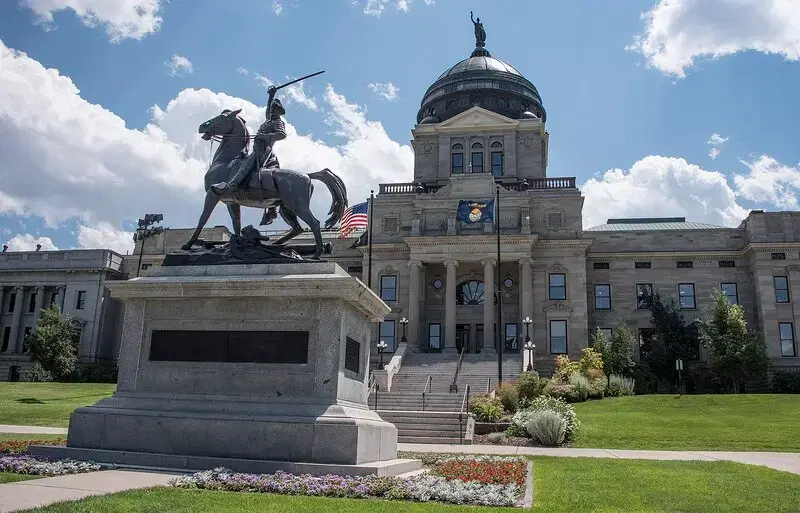
Kalshi has filed a federal lawsuit against Montana after the state issued a second cease-and-desist letter targeting its prediction market contracts. The company argues that Montana reversed earlier informal understandings and now threatens enforcement actions.
Moreover, the dispute highlights rising tension between state gambling regulators and federally regulated trading platforms. Kalshi is seeking to block both civil and potential criminal action while federal courts review jurisdiction over event contracts.
Why Kalshi Has Filed a Lawsuit Against Montana
Kalshi's lawsuit stems from a shifting regulatory posture in Montana. Initially, the state issued a cease-and-desist letter in March 2025.
However, both sides later reached an informal agreement to pause enforcement. That pause would remain in place while federal courts evaluated similar disputes in Nevada.
According to filings cited in multiple reports, this understanding was documented through email correspondence between Kalshi's legal counsel and Montana officials. Therefore, Kalshi believed active enforcement would not proceed during ongoing federal litigation involving prediction markets.
However, the situation changed in April 2026. Montana sent a new cease-and-desist letter on April 9, 2026. Consequently, Kalshi argues that the state signaled a shift toward potential civil or criminal prosecution over its contracts tied to election outcomes and sports-adjacent events.
These contracts typically include political election results, economic indicators, and sports-related outcomes. Montana regulators view these products as resembling unlicensed wagering activity.
Therefore, the state treats them as potentially falling under Montana gambling law rather than financial regulation.
Kalshi's Arguments
Kalshi argues that it operates as a federally regulated designated contract market under the Commodity Futures Trading Commission framework. Importantly, the Commodity Futures Trading Commission (CFTC) has actively intervened in related court cases.
The agency has filed statements supporting Kalshi's position that federal law likely preempts state gambling enforcement. This federal involvement adds significant weight to Kalshi's argument.
In effect, a federal regulator is backing a private company against state enforcement actions. Additionally, Kalshi maintains that its contracts function as financial derivatives rather than gambling products.
Furthermore, Kalshi argues that inconsistent state enforcement would fragment national markets. It also distinguishes its platform from US online sportsbooks by emphasizing regulated financial exchange mechanics rather than traditional betting structures.
Federal vs State Authority Over Prediction Markets in the Forefront
The central dispute concerns whether prediction markets fall under federal commodity regulation or state gambling control. Kalshi argues that event contracts qualify as federally regulated derivatives under the Commodity Exchange Act. Therefore, it claims only the CFTC can regulate or restrict these markets.
In contrast, prediction market operators maintain that federally approved exchanges must be protected from conflicting state laws. They emphasize that CFTC oversight establishes national uniformity.
Additionally, they argue that election and sports-adjacent contracts serve financial risk management purposes rather than gambling.
Meanwhile, Montana takes a stricter view. State officials argue that election-based markets and sports-linked contracts function like wagering on uncertain outcomes. Therefore, they believe Montana gambling laws apply, especially when platforms operate without state licensing.
Broader Context: Expanding Legal Battles Across States
The Montana case reflects a wider national conflict over prediction markets. In Arizona, regulators pursued criminal gambling charges against Kalshi tied to election outcome contracts. However, a federal judge recently blocked those charges, citing ongoing federal jurisdiction questions.
Meanwhile, Nevada continues to evaluate enforcement actions involving similar event contracts. These parallel disputes reinforce the fragmented regulatory landscape. As a result, Kalshi points to inconsistent state actions as justification for federal court intervention.
Additionally, the CFTC's participation in multiple cases signals growing federal interest in defending its regulatory authority. Consequently, courts are increasingly being asked to define the boundary between commodities trading and gambling regulation.
What Happens Next in Montana
The federal court will now decide whether Montana can enforce its cease-and-desist order against Kalshi. If Kalshi succeeds, the ruling could further limit state authority over federally regulated prediction markets. However, if Montana prevails, states may gain stronger control over election and sports-related event contracts.
For now, Kalshi continues operating while seeking injunctive relief. Meanwhile, regulators, exchanges, and US online sportsbooks closely monitor the case. Ultimately, the decision could shape how prediction markets are regulated across the United States.
Betting Industry News Betting Industry News Betting Industry News Betting Industry NewsMore Industry News
South Carolina Governor Race Could Open Door to Sports Betting

Nevada Targets 2027 Sportsbook Tech Standards Overhaul
NFL Backs SCOTUS Review of Prediction Markets

Coinbase Halts Sports Contracts in Michigan

Jonathan Rodriguez
Jonathan is an avid basketball fan, and is often looking forward to the next upcoming NBA season when not checking players' stats during games. He also likes to keep his ears on the ground for the latest rumblings in the online casino industry.
This site contains commercial content. We may be compensated for the links provided on this page. The content on this page is for informational purposes only. Betting News makes no representation or warranty as to the accuracy of the information given or the outcome of any game or event.