Connecticut Court Rejects Kalshi Injunction Request

Written by: Jonathan Rodriguez
Published: Tue Aug 11, 2026, 8:00 am ET
Read Time: 4 minutes
industry
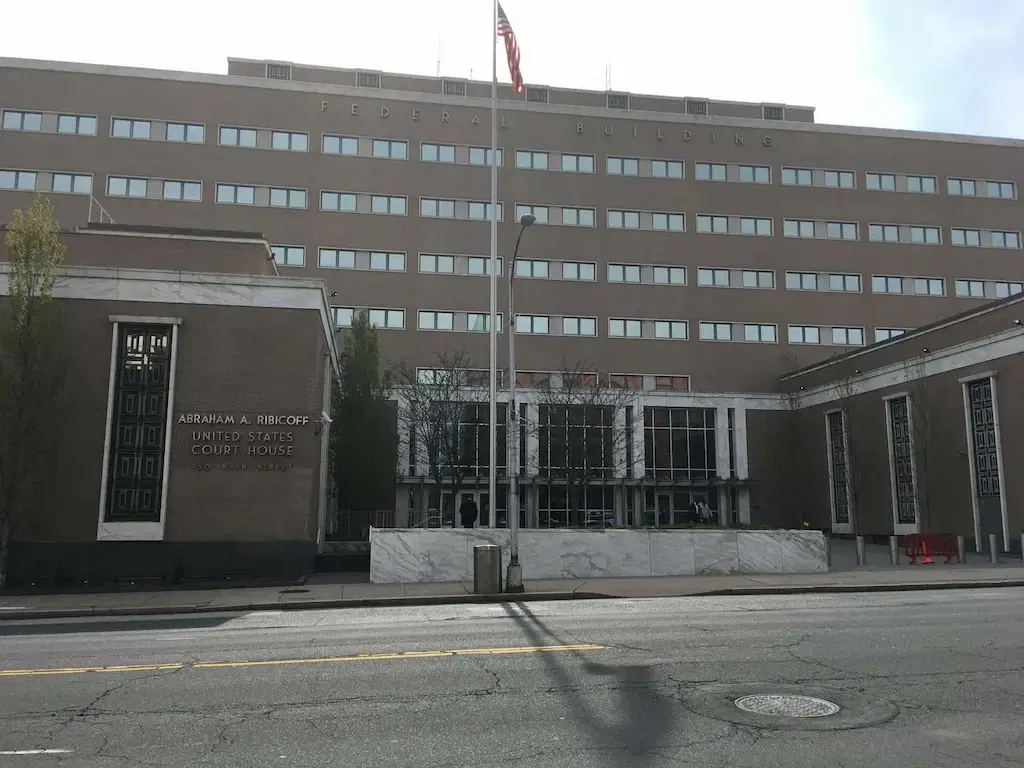
Kalshi suffered another legal setback after a Connecticut federal court rejected its preliminary injunction request. Judge Vernon D. Oliver issued the ruling on August 10, 2026.
The decision allows Connecticut to continue pursuing enforcement against the prediction market platform's sports-event contracts. The court rejected Kalshi's argument that federal derivatives law shields its products from state gambling rules.
The ruling could also affect the wider battle over prediction markets across the United States. Kalshi continues arguing that federal oversight gives the Commodity Futures Trading Commission (CFTC) exclusive authority.
For now, Judge Oliver has rejected that position in Connecticut. The decision strengthens the state's ability to apply its gambling framework to Kalshi.
The Court's Legal Reasoning
Judge Oliver rejected Kalshi's preliminary injunction request for two central reasons. First, he found that Kalshi's sports-event contracts do not qualify as swaps under the Commodity Exchange Act (CEA).
Second, he determined that Kalshi failed to show federal law clearly preempts Connecticut's gambling regulations. The judge also questioned whether Congress intended to transfer traditional state sports-wagering authority to the CFTC.
"Kalshi characterizes its sports-related event contracts in various ways, but at bottom, they are sports wagers," wrote Oliver.
"The Court declines to conclude either that these sports wagers are properly categorized as swaps and fall under the CFTC's authority, or that Congress clearly displaced Connecticut's traditional authority to regulate sports wagering and vested that authority in the CFTC, an agency that has not historically regulated sports wagering and has not exercised meaningful oversight over Kalshi's sports event contracts."
Oliver also found that Kalshi's contracts depend on sporting outcomes or specific in-game events. He said those contracts do not depend on whether an underlying event occurs.
As a result, the court rejected Kalshi's argument that the CEA prevents Connecticut from enforcing its gambling laws.
What the Ruling Means for Kalshi
Kalshi also failed to demonstrate that Connecticut's rules directly conflict with federal derivatives regulation. Oliver said the two regulatory systems could coexist without creating a direct conflict.
The judge also suggested that Kalshi could seek a Connecticut gaming license. He said state requirements do not automatically conflict with federal law.
Therefore, Connecticut can move forward with efforts to regulate Kalshi's sports contracts as gambling. That could create significant restrictions for Kalshi's operations within the state.
Following the decision, Kalshi indicated that it disagrees with the ruling. The company has appealed the decision to the Second Circuit Court of Appeals.
The appeal adds another federal court proceeding to Kalshi's broader legal campaign. Attorney Daniel Wallach said Kalshi now faces two Second Circuit appeals that could potentially be combined.
Connecticut's Case Background
Connecticut's dispute with Kalshi began after state regulators targeted prediction-market platforms offering sports-related contracts.
On December 2, 2025, the Connecticut Department of Consumer Protection's Gaming Division issued cease-and-desist notices. The notices targeted Kalshi, Robinhood, and Crypto.com over alleged unlicensed sports wagering.
Other prediction-market companies have also faced separate legal disputes with state regulators. Coinbase and other platforms have pursued their own challenges over state efforts to regulate event contracts.
Connecticut also raised concerns about gambling-age requirements and wagers involving Connecticut college sports teams. State law sets the minimum legal gambling age at 21 and restricts certain collegiate wagering.
Kalshi filed its lawsuit against Connecticut the following day. The company argued that its event contracts fall under federal CFTC oversight.
Initially, Judge Oliver allowed Kalshi to continue offering its sports contracts while he considered the injunction request. The court later held oral arguments in February 2026.
The August 10 ruling now changes that position and gives Connecticut greater room to enforce its gambling laws.
Kalshi Adds More States to Their Legal Battle List
The decision also arrives amid mounting legal pressure on Kalshi elsewhere. Courts or regulators in Michigan, Nevada, New York, Utah, and Washington have challenged its sports contracts.
That growing resistance could have implications for US online sportsbooks and prediction-market operators. The products increasingly compete for consumers interested in sports wagering.
For Connecticut, the ruling reinforces its position that sports prediction contracts fall under Connecticut gambling regulation. For Kalshi, the fight now moves toward the Second Circuit as the company continues challenging state authority.
Betting Industry News Betting Industry News Betting Industry News Betting Industry NewsMore Industry News
North Carolina Sports Betting Tops $520 Million in August
theScore Bet Inks Multi-Year NFL Partnership in Canada

Illinois Court Backs Kalshi in Prediction Market Case
Ohio Sports Betting Revenue Falls 19.9% in August 2026

Jonathan Rodriguez
Jonathan is an avid basketball fan, and is often looking forward to the next upcoming NBA season when not checking players' stats during games. He also likes to keep his ears on the ground for the latest rumblings in the online casino industry.
This site contains commercial content. We may be compensated for the links provided on this page. The content on this page is for informational purposes only. Betting News makes no representation or warranty as to the accuracy of the information given or the outcome of any game or event.