CFTC Moves to Define Event Contracts as Swaps

Written by: Jonathan Rodriguez
Published: Thu Oct 01, 2026, 10:00 am ET
Read Time: 4 minutes
industry
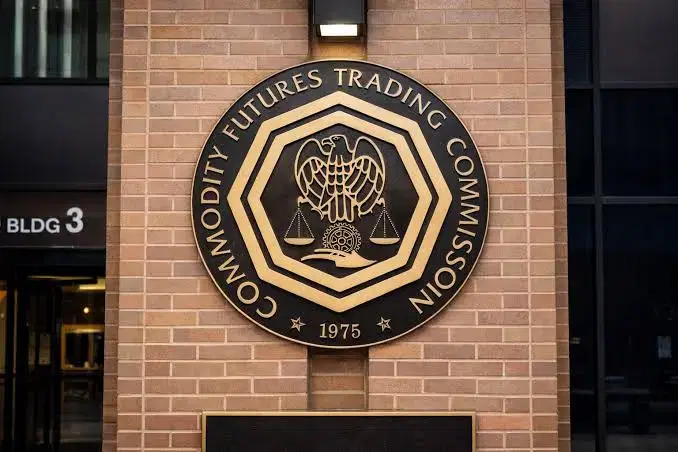
The US Commodity Futures Trading Commission (CFTC) has taken another step toward defining event contracts as swaps. The agency submitted two measures to the White House Office of Management and Budget (OMB) on September 28.
One measure would formally include event contracts within the definition of swaps. The other would exclude casino-style gambling products from that definition.
The filings arrive as federal courts and state regulators continue to dispute prediction-market jurisdiction. They also come as several related cases move toward the U.S. Supreme Court.
CFTC Targets Event Contract Classification
The proposed rule would expand the federal definition of a swap to include event contracts. These contracts typically pay based on whether a specified event occurs.
Prediction markets offer contracts covering sports, elections, economic indicators, weather, and other events. The CFTC has argued that federal derivatives law provides the regulatory framework for these markets.
The agency's latest proposal could strengthen that position. It could also provide a clearer federal basis for platforms offering event contracts.
However, the proposal does not automatically settle disputes with state gambling authorities. Those regulators have continued arguing that certain sports contracts constitute gambling under state law.
The distinction matters for markets that increasingly overlap with sports wagering. Consumers familiar with US online sportsbooks may encounter similar sports outcomes through prediction-market contracts. However, federal derivatives law and state gambling law treat these products differently.
Interim Rule Could Move More Quickly
The CFTC submitted the two measures under different regulatory procedures. The event-contract measure is a proposed rule, while the casino-style gambling measure is an interim final rule.
That distinction could have immediate consequences.
Unlike a standard proposed rule, the interim final rule does not necessarily require the CFTC to complete a traditional notice-and-comment period before implementation. Once OMB clears the measure and the CFTC publishes it, the interim rule could take effect immediately.
Additionally, the rule would establish that casino-style gambling products fall outside the CFTC's definition of swaps. Public comments and subsequent revisions could still shape its longer-term form.
Meanwhile, the separate event-contract proposal would follow the standard rulemaking process. Therefore, the two measures could advance on different timelines.
Supreme Court Petitions Add to the Timing
The CFTC's filings also arrive as the legal fight reaches the Supreme Court.
New Jersey filed a petition challenging a Third Circuit decision involving Kalshi's sports contracts. The Supreme Court docket shows that the petition was filed on September 2.
Crypto.com has also asked the Supreme Court to review a Ninth Circuit case involving Nevada. The petition was filed on September 11.
Robinhood has separately sought Supreme Court review in litigation involving sports-related event contracts. Its petition argues that the Commodity Exchange Act preempts state gaming laws.
Consequently, the CFTC's OMB filings could become significant administrative developments while the Supreme Court considers whether to take these cases.
Courts Remain Divided Over Federal Authority
The legal dispute intensified after federal appellate courts reached different conclusions about state authority.
The Third Circuit previously held that the Commodity Exchange Act likely preempted New Jersey's application of state gambling law to Kalshi's sports contracts. The Sixth Circuit later reached the opposite conclusion in cases involving Ohio and Tennessee.
The Ninth Circuit has also ruled against federal preemption in litigation involving Nevada. Crypto.com's Supreme Court petition challenges that decision.
This split has created uncertainty over whether federally regulated exchanges can offer sports-related contracts without complying with state gambling restrictions.
The CFTC's proposed swap definition could therefore become relevant to the Supreme Court's consideration. Robinhood's petition specifically notes that the CFTC is pursuing a rule addressing the classification of event contracts.
OMB Review Marks an Important Next Stage
Both measures remain under OMB review, according to the federal regulatory database. The event-contract measure is listed as a proposed rule, while the casino-style gambling measure is listed as an interim final rule.
The different classifications create different procedural paths. The interim final rule could become effective immediately after OMB clearance and publication.
The proposed event-contract rule would instead proceed through the normal notice-and-comment process. Its final language could therefore take longer to emerge.
For now, the CFTC's latest action adds another layer to an already complex legal dispute. Federal regulators seek clearer authority over event contracts, while states continue defending their gambling oversight.
At the same time, Supreme Court petitions could bring the broader federal-versus-state question before the nation's highest court. The outcome of that litigation could shape how prediction markets operate across the United States.
Betting Industry News Betting Industry News Betting Industry News Betting Industry NewsMore Industry News

New Jersey SB 597 Targets Underage Gambling Penalties

Florida AG Uthmeier Targets Sweepstakes Casino Ads

NCPG Leadership Turnover Mounts Under Kalshi Deal Scrutiny

Octoplay Secures Pennsylvania Authorization for US Expansion

Jonathan Rodriguez
Jonathan is an avid basketball fan, and is often looking forward to the next upcoming NBA season when not checking players' stats during games. He also likes to keep his ears on the ground for the latest rumblings in the online casino industry.
This site contains commercial content. We may be compensated for the links provided on this page. The content on this page is for informational purposes only. Betting News makes no representation or warranty as to the accuracy of the information given or the outcome of any game or event.