CFTC Escalates Michigan Kalshi Sports Contract Fight

Written by: Jonathan Rodriguez
Published: Thu Jul 16, 2026, 11:00 am ET
Read Time: 4 minutes
industry
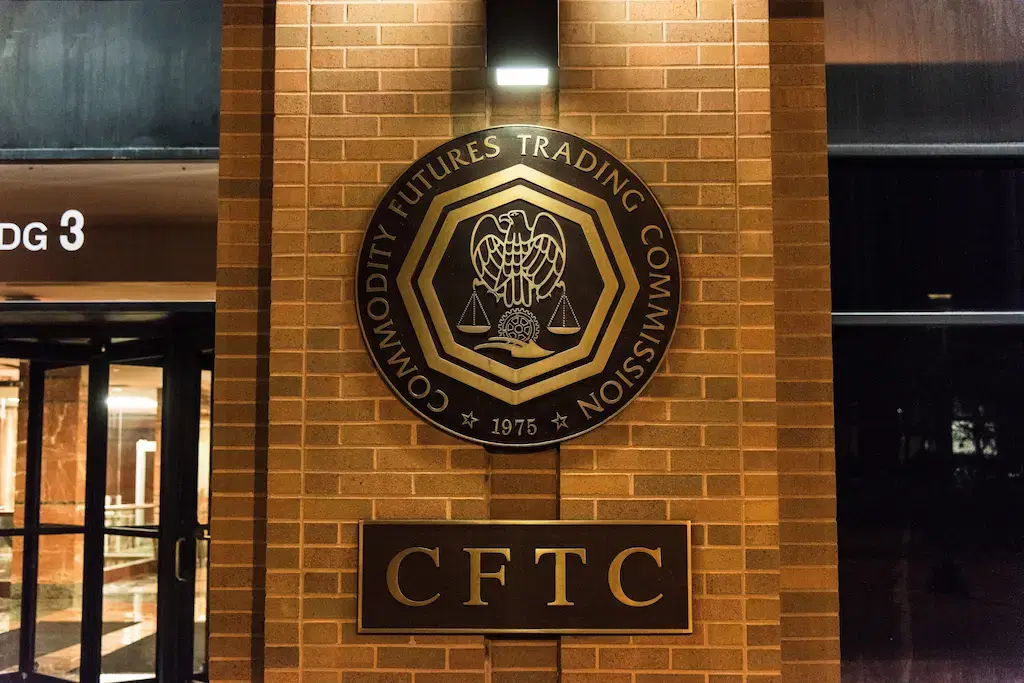
The Commodity Futures Trading Commission (CFTC) has intensified its legal clash with Michigan over Kalshi's sports event contracts.
The federal regulator recently ordered Kalshi to honor certain trades involving Michigan residents. The move directly challenges a Michigan court order requiring the company to unwind some executed positions.
Meanwhile, Michigan has strengthened its restrictions against Kalshi's sports contracts. The state now requires the prediction market to complete statewide geofencing by August 12.
The escalating dispute highlights a growing conflict between federal derivatives oversight and state gambling laws. It could also influence the future relationship between prediction markets and US online sportsbooks.
CFTC Intervenes in Michigan's Legal Dispute With Kalshi
The dispute began after Michigan courts ordered Kalshi to stop offering sports event contracts to state residents.
Michigan Attorney General Dana Nessel and the Michigan Gaming Control Board argue that Kalshi operates an unlicensed sportsbook. They claim the company's sports contracts fall under Michigan gambling laws.
Kalshi, meanwhile, argues that federal commodities law governs its markets. The company operates as a designated contract market under CFTC oversight.
The dispute escalated after a Michigan court ordered certain executed trades to be voided, canceled, and refunded. Kalshi then filed an emergency rule proposal to liquidate affected positions.
The CFTC intervened before that proposal could take effect. The agency stayed Kalshi's emergency rule and ordered the exchange to fulfill the trades through normal procedures.
CFTC Chairman Michael Selig strongly defended the federal regulator's position.
"A state cannot force a DCM [designated contract market] to violate its obligations, and federal law does not permit a DCM to discriminate against a state's residents," said CFTC Chairman Michael Selig. "Canceling trades that have already been executed is an unprecedented step that risks a cascading effect on the entire marketplace and undermines the certainty in contracting that is a necessary component of a functioning market."
The CFTC also argued that federal law pre-empts state gambling regulations in this context. Selig said state courts cannot "bully" federal registrants into violating the Commodity Exchange Act.
CFTC Warns Trade Cancellations Could Threaten Market Stability
Additionally, the agency warned about serious market stability risks. Every derivatives trade involves two sides, including counterparties and clearing arrangements.
Therefore, canceling one side could leave clearinghouses exposed to significant risk. Alternatively, counterparties could face pressure to unwind related positions.
The CFTC argued that repeated trade cancellations could damage confidence in federally regulated markets. It also warned that traders could fear future positions might later face forced cancellation.
Michigan Tightens Restrictions as CFTC Orders Kalshi to Honor Trades
Michigan has continued strengthening its efforts to restrict Kalshi's operations.
Judge Rosemarie Aquilina's revised order gives Kalshi until August 12 to complete statewide geofencing. The technology must prevent Michigan residents from accessing the company's sports event contracts.
The order also raises the financial consequences for noncompliance. Kalshi could face $500,000 in daily fines starting August 13.
That framework replaces the previous $120,000 daily penalty. The revised order followed the court's rejection of Kalshi's arguments during a July hearing.
Michigan officials say Kalshi should follow the same rules as licensed operators. Those rules include licensing, consumer protections, responsible gambling requirements, and taxation.
The state also argues that Kalshi creates an uneven market for licensed operators, including US online sportsbooks.
However, the CFTC's latest intervention creates a direct conflict with Michigan's enforcement strategy. The federal agency ordered Kalshi to honor certain trades after the state court demanded their cancellation.
Kalshi's legal counsel expressed disappointment with the federal intervention. The company had already begun unwinding the trades to comply with Michigan's order.
The conflicting directives left Kalshi in what its counsel described as an "impossible position."
As a result, Kalshi now faces competing obligations from federal and state authorities.
CFTC Action Highlights Wider Prediction Market Power Struggle
The latest development reflects a much broader dispute over prediction markets across the United States.
States increasingly argue that sports event contracts function like traditional sports wagers. Therefore, they believe state gambling laws should govern those products.
The CFTC takes a different position. The agency maintains that federally regulated derivatives markets fall under its exclusive authority.
That disagreement has already produced lawsuits, injunctions, and conflicting court decisions. The CFTC has also challenged state efforts to restrict federally regulated prediction market operators.
Michigan's case now adds another major complication. The dispute no longer concerns only whether Kalshi can offer sports contracts in the state.
Instead, it raises whether a state court can force a federally regulated exchange to unwind trades. The CFTC's response suggests the federal government will aggressively defend its authority.
The outcome could shape the future of Michigan gambling and prediction markets nationwide. It could also affect how operators compete with US online sportsbooks.
For now, Michigan's restrictions remain in place while the CFTC continues asserting federal pre-emption. Kalshi must navigate both legal battles as the conflict moves forward.
The dispute could ultimately require higher courts to define the boundary between state gambling authority and federal derivatives regulation.
Betting Industry News Betting Industry News Betting Industry News Betting Industry NewsMore Industry News
Week 6 — Injury Report
Massachusetts Probes Sportsbooks Over AI Promotions

Alberta iGaming Market Enters Enforcement Phase

Games Global Gains West Virginia iGaming License

Jonathan Rodriguez
Jonathan is an avid basketball fan, and is often looking forward to the next upcoming NBA season when not checking players' stats during games. He also likes to keep his ears on the ground for the latest rumblings in the online casino industry.
This site contains commercial content. We may be compensated for the links provided on this page. The content on this page is for informational purposes only. Betting News makes no representation or warranty as to the accuracy of the information given or the outcome of any game or event.