Aqueduct Closing: What It Means for New York Racing and Bettors

Written by: Chris Adams
Last Update: Tue Dec 30, 2025, 11:27 am ET
Read Time: 5 minutes

horses
The news that Aqueduct Racetrack is officially closing marks the end of an era for New York horse racing. Long known as the backbone of NYRA's winter racing calendar, Aqueduct has played a crucial role in keeping the sport alive in the Northeast during the coldest months of the year. With NYRA confirming Aqueduct's final season and a major shift in its 2026 racing schedule, fans and bettors alike are now adjusting to a future without one of racing's most recognizable venues.
For sports bettors who enjoy wagering on horses casually, this change will reshape how New York racing looks, feels, and plays—especially with Belmont Park returning in a new form.
A Brief History of Aqueduct Racetrack
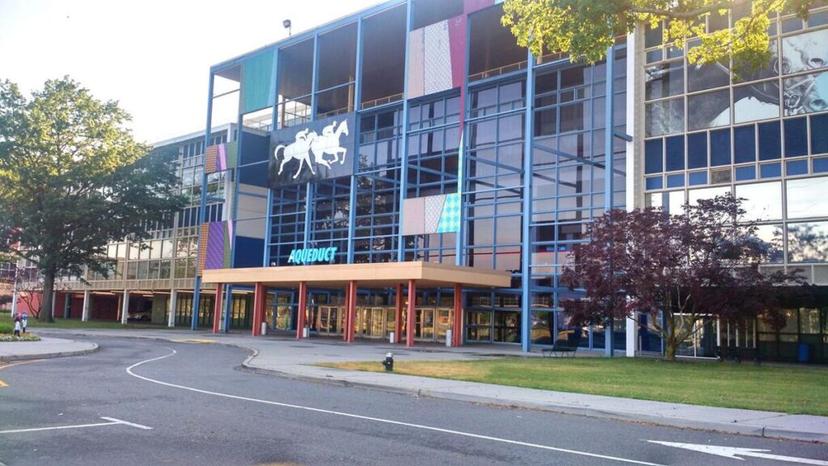
The entrance to Aqueduct Race Track
Aqueduct Racetrack opened in 1894 in Queens, New York, making it one of the oldest major racetracks in the United States. Over the decades, it evolved from a traditional dirt oval into a uniquely modern facility featuring three racing surfaces: dirt, turf, and the Inner Track, which famously hosted winter racing for decades.
Aqueduct became synonymous with New York winter racing, hosting meets when Belmont Park and Saratoga were dark. Legendary horses, Hall of Fame jockeys, and countless bettors braved cold weather and short fields to keep NYRA racing alive year-round.
In 2011, Aqueduct further distinguished itself by opening Resorts World Casino, blending racing with gaming revenue and helping stabilize NYRA during financially challenging times. Despite its importance, Aqueduct has long been viewed as a temporary solution rather than a permanent home for New York racing.
Why NYRA Is Closing Aqueduct
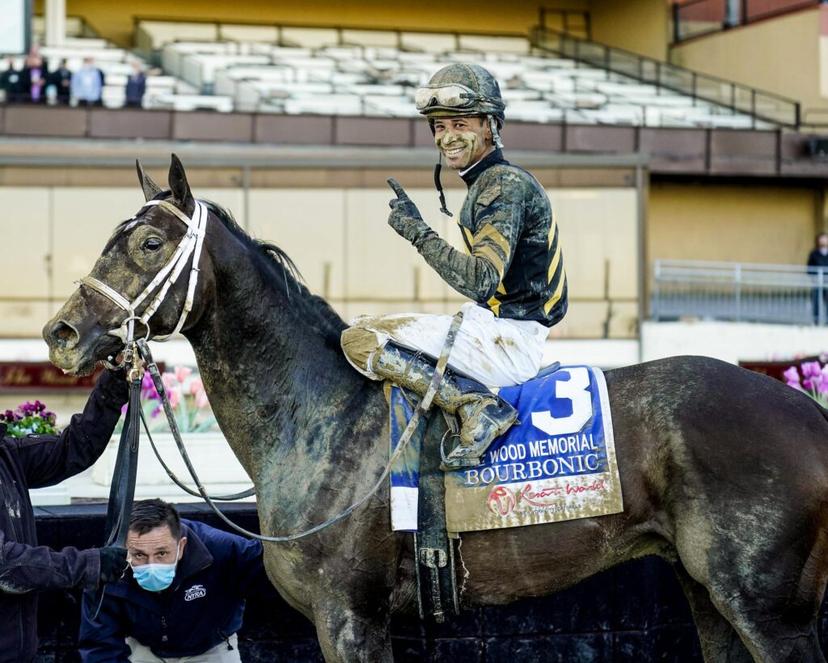
Bourbonic and Kendrick Carmouche pose in front of a near empty grandstand for one of the Kentucky Derby's biggest preps
The decision behind the Aqueduct Racetrack closing is rooted in modernization, economics, and long-term planning.
NYRA's newly announced racing schedules confirm that Belmont Park will reopen in the fall of 2026, effectively replacing Aqueduct as New York's year-round racing hub. The rebuilt Belmont Park will feature a state-of-the-art facility and, most notably for bettors, a Tapeta all-weather surface.
Maintaining Aqueduct alongside a renovated Belmont no longer makes financial or logistical sense. Aqueduct's infrastructure is aging, attendance has steadily declined, and the property sits on valuable real estate. Rather than splitting racing dates across multiple venues, NYRA is consolidating its product to deliver a more modern, bettor-friendly experience.
In short, Aqueduct's role as a winter-only stopgap is no longer needed once Belmont is fully operational.
How New York Racing Will Change Without Aqueduct
For bettors, the biggest adjustment won't just be losing Aqueduct—it will be learning how to bet a new New York racing product.
Belmont Park's Tapeta Surface Changes Everything
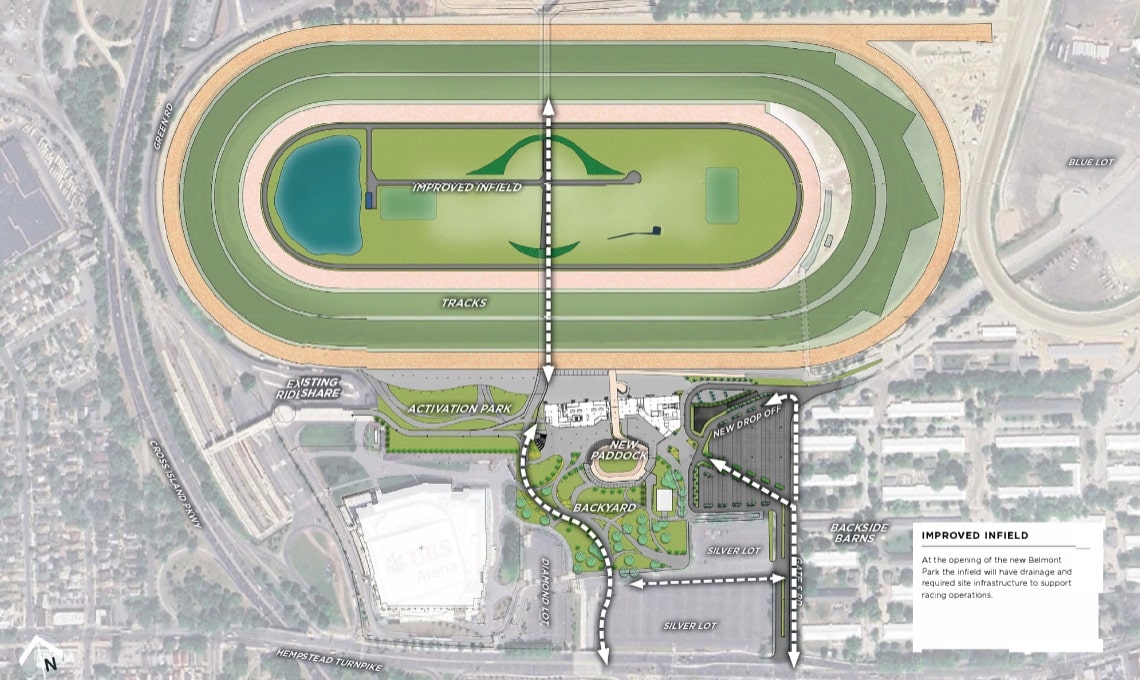
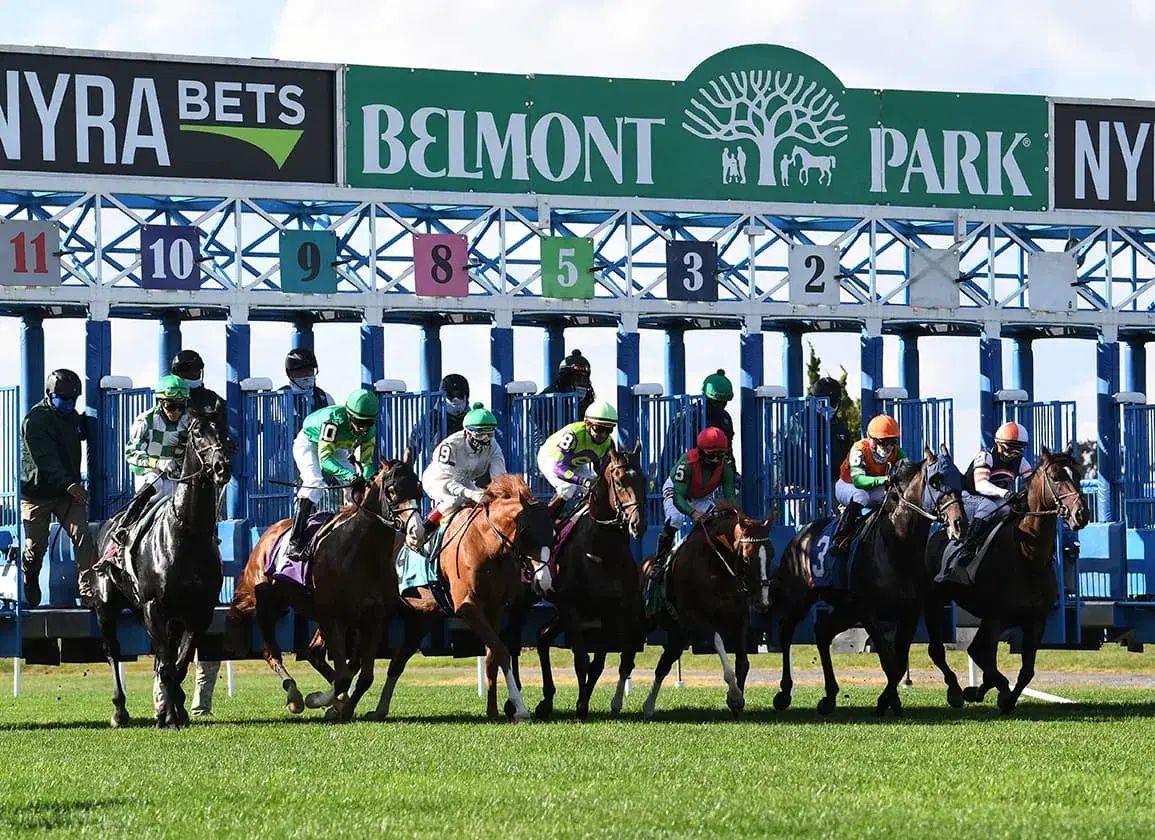
The new layout for Belmont Park includes an all-weather surface.
The introduction of Tapeta, an all-weather synthetic surface, is a major shift for NYRA racing. Bettors familiar with Gulfstream Park's all-weather course already know what this means:
-
Different speed biases
-
Horses handling surfaces more consistently
-
Fewer weather-related scratches
-
Less emphasis on pure dirt pedigree
Tapeta often rewards stamina, tactical speed, and surface experience, forcing bettors to rethink handicapping angles that worked at Aqueduct's dirt-heavy winter meets.
Changes to Betting Strategy
Casual horse bettors can expect:
-
More consistent racing conditions during winter months
-
Potentially larger and more competitive fields
-
A learning curve similar to Gulfstream's transition when its all-weather track debuted
Early Tapeta meets often produce overlay opportunities as the public struggles to price horses correctly. Bettors who adapt quickly—by tracking surface form and trainer intent—may find value before the market stabilizes.
A Streamlined NYRA Product
Without Aqueduct, New York racing becomes more consolidated:
-
Saratoga remains the summer crown jewel
-
Belmont Park becomes the year-round anchor
-
Fewer venue changes make it easier for casual bettors to follow NYRA racing without constantly adjusting
For sports bettors who wager on horses "for fun," this simplification may actually make New York racing more approachable.
The End of Aqueduct, the Start of a New Era
The closing of Aqueduct Racetrack is undeniably emotional for longtime fans, but for bettors and the future of NYRA racing, it represents progress rather than decline. With a modern Belmont Park, a Tapeta surface, and a streamlined racing calendar, New York horse racing is positioning itself for sustainability in a competitive betting landscape.
As Aqueduct runs its final races, bettors should view this moment not just as an ending—but as an opportunity to get ahead of the next chapter in New York racing.

Chris first got introduced to horse racing in 2009 at Canterbury Park (Shakopee, MN). Along with handicapping and betting, Chris has worked as a teller at his local track and participated in ownership partnerships. He now enjoys sharing his passion with his wife and two young daughters who love going out to the track each and every summer.
This site contains commercial content. We may be compensated for the links provided on this page. The content on this page is for informational purposes only. Betting News makes no representation or warranty as to the accuracy of the information given or the outcome of any game or event.
More Horses News
Horse Betting News
Woodbine: Grade 3 Durham Cup Stakes (9/19/2026)
Chris Adams
Horse Betting News
Parx Racing: Grade 1 Pennsylvania Derby (9/19/2026)
Chris Adams
Horse Betting News
Churchill Downs: Grade 3 Dogwood Stakes (9/19/2026)
Chris Adams