Novig Sues Wisconsin Over Sports Prediction Contracts

Written by: Jonathan Rodriguez
Published: Tue Aug 18, 2026, 11:00 am ET
Read Time: 4 minutes
industry
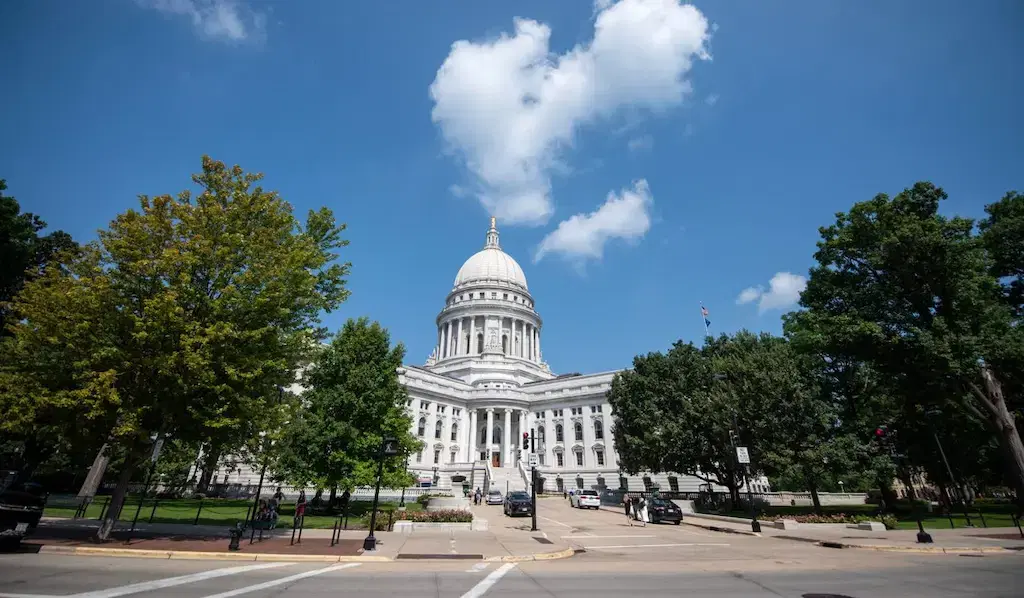
Novig has filed a preemptive federal lawsuit against Wisconsin over its sports-related prediction contracts. The move comes shortly after the company launched its prediction markets nationwide.
The lawsuit targets Wisconsin Attorney General Josh Kaul and state gaming administrator John Dillett. Novig filed the 45-page complaint in the U.S. District Court for the Western District of Wisconsin.
The company wants the court to prevent Wisconsin from enforcing state gambling laws against its federally regulated contracts. Novig also seeks declaratory and injunctive relief against potential state enforcement.
The legal challenge adds another dispute to an expanding fight over prediction markets. It also highlights the growing tension between prediction platforms and traditional gambling regulators.
A Preemptive Multi-State Legal Strategy
Novig launched its sports prediction markets on August 4. Wisconsin is the fifth state Novig has sued within a two-week span.
The company has also filed lawsuits against New York, New Mexico, Massachusetts, and Washington. This broader legal campaign shows Novig is challenging state-level restrictions across multiple jurisdictions.
The Wisconsin lawsuit represents a preemptive move because Novig expects state officials to challenge its operations. Wisconsin has already sued several prediction market companies over similar sports contracts.
Those companies include Kalshi, Polymarket, and Crypto.com, along with their affiliates. Wisconsin officials argue that sports-related event contracts effectively represent sports wagers under state law.
Novig says Wisconsin's previous actions created a clear risk for its business. The company therefore wants federal courts to settle the regulatory dispute before Wisconsin takes action.
"Wisconsin has moved aggressively against federally regulated event-contract trading within its borders, suing Kalshi, Polymarket, and Crypto.com, and their affiliates, for offering the type of contracts at issue here,"
"Novig, having just secured its status as a Designated Contract Market ('DCM') registered by the CFTC, brings this action to prevent Defendants from doing the same to Novig."
The platform's position also differs from several competing prediction platforms. The company focuses exclusively on sports-related markets rather than politics and other event categories.
Additionally, Novig requires users to be at least 21 years old. That requirement aligns with Wisconsin's minimum gambling age.
Novig's Argument
According to Novig, the Commodity Exchange Act awards regulatory powers over prediction platforms to the Commodity Futures Trading Commission (CFTC).
The company argues that federal oversight therefore preempts conflicting state gambling regulations. Its argument relies on the CFTC's authority over federally regulated derivatives and designated contract markets.
Novig's exchange subsidiary, Ludlow Exchange LLC, received Designated Contract Market status from the CFTC on June 16. That approval allowed Novig to enter the prediction market sector under federal oversight.
Novig now argues that Wisconsin cannot apply its gambling laws to federally regulated sports event contracts. The company has also requested expedited consideration because it considers state enforcement a significant business risk.
Still, Novig faces an important legal obstacle in Wisconsin.
A federal judge recently denied the CFTC's request to block Wisconsin's enforcement efforts against prediction market operators. Judge William Griesbach ruled that the CFTC had not demonstrated a sufficient likelihood of success for preliminary relief.
That ruling did not permanently resolve the broader question of federal preemption. Nevertheless, it gives Wisconsin officials a recent decision supporting their regulatory position.
Wisconsin Gambling Laws and Why the Case Matters
Wisconsin maintains strict gambling restrictions under state law. Sports betting is also limited to regulated tribal gaming compacts rather than a broad commercial online sportsbook market.
That structure helps explain why Wisconsin officials view non-tribal online sports event contracts as a potential threat. Prediction markets can offer sports-related contracts without operating through Wisconsin's tribal gaming framework.
State officials have argued that such products effectively circumvent Wisconsin's existing gambling structure. Consequently, the dispute extends beyond a disagreement over how prediction contracts should be classified.
It also involves the state's authority to control sports wagering within its borders. Wisconsin's tribal gaming compacts provide the established framework for legal sports betting.
Traditional US online sportsbooks therefore face a substantially different regulatory model in Wisconsin. Prediction markets, meanwhile, argue that federally regulated contracts operate under a separate legal framework.
Officials have already used Wisconsin gambling laws to challenge sports-related prediction contracts. In April, the state sued several prediction market operators over their offerings.
Regulatory Jurisdiction Intensifies
The dispute now creates a significant regulatory question for the broader US betting market. Prediction markets argue that federally regulated event contracts belong under CFTC jurisdiction.
State regulators instead maintain that sports-related contracts can constitute gambling under their existing laws. That conflict could shape how prediction markets operate alongside traditional sportsbooks.
Novig's Wisconsin lawsuit adds another major case to that growing legal battle. It also follows the company's rapid expansion of litigation across five states.
For now, Novig wants federal courts to prevent Wisconsin from applying its gambling laws to the company's sports contracts. Wisconsin, meanwhile, has already signaled that it views similar products as sports betting.
As prediction markets continue expanding, the conflict between federal derivatives regulation and state gambling authority will likely intensify.
The outcome could affect both prediction market operators and established US online sportsbooks. It may also determine whether states retain control over sports-related contracts offered by federally regulated exchanges.
Betting Industry News Betting Industry News Betting Industry News Betting Industry NewsMore Industry News
South Carolina Governor Race Could Open Door to Sports Betting

Nevada Targets 2027 Sportsbook Tech Standards Overhaul
NFL Backs SCOTUS Review of Prediction Markets

Coinbase Halts Sports Contracts in Michigan

Jonathan Rodriguez
Jonathan is an avid basketball fan, and is often looking forward to the next upcoming NBA season when not checking players' stats during games. He also likes to keep his ears on the ground for the latest rumblings in the online casino industry.
This site contains commercial content. We may be compensated for the links provided on this page. The content on this page is for informational purposes only. Betting News makes no representation or warranty as to the accuracy of the information given or the outcome of any game or event.