Minnesota Advances SF 4511 to Ban Prediction Markets

Written by: Jonathan Rodriguez
Published: Mon Apr 13, 2026, 7:00 am ET
Read Time: 3 minutes
industry
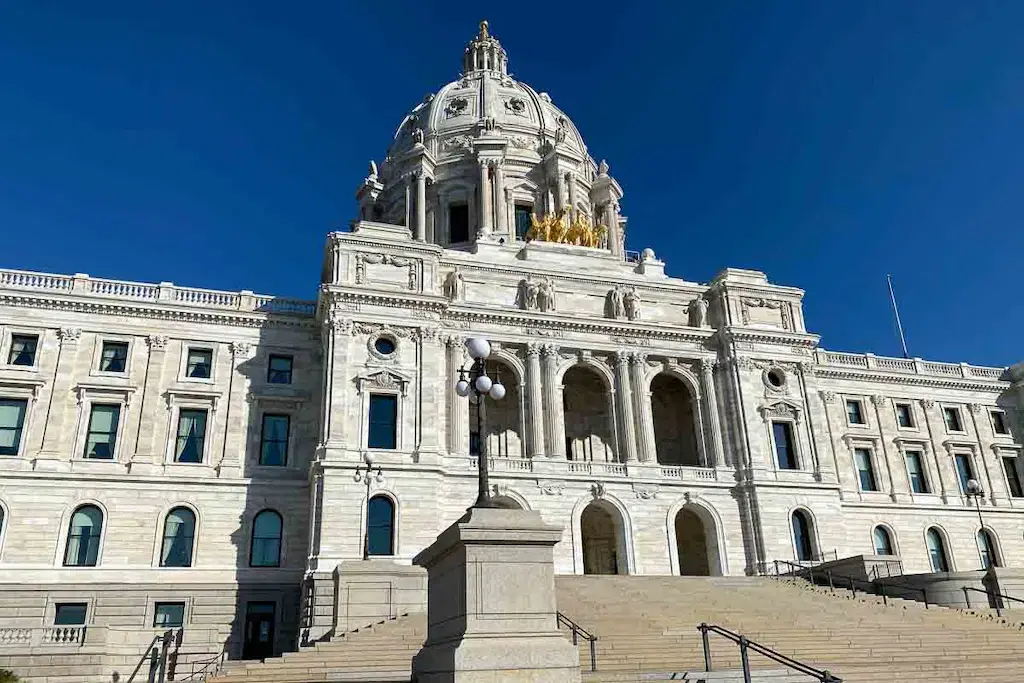
Minnesota lawmakers have advanced Senate File 4511 (SF 4511) in the state Senate. This move is decisively aimed to clamp down on prediction markets.
SF 4511 aims to significantly restrict, or effectively ban, these platforms across the North Star State. Lawmakers argue the measure will close regulatory gaps and protect consumers.
Minnesota Lawmakers Push Forward SF 4511
Minnesota legislators advanced SF 4511 after growing concerns about unregulated betting-like platforms. These platforms allow users to wager on real-world outcomes. However, they often operate outside traditional Minnesota gambling laws. As a result, lawmakers see them as a loophole.
Supporters argue prediction markets resemble betting products offered by US online sportsbooks. However, they lack the same oversight and consumer protections. Therefore, legislators want to bring them under existing gambling frameworks.
Moreover, the bill reflects bipartisan concern. Lawmakers worry about market integrity, consumer risk, and ethical issues. Notably, outrage intensified over markets tied to catastrophic events.
These included contracts related to mass shootings and natural disasters. This "tragedy clause" helped galvanize support across party lines.
Key Tenets of SF 4511
SF 4511 introduces clear definitions for prediction market activities. It classifies many event-based contracts as illegal gambling. These include wagers on sports, elections, global developments, and catastrophic events.
Furthermore, the bill targets platform operators and facilitators. It does not focus solely on individual users. This approach aims to cut off access at the source.
The legislation also restricts advertising and promotion of prediction markets. Consequently, companies would face barriers when trying to reach Minnesota residents.
In addition, lawmakers want to eliminate ambiguity. They believe prediction markets currently exploit unclear legal definitions. Therefore, SF 4511 establishes firm boundaries.
Felony Classification and Enforcement Proposals
A key feature of SF 4511 is its strict enforcement framework. The bill proposes classifying certain violations as felony offenses. This marks a significant escalation in regulatory pressure.
Under the proposal, operating or facilitating a prediction market could lead to severe penalties. These penalties may include substantial fines and potential prison time.
Importantly, the felony classification is slated to take effect on August 1, 2026, if the bill passes this session. This creates a narrow compliance window. Companies must either exit Minnesota or pursue legal challenges before that deadline.
Lawmakers believe harsh consequences will deter companies from entering the state. At the same time, the measure signals a zero-tolerance stance.
Additionally, regulators would gain clearer authority to investigate and enforce violations. This could strengthen Minnesota's ability to police emerging gambling-like products.
Broader Context in the US Gambling Landscape
Minnesota has historically taken a cautious approach to gambling expansion. The state allows tribal casinos and limited wagering options. However, it has not fully embraced US online sportsbooks.
This cautious stance shapes the push against prediction markets. Lawmakers want to maintain control over Minnesota gambling activities. They also aim to protect existing regulatory structures.
Across the United States, prediction markets face increasing scrutiny. Federal and state authorities continue debating jurisdiction. Some argue these platforms fall under financial regulation. Others insist they function as gambling.
Therefore, Minnesota's move reflects a broader national trend. States are seeking clarity and control in a rapidly evolving market.
Next Steps for SF 4511
SF 4511 has cleared key Senate hurdles. However, it must still pass a full Senate vote. After that, the House must approve a companion measure.
If both chambers agree, the bill will head to the governor's desk. Only then can it become law.
In the meantime, industry stakeholders will likely push back. Legal challenges could also emerge if the bill passes.
For now, Minnesota lawmakers remain focused on tightening regulations. Their goal is clear. They want to eliminate gray areas and assert control over prediction markets.
Betting Industry News Betting Industry News Betting Industry News Betting Industry NewsMore Industry News
MD Sports Betting: Sept Handle $652M, Revenue Down 20%

New Brunswick Eyeing Private iGaming Market

Sen. Ted Cruz Bill Targets Federal Sports Prediction Markets

New Jersey Mandates Data-Driven Gambling Checks

Jonathan Rodriguez
Jonathan is an avid basketball fan, and is often looking forward to the next upcoming NBA season when not checking players' stats during games. He also likes to keep his ears on the ground for the latest rumblings in the online casino industry.
This site contains commercial content. We may be compensated for the links provided on this page. The content on this page is for informational purposes only. Betting News makes no representation or warranty as to the accuracy of the information given or the outcome of any game or event.